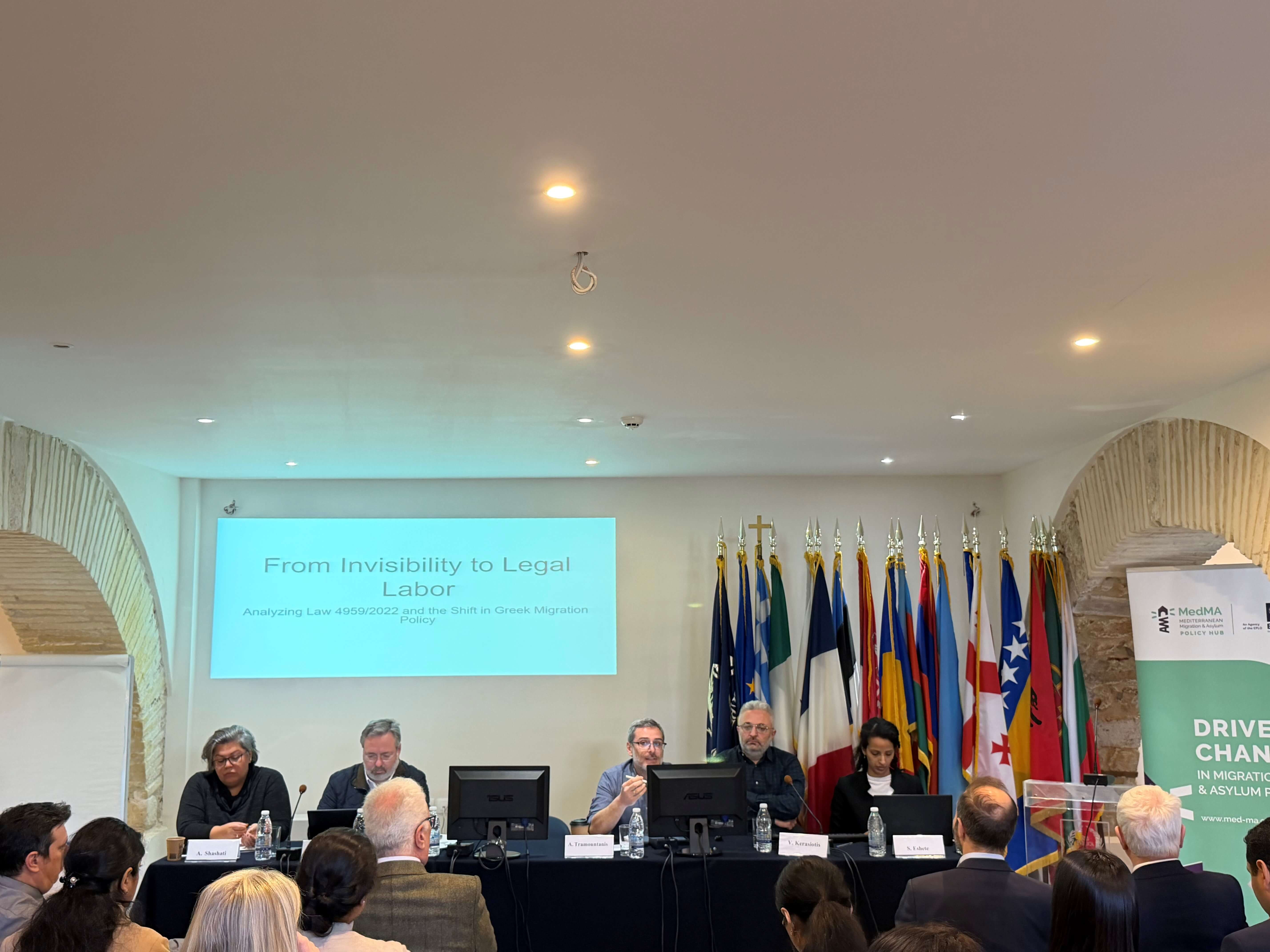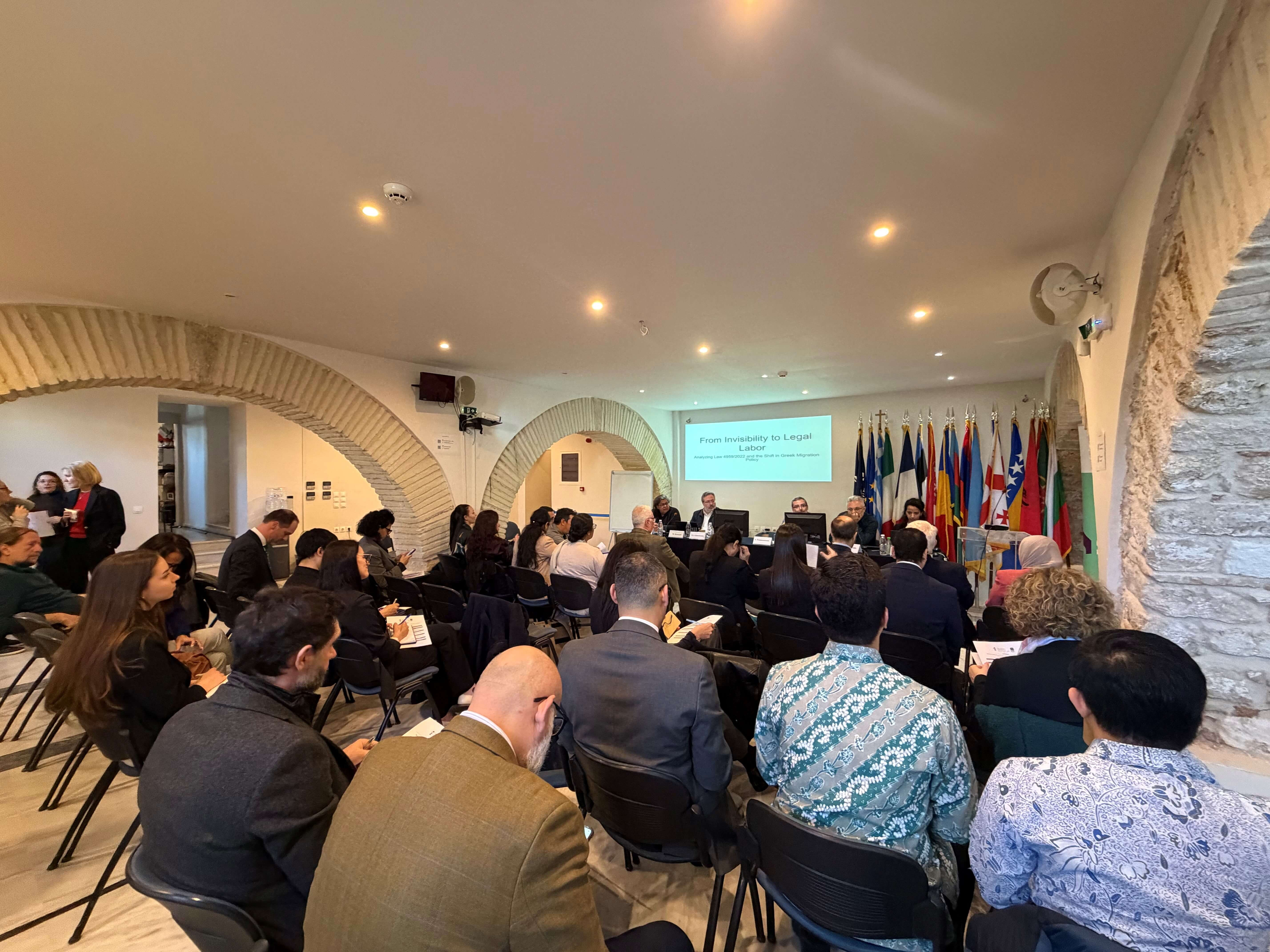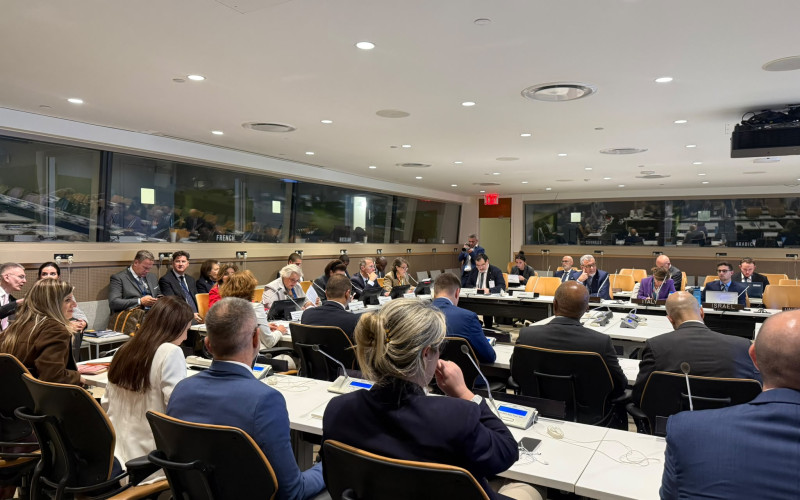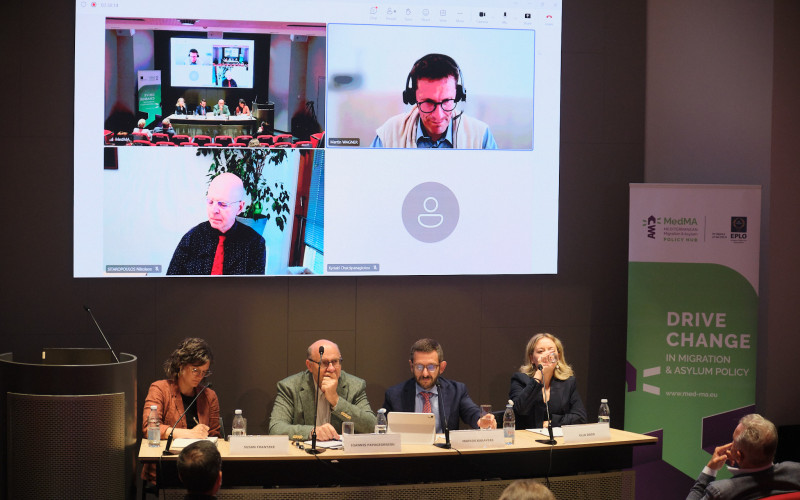
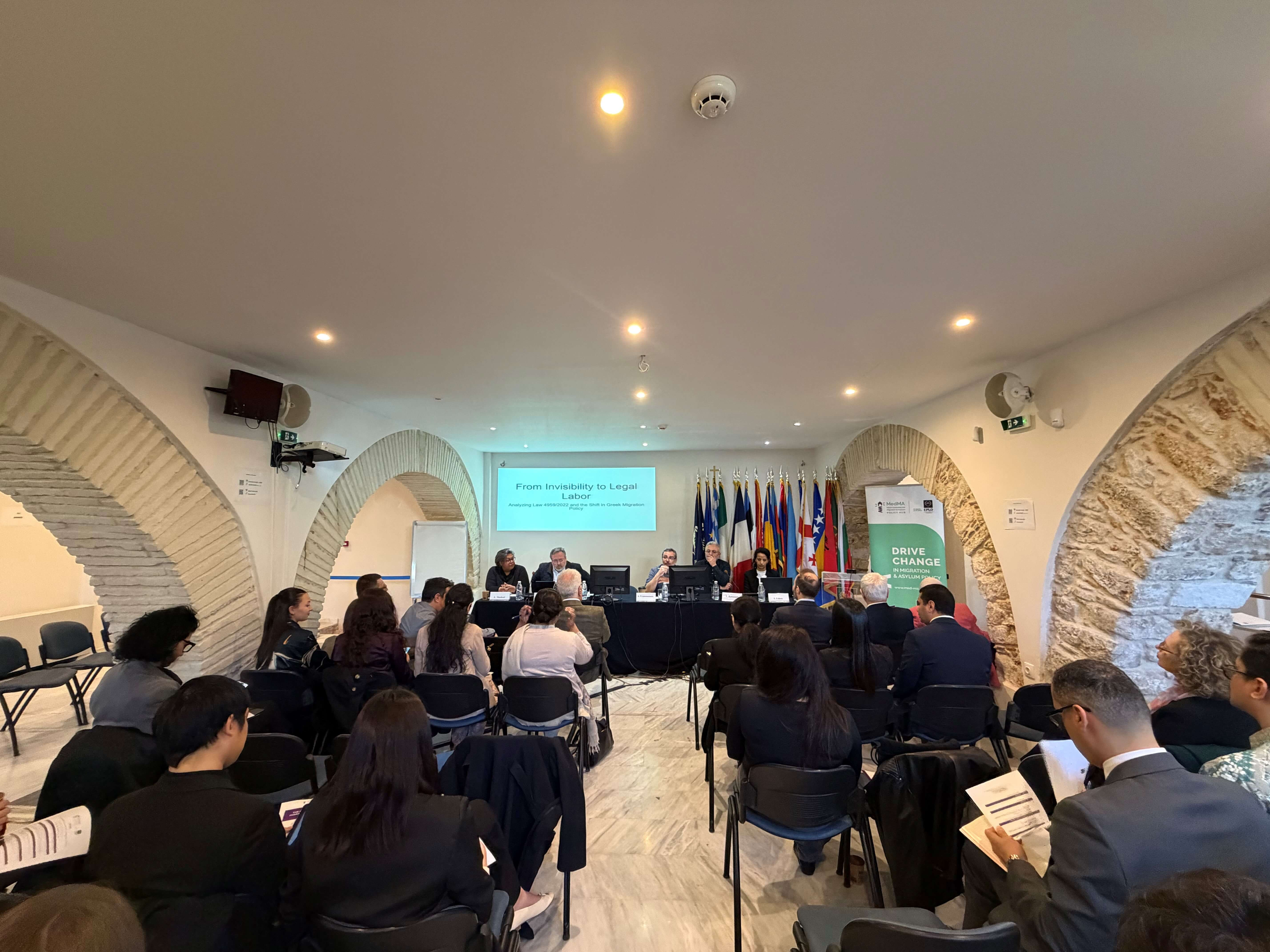
On 10 March 2026, the Mediterranean Migration and Asylum Policy Hub (MedMA) of the European Public Law Organization (EPLO) hosted a policy discussion in Athens on Greece’s bilateral migration agreements with Egypt and Bangladesh. The event brought together policymakers, researchers, civil society representatives and members of the diplomatic community, including ambassadors and representatives of several embassies based in Athens.
Opening Remarks
The event opened with welcoming remarks by Markos Karavias, Director of the Mediterranean Migration and Asylum Policy Hub (MedMA) at EPLO, Patroklos Georgiadis (EPLO) and Athanasios Vitsentzatos, General Director of Migration Policy at the Ministry of Migration and Asylum.
In their introductory remarks, the speakers highlighted the growing relevance of bilateral labour mobility agreements as policy tools that can help address labour shortages while also creating more structured and transparent pathways for migration.
Presentation of Research and Policy Developments
The event featured the presentation of two reports examining recent developments in Greece’s bilateral labour migration cooperation.
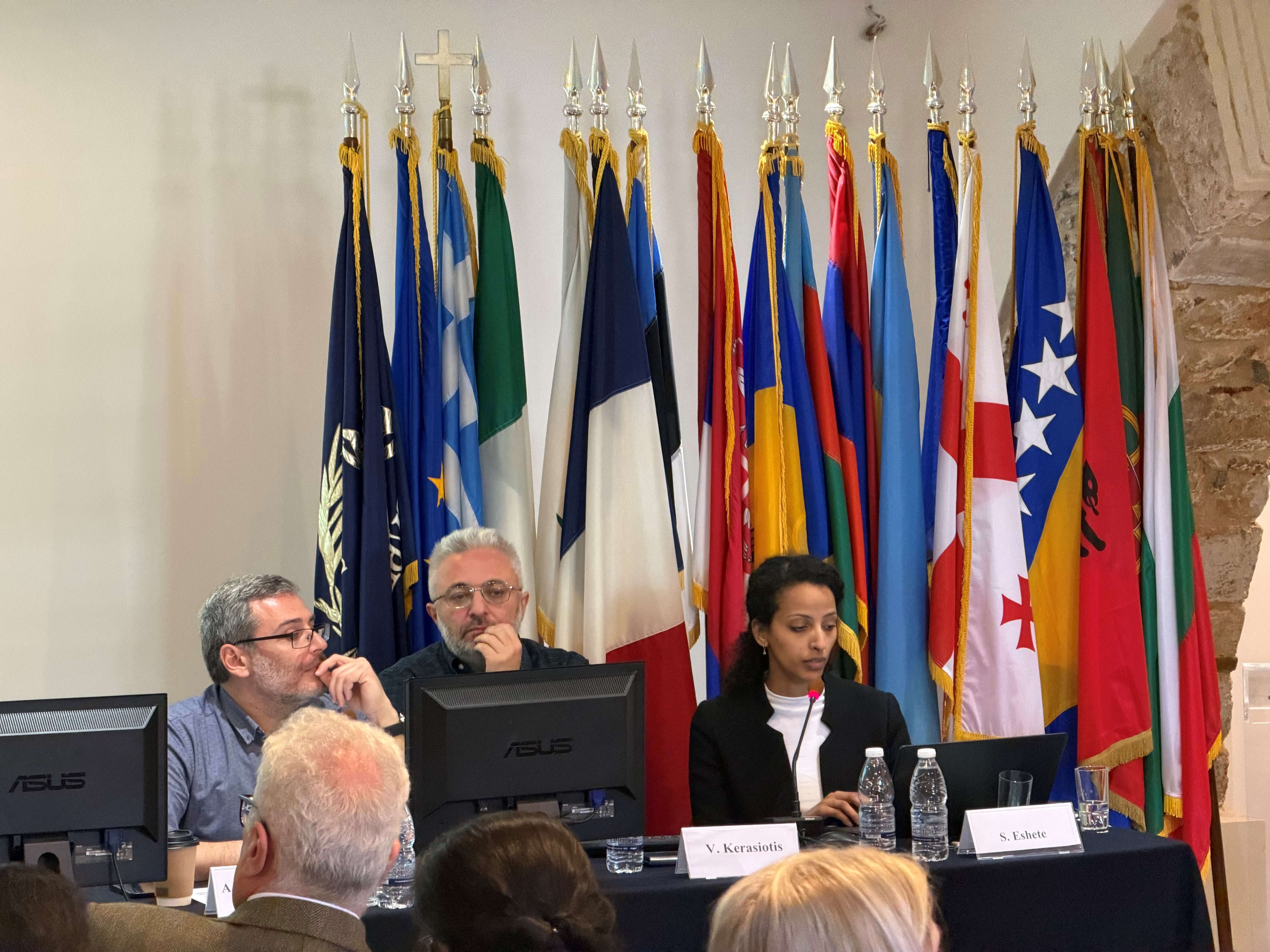
Vassilis Kerasiotis presented the findings of the report on the Greece–Bangladesh framework, discussing recent developments in Greece’s labour migration policy and the Memorandum of Understanding between Greece and Bangladesh. The presentation focused on how the agreement seeks to facilitate legal labour mobility while responding to labour shortages in sectors such as agriculture and tourism.
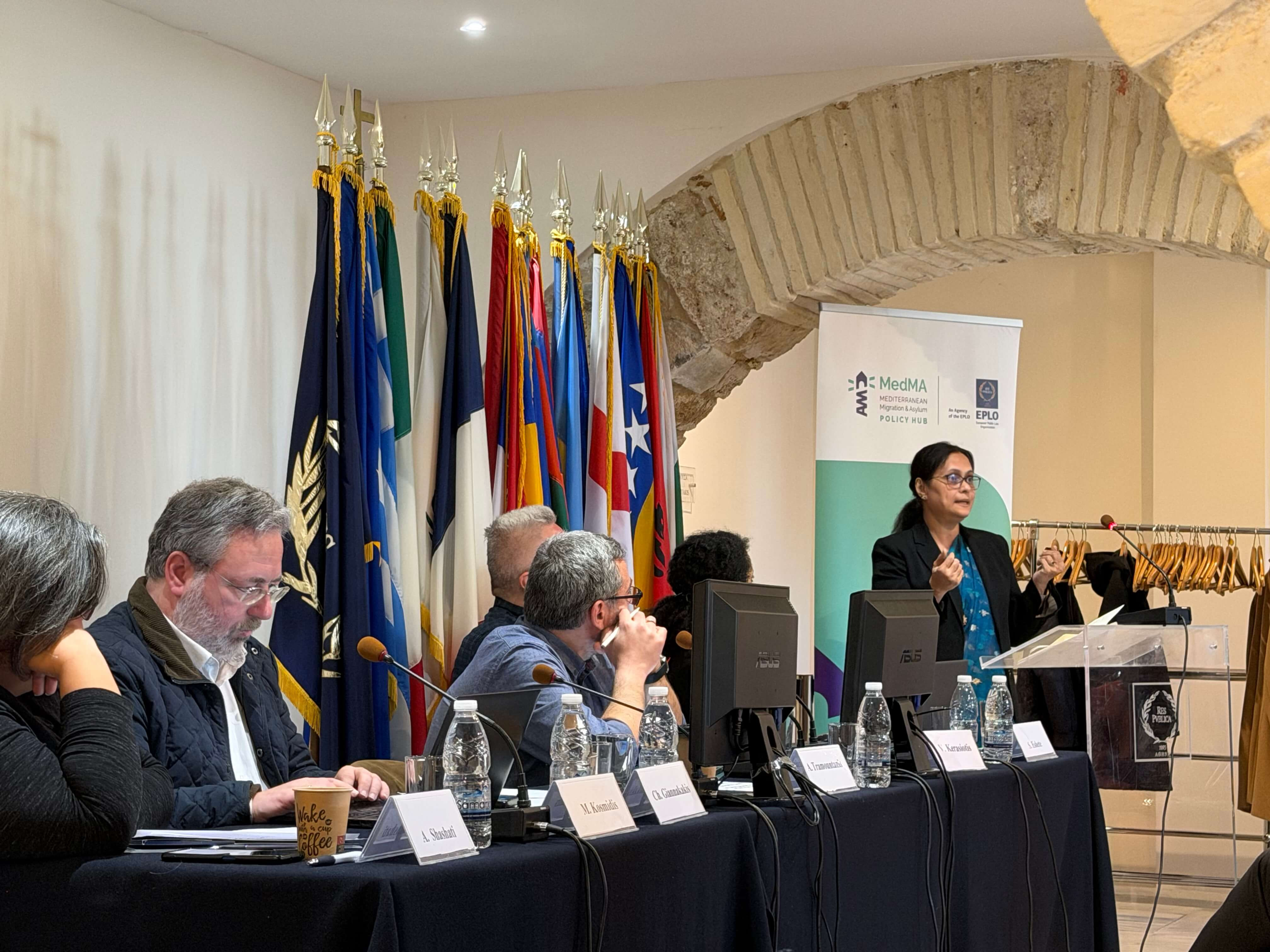
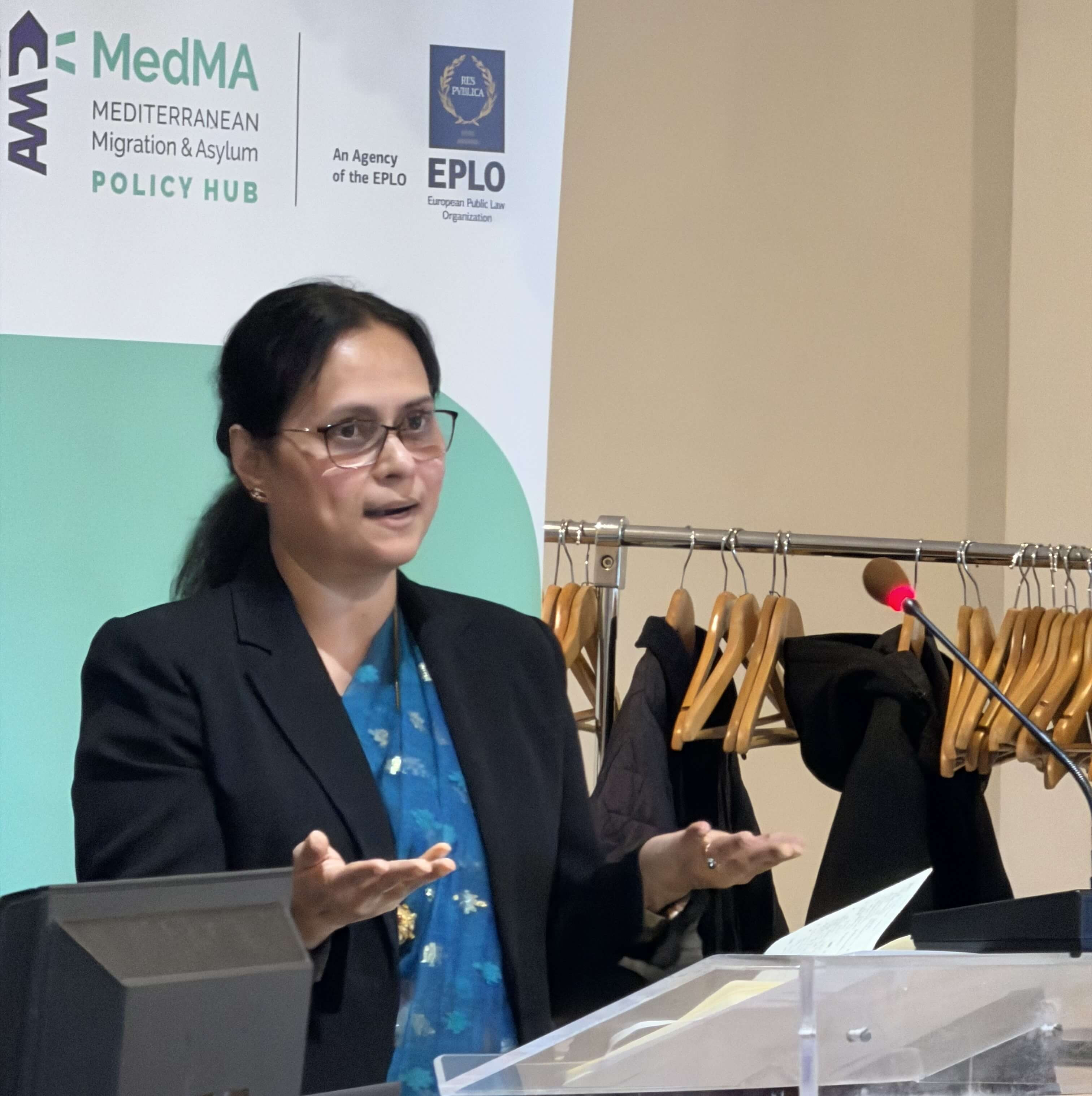
Following Mr Kerasiotis’ presentation, H.E. Ambassador Mrs. Nahida Shumona Rahman, Ambassador of Bangladesh to Greece, delivered remarks reflecting on the importance of bilateral cooperation between the two countries and its broader relevance for labour mobility and migration governance.
Sebene Eshete, Senior Policy Officer at MedMA, then presented the findings of the report examining the Greece–Egypt bilateral agreement on seasonal agricultural workers, highlighting key policy developments, implementation challenges and the broader implications of the framework.
The analysis also drew on wider research exploring the transition “from invisibility to legal labor”, focusing on migrant workers who remain in irregular or undeclared employment and the role that structured migration schemes may play in facilitating access to formal labour markets and improving labour protections.
Panel Discussion
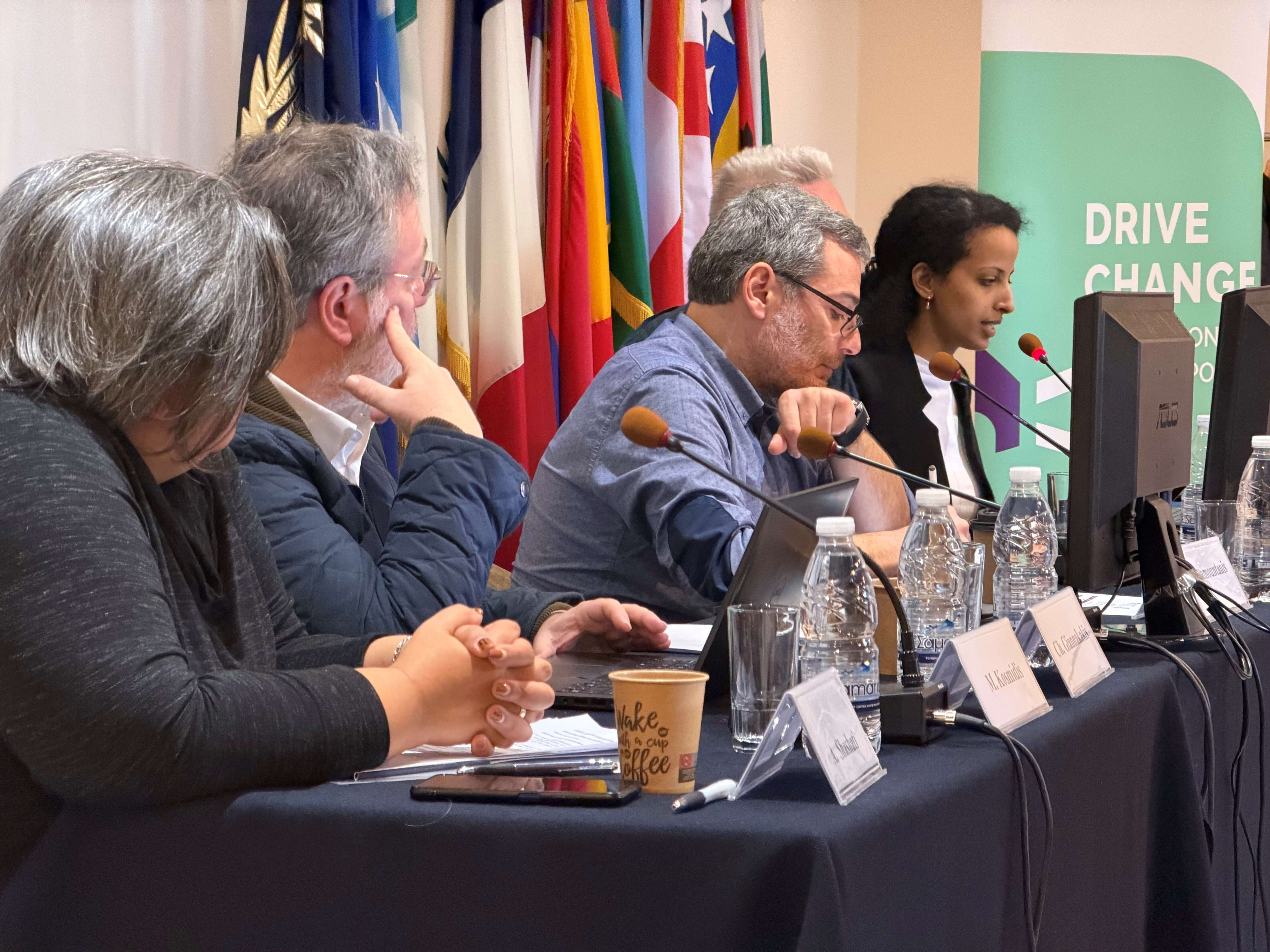
The discussion continued with a panel moderated by Angelo Tramountanis (EKKE), featuring Christos Giannakakis, Vice President of ETHEAS, Michalis Kosmidis, Director of Migration Policy at the Ministry of Migration and Asylum and Adla Shashati, Director of the Greek Forum of Migrants.
The discussion aimed to bring together perspectives from the different stakeholders affected by these policies, including public authorities, employers and labour market actors, migrant and migrant community representatives, researchers and members of the diplomatic community. A key theme throughout the conversation was the importance of creating functioning migration pathways and understanding what makes bilateral labour mobility arrangements work in practice, both for migrants and for other stakeholders, within the broader context of labour mobility and migration governance.
The panel explored both the opportunities and the challenges associated with bilateral labour migration schemes, including recruitment procedures, protections for migrant workers and the broader governance of labour mobility. Participants also discussed how bilateral agreements interact with wider questions of migration governance, such as administrative capacity, predictability of procedures and the effective implementation of safeguards.Finally, a further point was raised: labour mobility instruments can be most sustainable when complemented by measures that support regular status, family stability, and participation in society. This reinforces the case for viewing labour mobility within a broader migration governance framework.
Concluding Discussion
The event concluded with an open exchange with participants, underlining the importance of continued dialogue among policymakers, researchers and stakeholders in shaping labour migration policies that are both effective and rights based.
MedMA thanks all speakers and participants for joining this event and contributing to an informed policy dialogue.
The reports are available to read on MedMA's website