Education Against Organized Crime: Advancing Comprehensive Approaches and Effective Responses
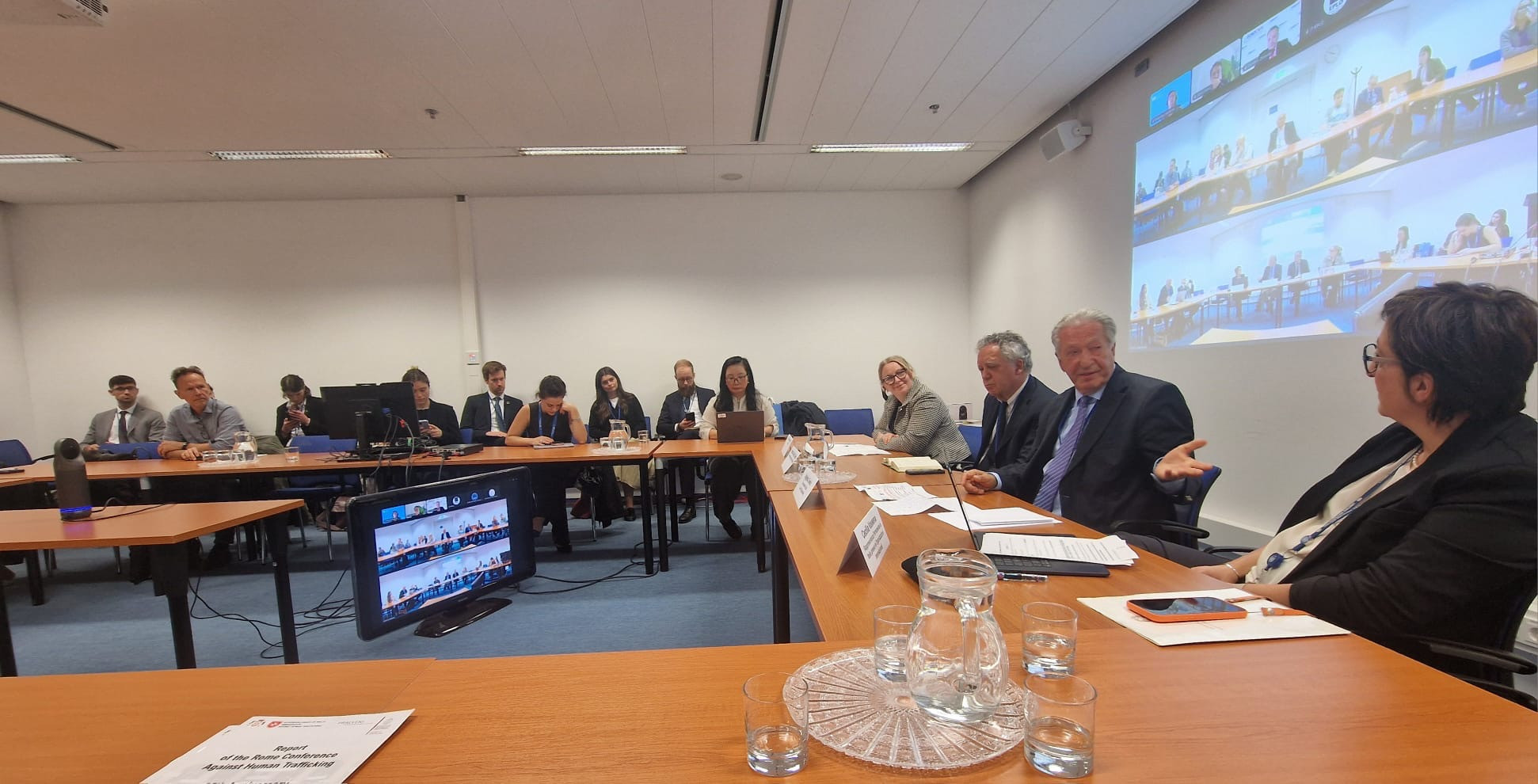
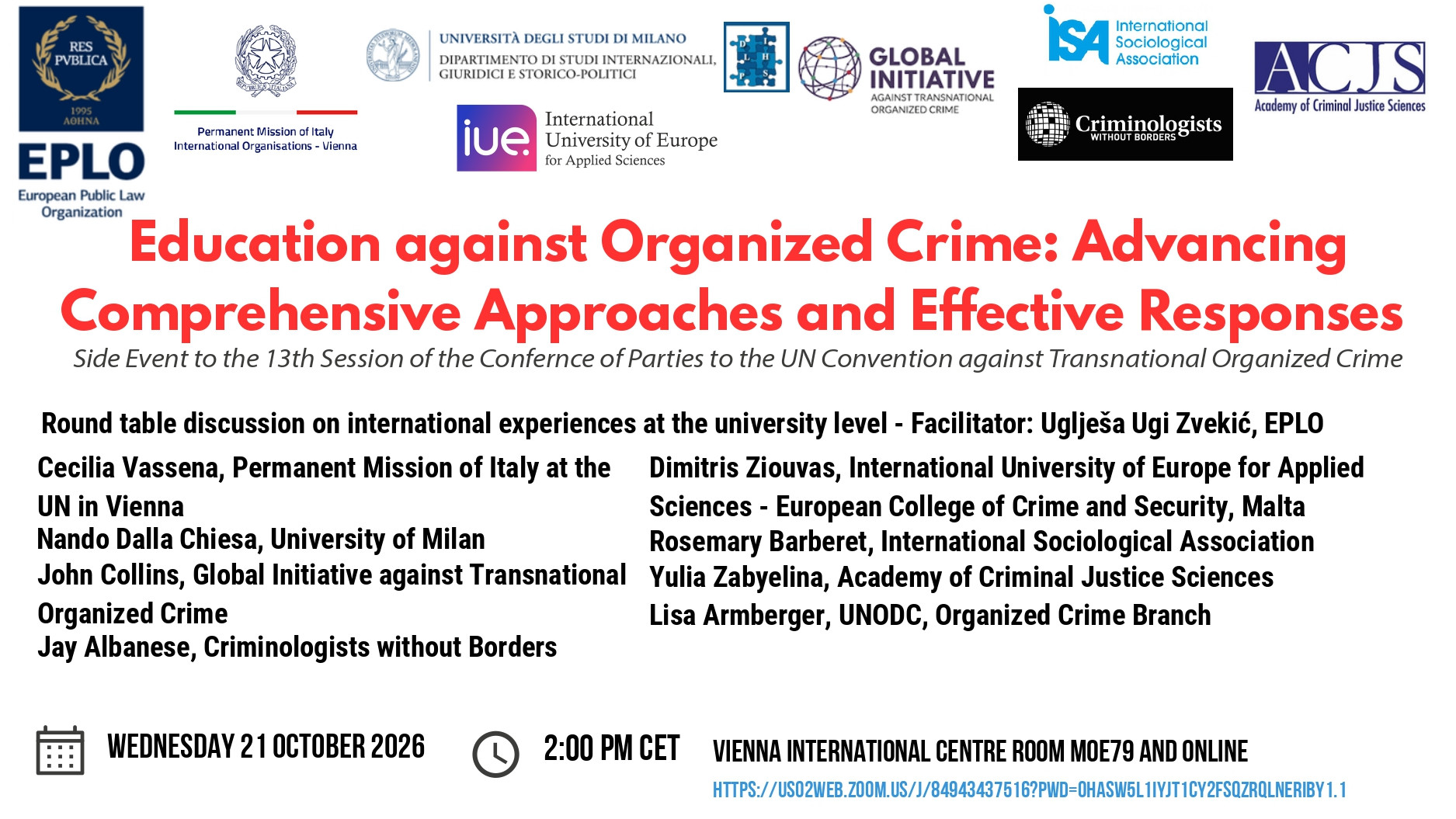
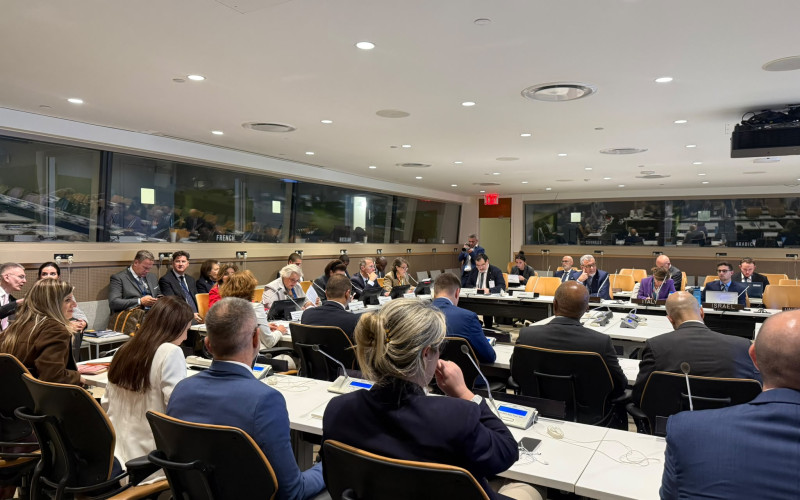
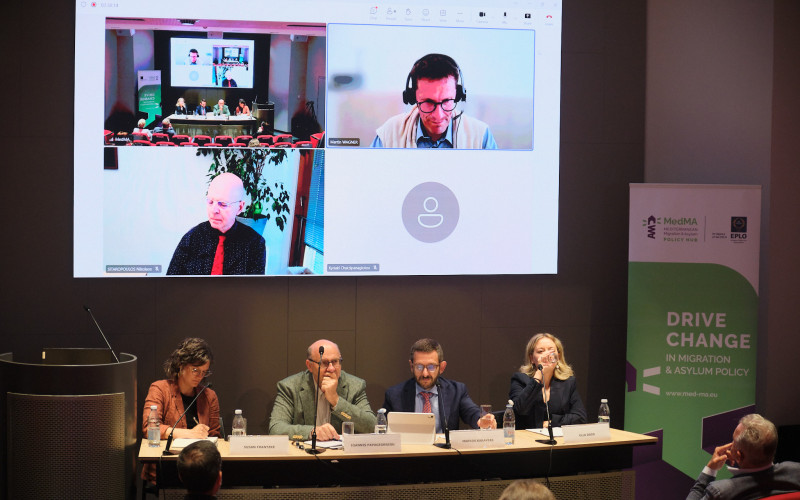
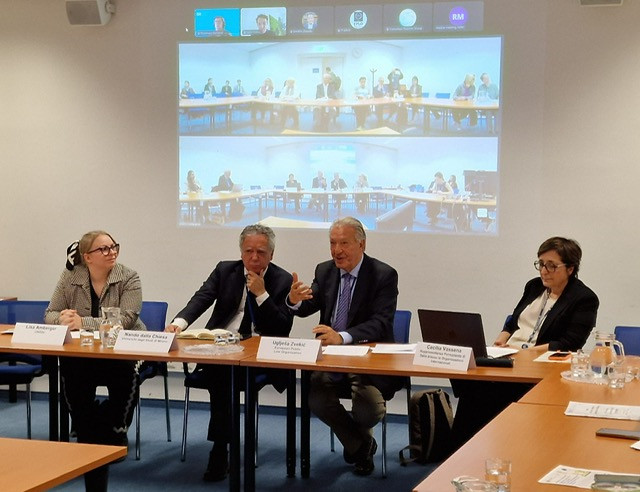
The European Public Law Organization (EPLO) organized a timely side event held in the framework of the 13th Session of the Conference of the Parties to the United Nations Convention against Transnational Organized Crime (UNTOC COP13), highlighting the critical role of education in addressing the evolving challenges posed by organized crime.
Bringing together leading academics, international organizations, policymakers, and practitioners, the event explored how higher education institutions can contribute to strengthening awareness, building expertise, and fostering effective responses to transnational organized crime. Discussions focused on international experiences in developing academic programmes, interdisciplinary approaches, and educational initiatives that equip current and future professionals with the knowledge and skills needed to confront increasingly complex criminal networks.
The roundtable featured distinguished speakers from academia, international organizations, and diplomatic missions, including representatives of the United Nations Office on Drugs and Crime (UNODC), the International Sociological Association, the Global Initiative against Transnational Organized Crime, and leading universities and research institutions. The discussion was facilitated by Uglješa Ugi Zvekić, EPLO's Ambassador to the UN in Vienna.
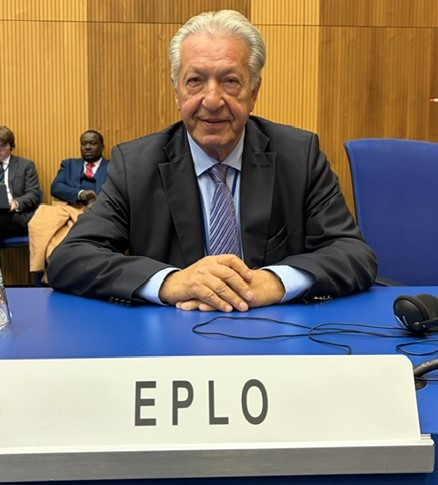
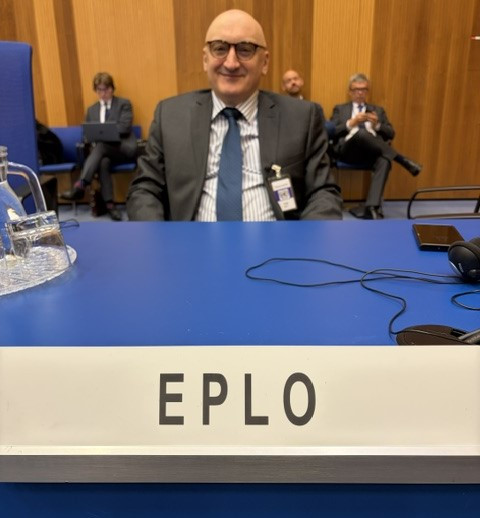
EPLO was actively represented at the 13th Session of the Conference of the Parties to the United Nations Convention against Transnational Organized Crime (UNTOC COP13), contributing to international discussions on emerging challenges in the fight against organized crime and the role of education, research, and capacity-building in strengthening prevention and response mechanisms. Through its participation, EPLO reaffirmed its commitment to supporting multilateral dialogue and advancing initiatives that promote the rule of law, good governance, and international cooperation in addressing transnational threats.