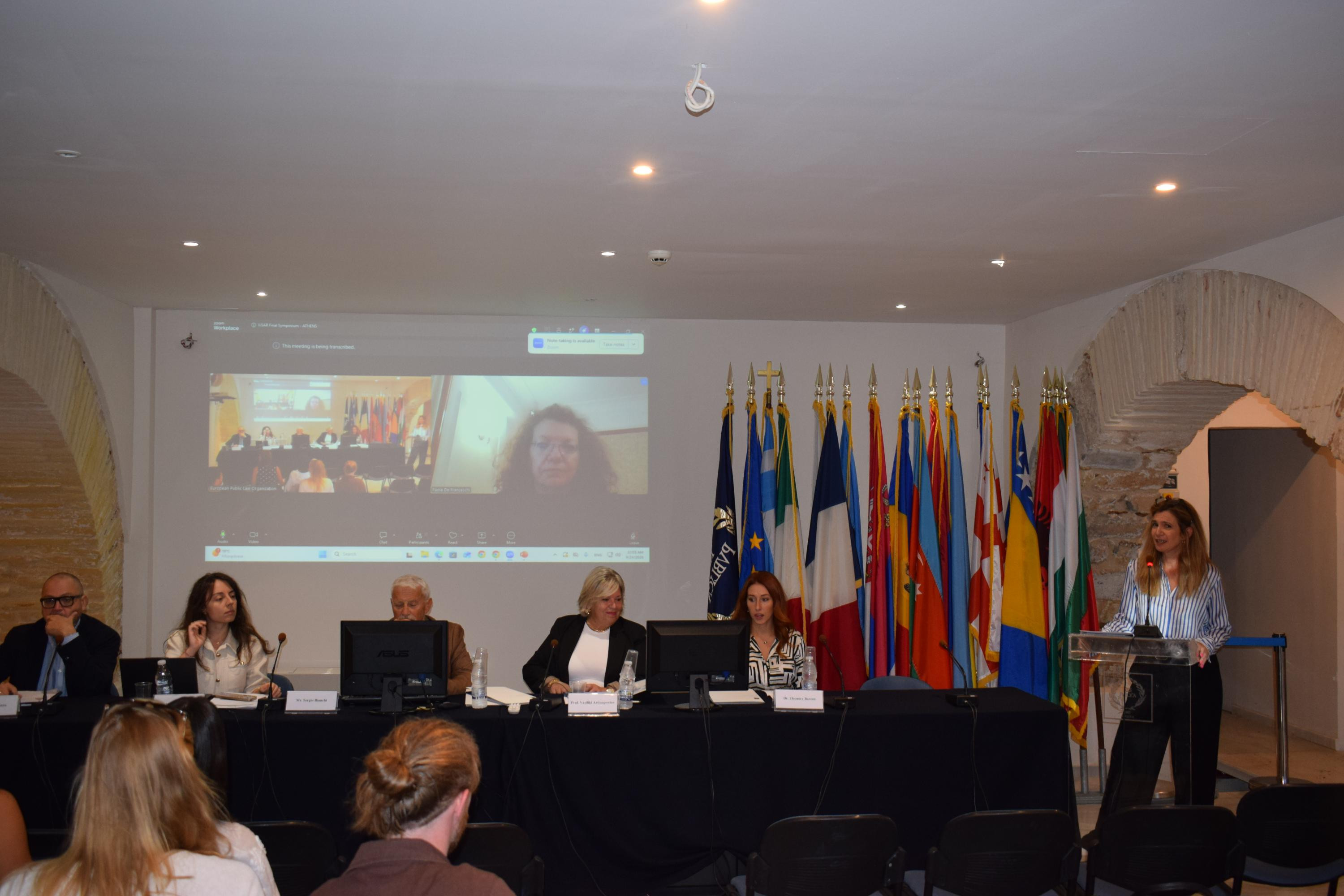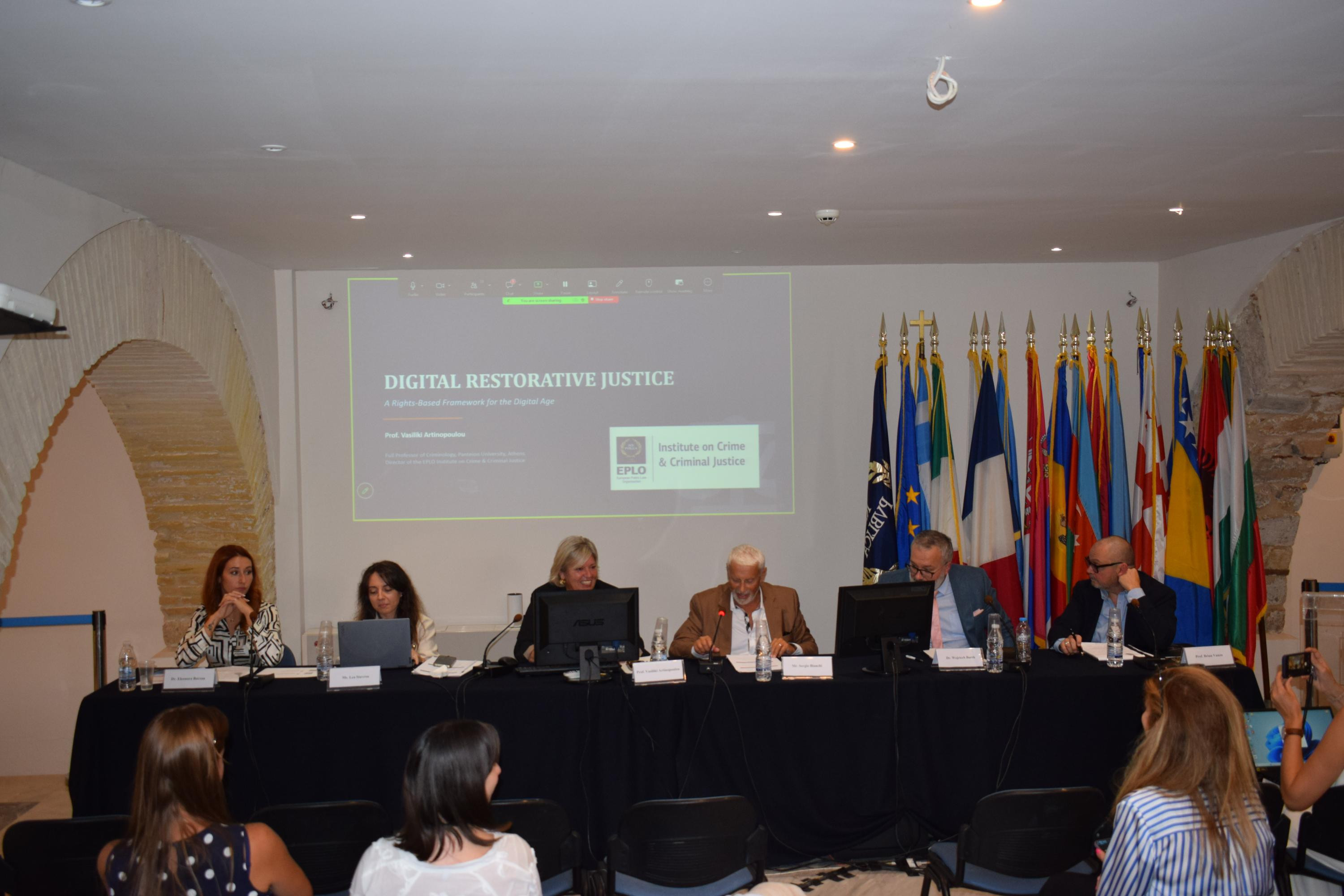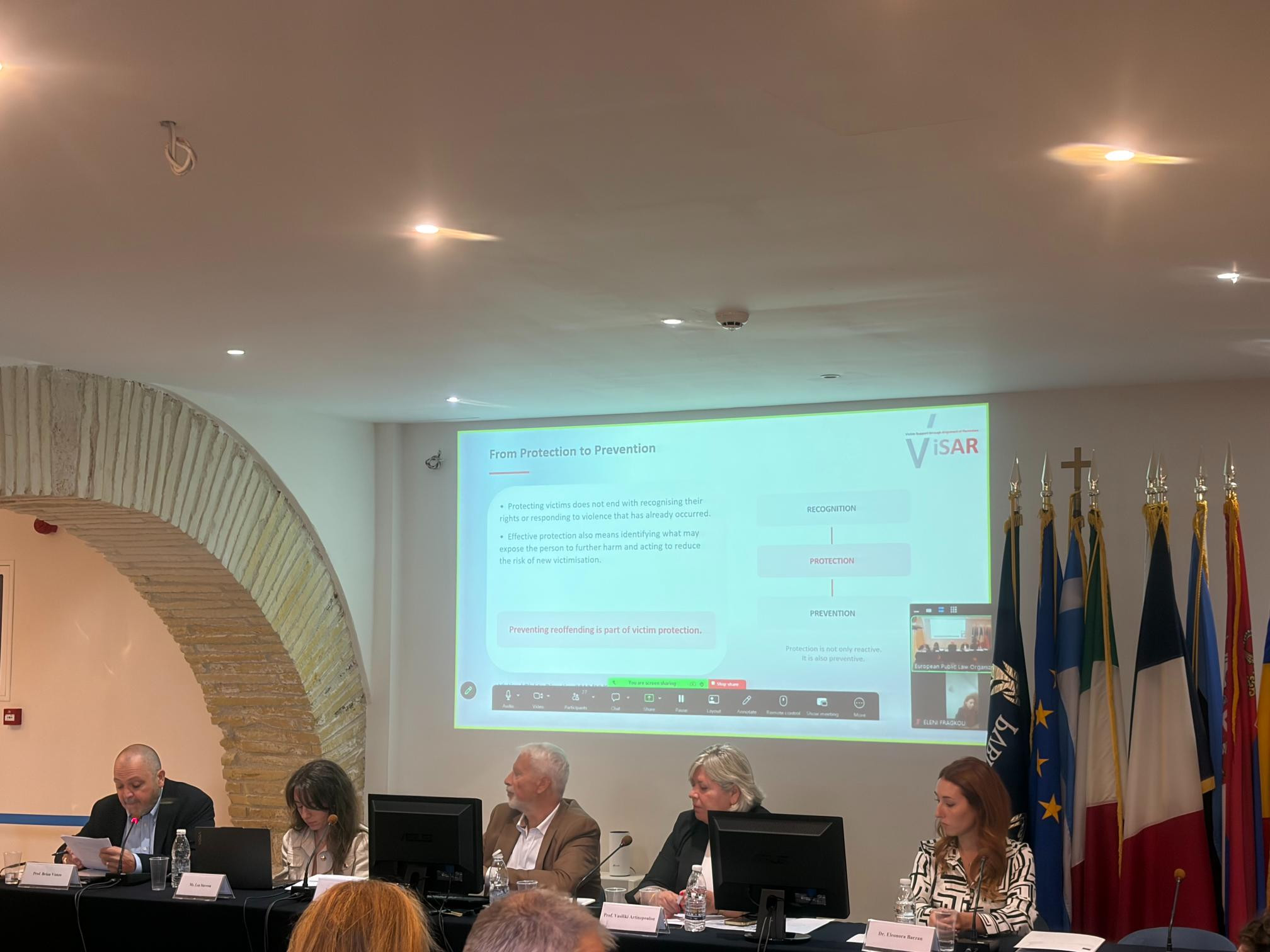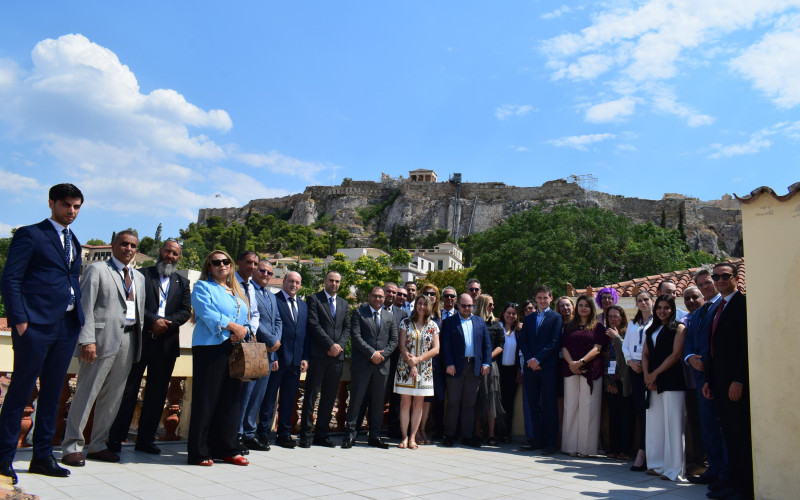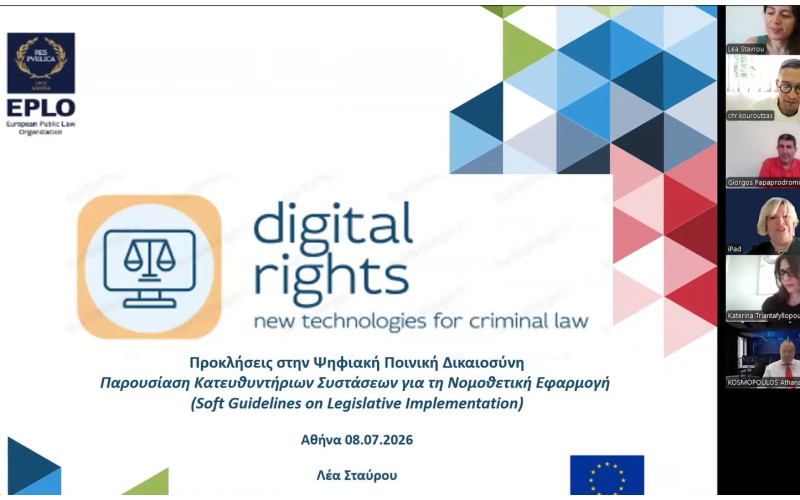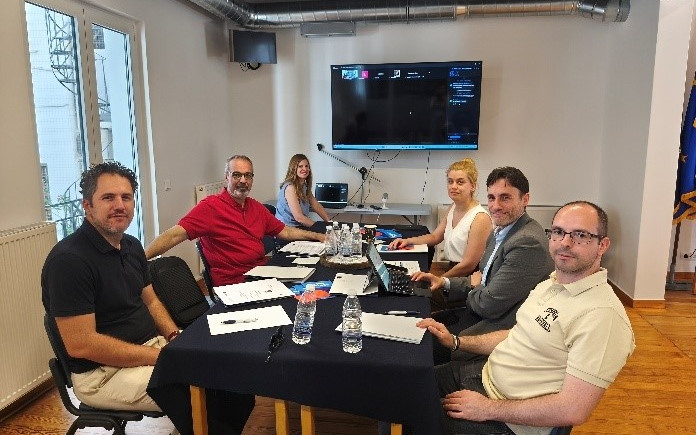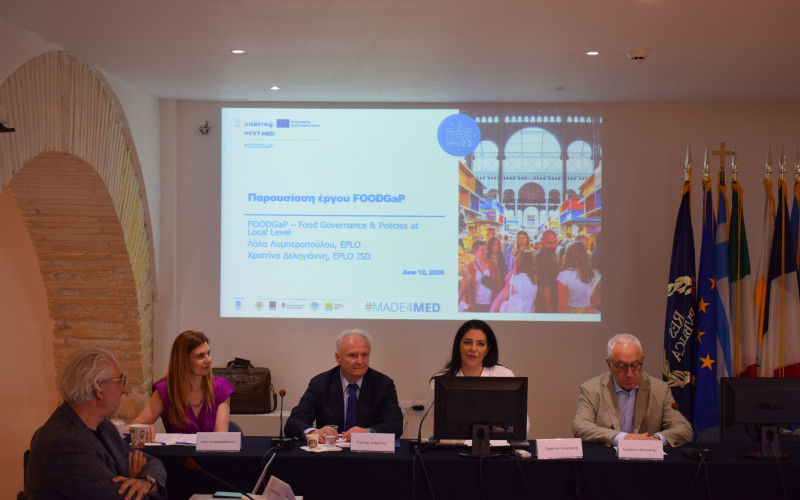
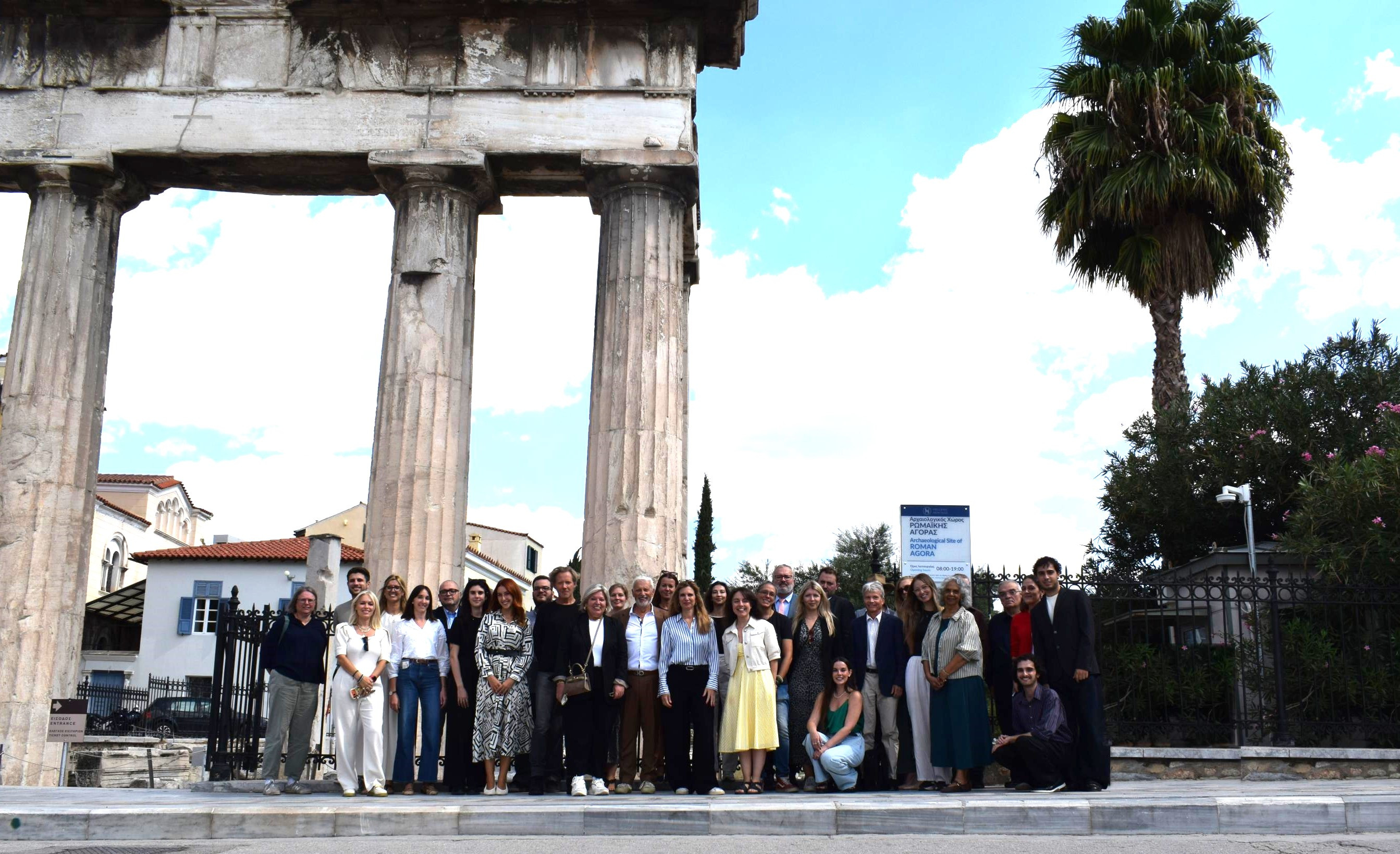
Athens, 24 September 2026 — The ViSAR Final Symposium, “Victims’ Rights in Europe and AI Tools for Strengthening Victims’ Rights,” took place on 24 September 2026 in Athens, bringing together project partners, researchers, practitioners and professionals to present the project’s main results and discuss current and future challenges in the protection of victims’ rights across Europe. The hybrid event was hosted by the European Public Law Organization (EPLO).
The Symposium opened with welcoming remarks by Ms. Lola Lyberopoulou, Director of European and International Projects at EPLO, who welcomed the participants and introduced the day’s discussions.
The first section, coordinated by Prof. Vasiliki Artinopoulou, Director of the Institute for Crime and Criminal Justice of EPLO, focused on victims’ rights in Europe, beginning with an overview of the ViSAR project, its objectives and key outputs.
Prof. Brian Vanzo, Psychoanalyst, President of CUAV “Centro Ares” and Dr. Eleonora Barzan, Clinical and Forensic Psychologist, addressed the challenges of implementing victims’ rights within the European framework, including the Victims’ Rights Directive and the Istanbul Convention.
The discussion continued with the findings and lessons learned from the national Mutual Exchange Learning Events (MELEs). Dr. Konstantinos Panagos, Assistant Professor at the National and Kapodistrian University of Athens and Dr. Beatrice Maccarini, Criminologist and Restorative Justice Practitioner at Agenfor International Foundation, presented comparative reflections from the national exchanges. The ViSAR mutual-learning process brought together 787 participants through 12 events across five host countries.
Ms. Linda Millington, Lead Practitioner at the Kent and Medway Restorative Justice Service, then addressed victim support, restorative justice and domestic violence, bringing a practical perspective to the discussion on victims’ protection and access to appropriate support.
The second section, coordinated by Sergio Bianchi (Agenfor International), focused on AI tools and digital solutions for strengthening victims’ rights. Mr. Bianchi presented the ViSAR Digital Platform, including its AI-supported tools and avatar system, while Ms. Stefanie Knaab, from Gewaltfrei in die Zukunft, presented the Violence Prevention App and its potential to support women affected by domestic violence.
The event concluded with a round table on future perspectives for victim support, training and AI-based tools, featuring Prof. Vasiliki Artinopoulou, Prof. Brian Vanzo, Dr. Eleonora Barzan and
Dr. Wojciech Burek, Vice Director for Academic Affairs and Assistant Professor at the Jagiellonian University Institute of European Studies.
Across the discussions, a common message emerged: technology should serve victims’ needs rather than become an objective in itself. Digital and AI-supported tools can create new opportunities for access to information, support and justice, but their use must remain grounded in human rights, dignity, privacy, accessibility and meaningful human oversight.
The Symposium concluded with remarks by Ms. Lea Stavrou, Senior Program Officer at EPLO, focusing on the main conclusions, sustainability and dissemination of the project’s results.