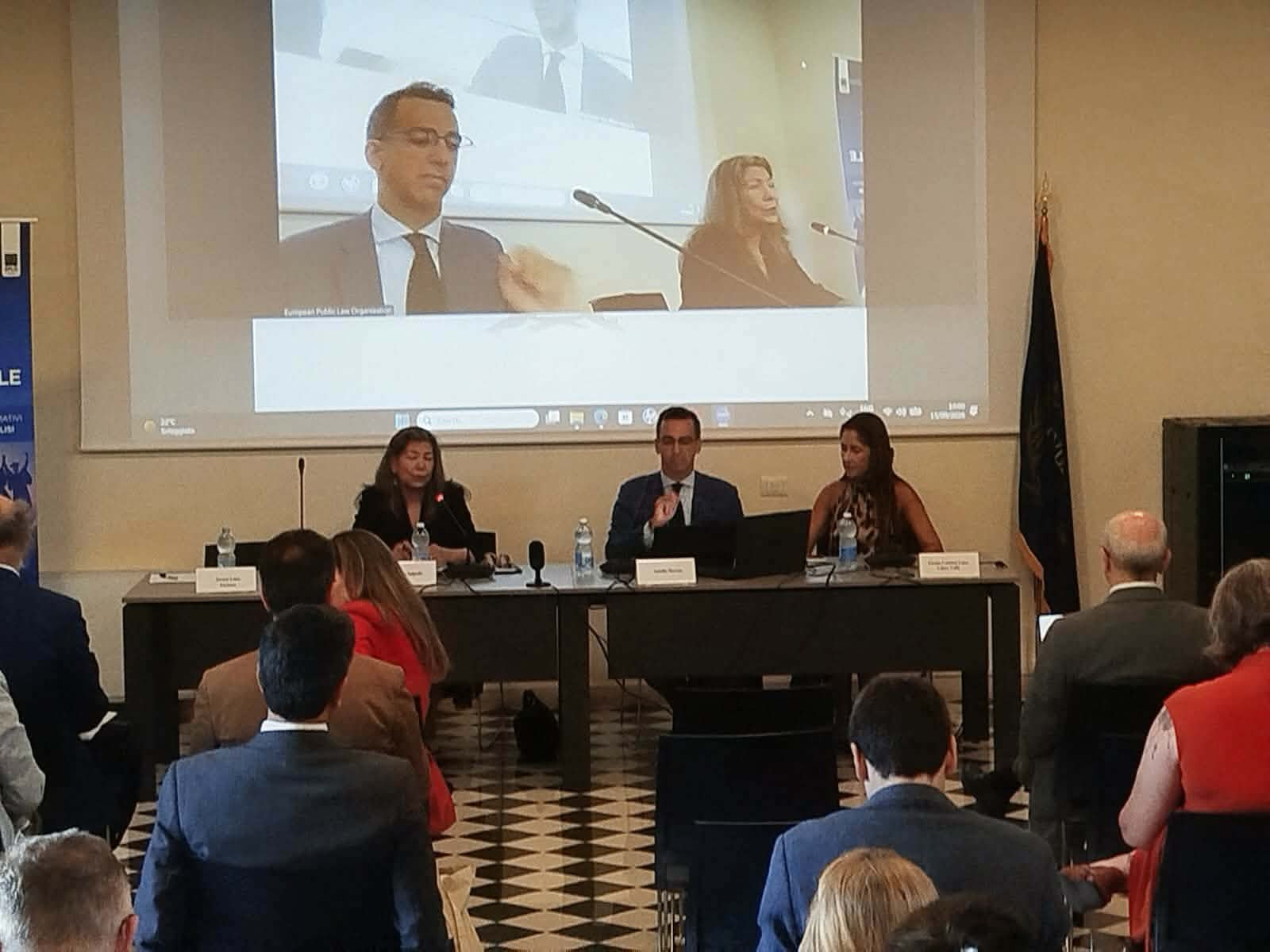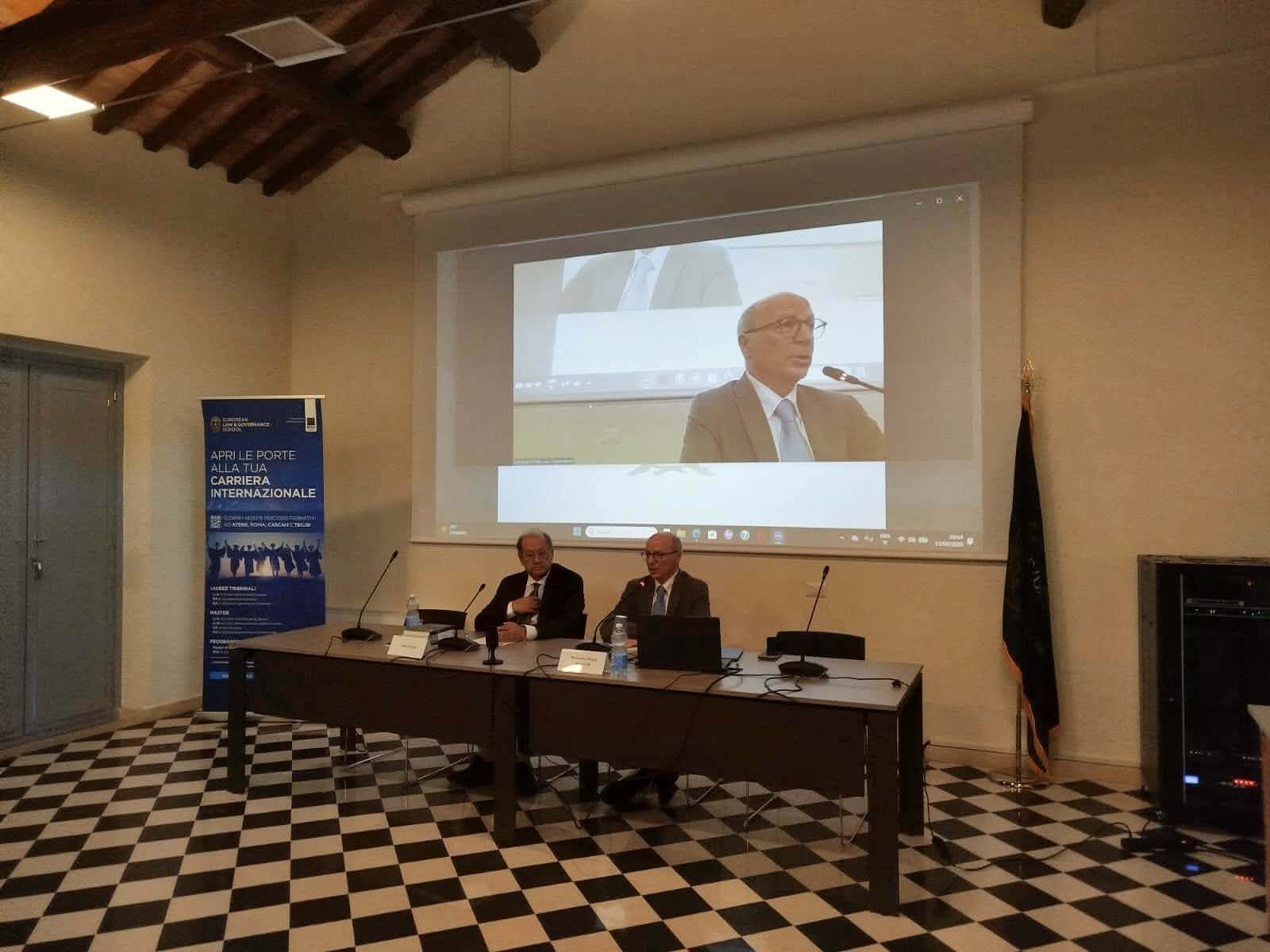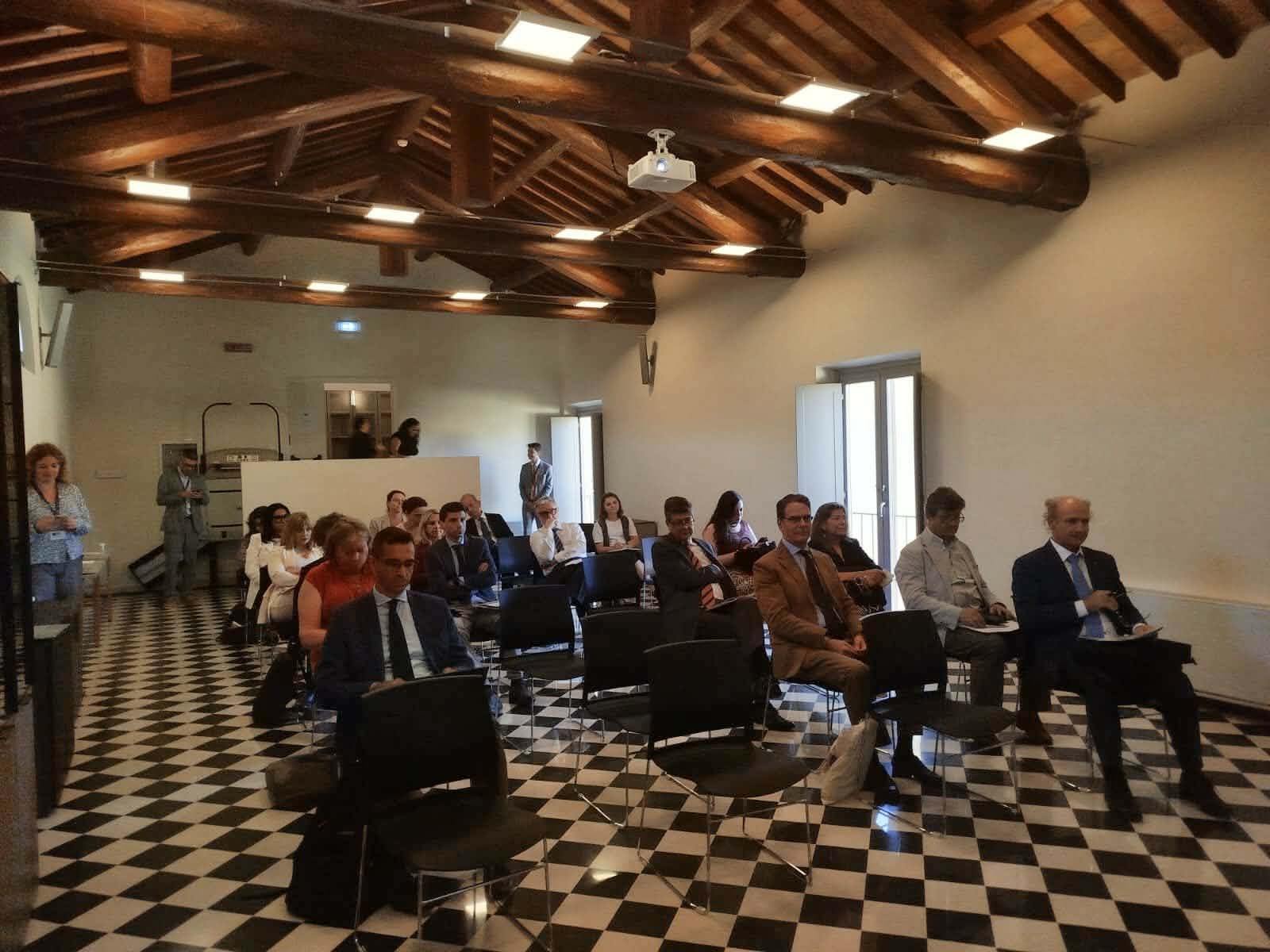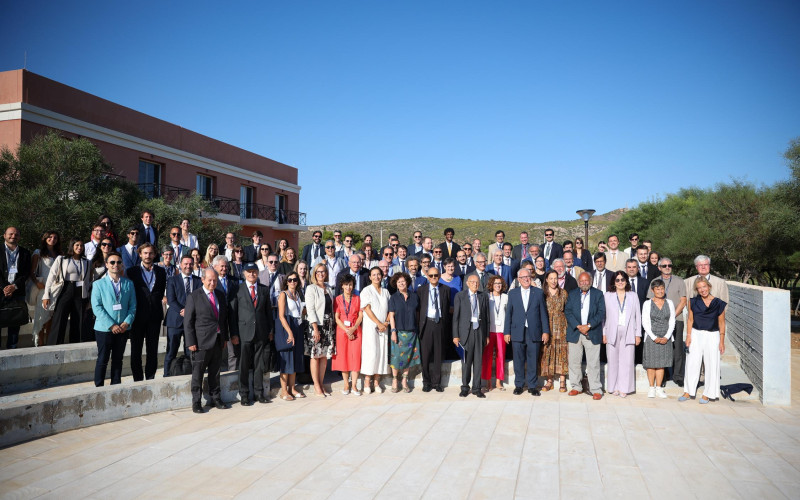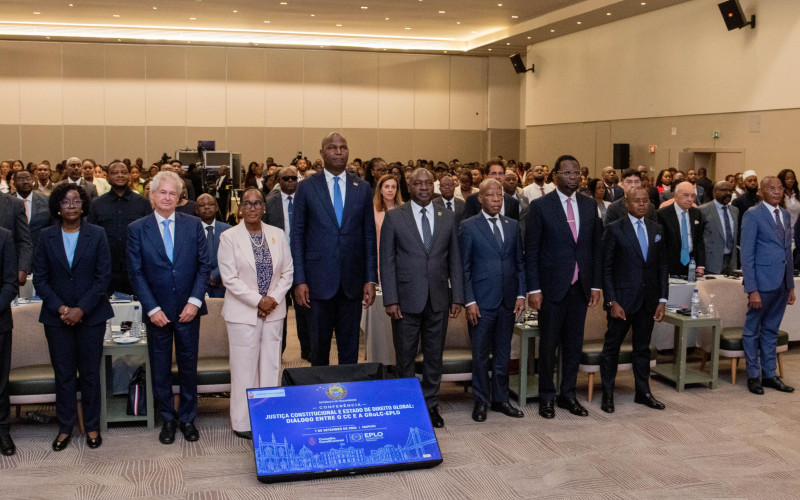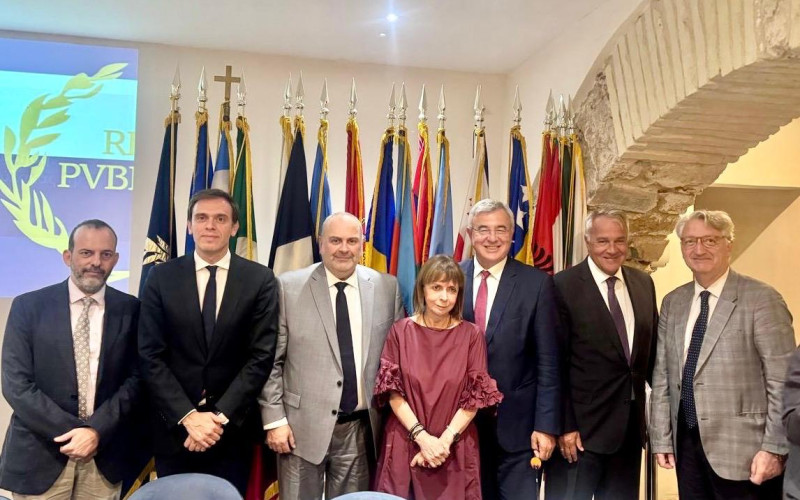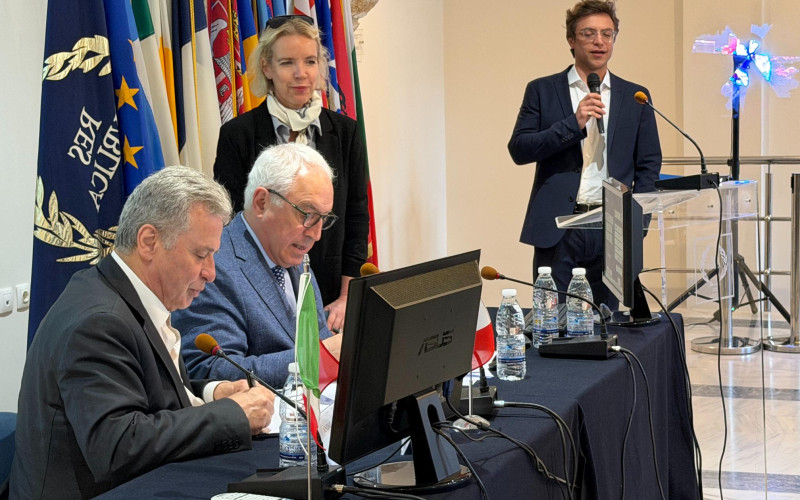
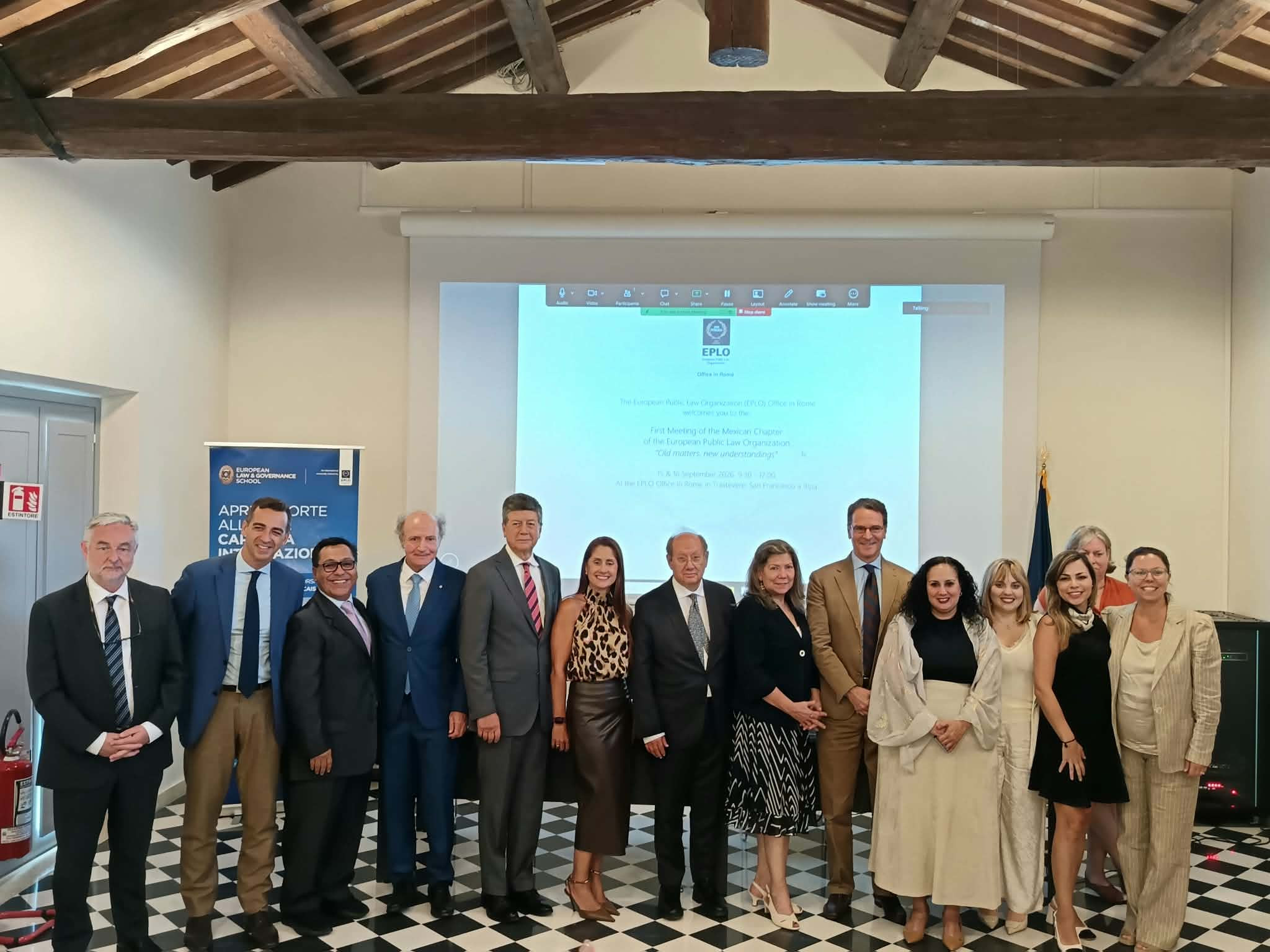
The first meeting of the Mexican Chapter of the European Public Law Organization (EPLO) concluded on 16 September 2026 at the EPLO Office in Rome, bringing together distinguished academics, legal scholars, judges, diplomats, and public law experts from Europe and Latin America for two days of substantive dialogue under the theme“Old Matters, New Understandings.”
The event served as an important platform for strengthening academic and institutional cooperation between Europe and Mexico while fostering interdisciplinary discussion on some of the most pressing challenges facing contemporary public law. Opening remarks were delivered by Prof. Bernardo Giorgio Mattarella, Director of the EPLO Office in Rome and Professor at LUISS University, and Prof. Jorge Vargas of the Asociación Mexicana de Derecho Administrativo and the Universidad Nacional Autónoma de México.
Over the course of six thematic sessions, participants explored a wide range of issues at the intersection of law, governance, and public policy. Discussions addressed migration as both a human right and a global economic reality, digital public administration and democratic risks, cybersecurity and national security, the construction of judicial power, constitutional reform processes, and developments in migration law.
The second day focused on contemporary challenges including judicial independence, the right to education, climate change and environmental governance, comparative human rights systems in Europe and the Americas, digital rights and social media responsibility, the right to good administration, electoral integrity, climate litigation, state modernization in Latin America, and the implications of algorithmic decision-making for fundamental rights.
The meeting featured contributions from leading institutions across Mexico, Spain, Italy, France, Poland, Brazil, Chile, Curaçao, and Ecuador, highlighting the growing international reach of the EPLO network and the importance of comparative public law in addressing global challenges. Among the speakers were members of supreme courts, university professors, public administration experts, and senior diplomats, whose interventions enriched the debate and promoted the exchange of diverse legal perspectives.
The conference concluded with remarks by Prof. Jorge Vargas, who reflected on the significance of the discussions and the future development of the Mexican Chapter within the broader framework of the EPLO. The event closed with a musical performance by distinguished violinist Diana Tishchenko, offering participants a fitting conclusion to two days of academic exchange and international cooperation.
The successful launch of the Mexican Chapter marks an important milestone in the EPLO's efforts to expand its global network and promote dialogue on public law, democratic governance, and the rule of law across regions and legal traditions