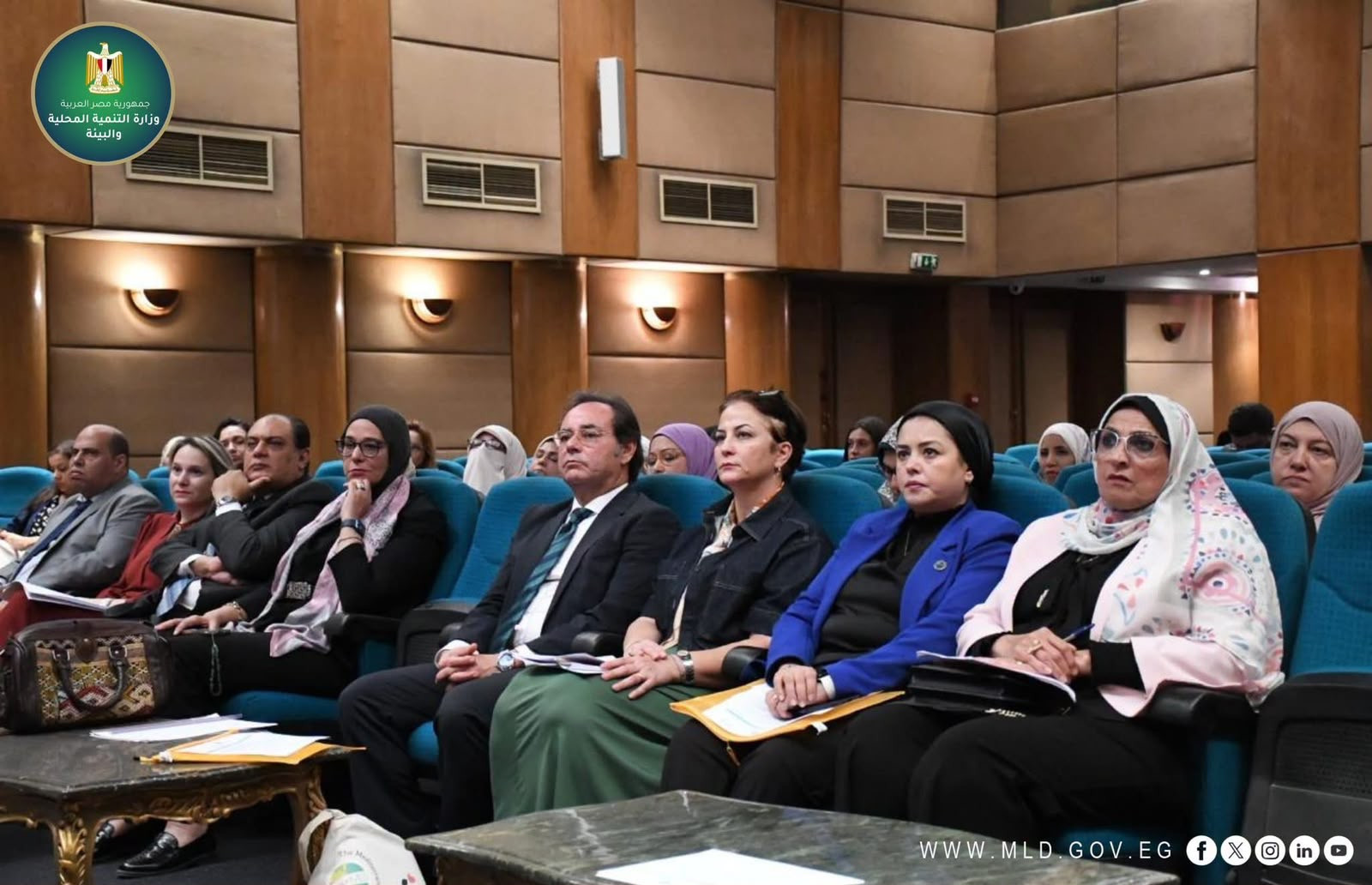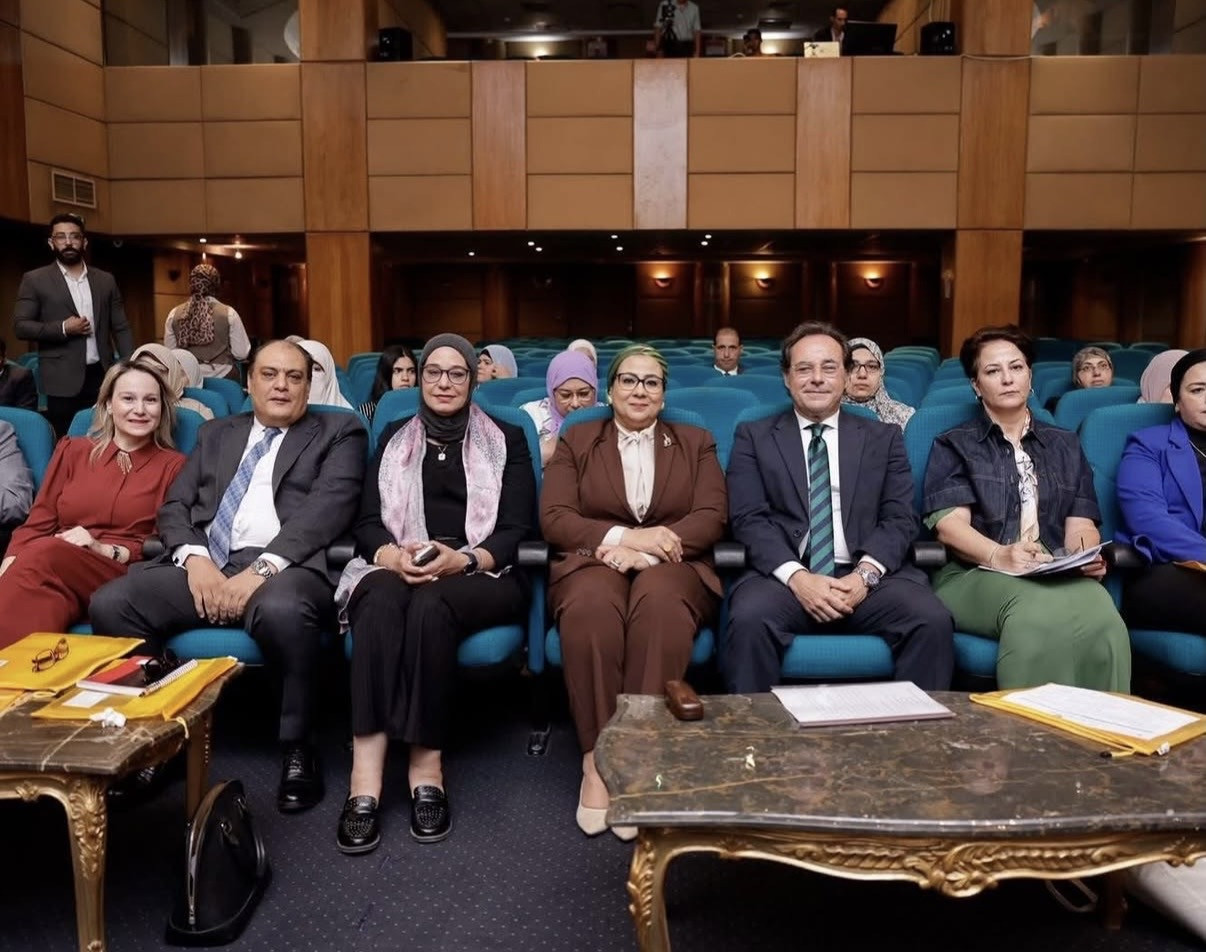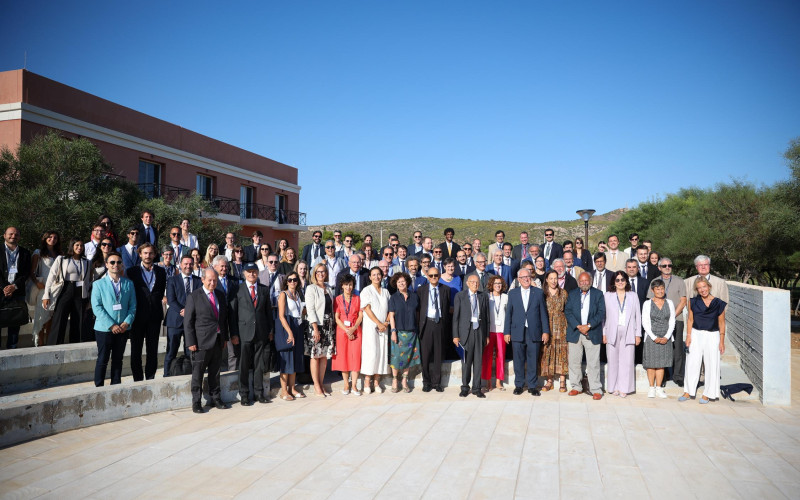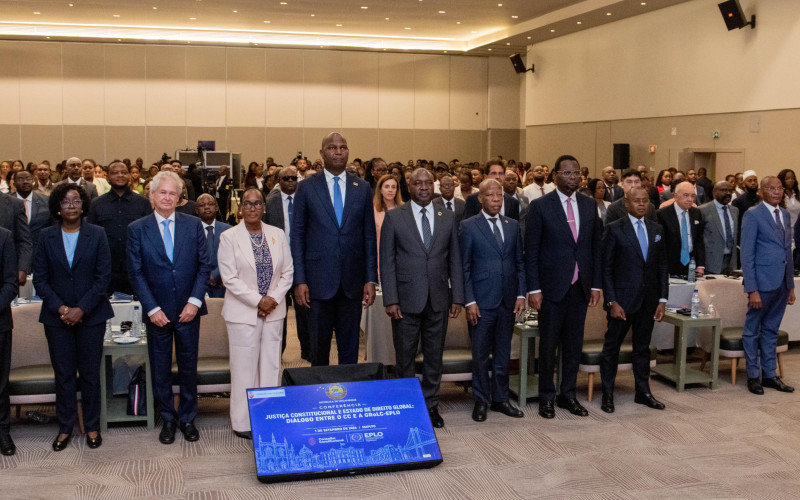
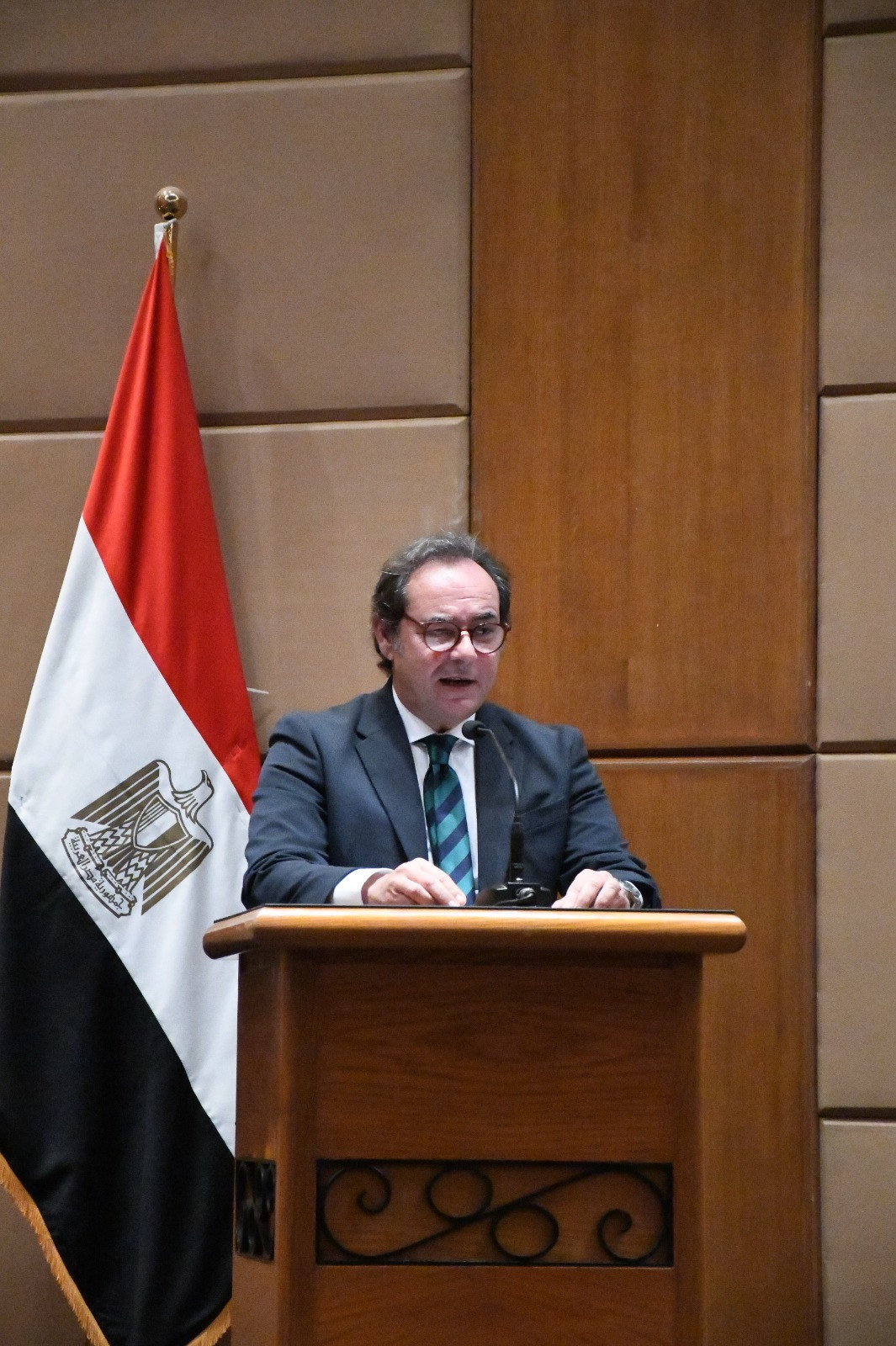
Cairo, 11 October 2026 — Egypt hosted the closing day of the third Circular Gaia Symposium at Cairo House Cultural Center, placing the blue economy and women's empowerment at the centre of discussions on sustainable development and Mediterranean cooperation.
Co-organised by Egypt's Ministry of Local Development and Environment and the European Public Law Organization (EPLO), with support from the United Nations Environment Programme's Mediterranean Action Plan (UNEP/MAP), the Cairo event followed two days of discussions in Athens on 9–10 October.
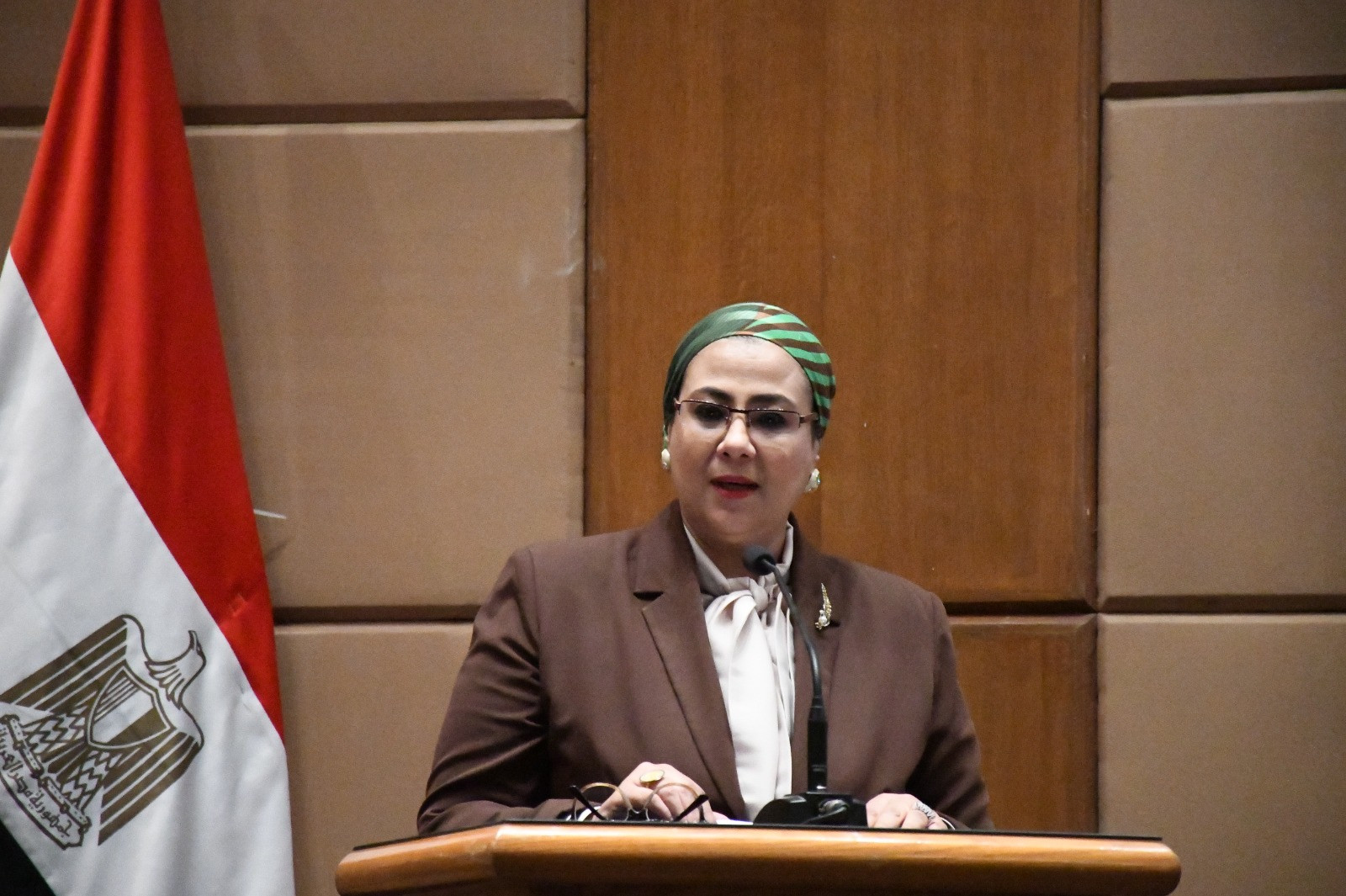
Eng. Sherif Abdel Rahim, Chief Executive Officer of the Egyptian Environmental Affairs Agency, opened the proceedings on behalf of H.E. Dr. Manal Awad, Minister of Local Development and Environment. Counsellor Amal Ammar, President of Egypt's National Council for Women, also participated.
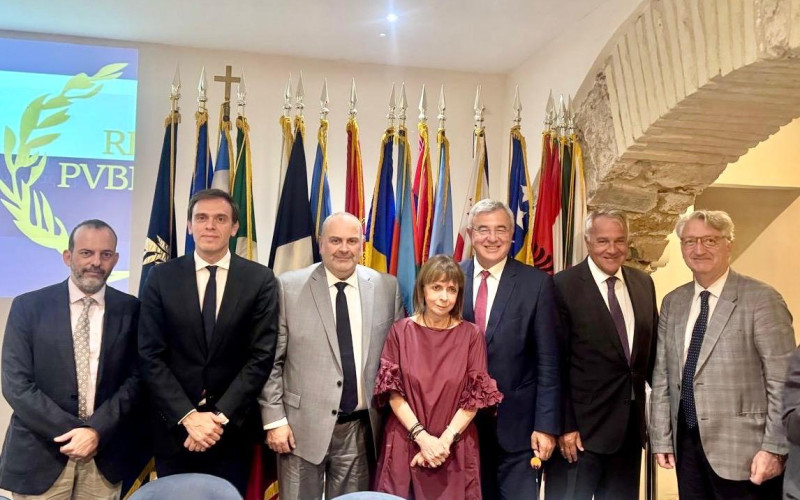
Circular Gaia and EPLO were represented in Egypt by Garyfallia (Fay) Selimi, Co-Director of EPLO's Circular Economy, Environment, Energy and Climate Institute. Selimi highlighted the value of the partnership with Egypt and its contribution to strengthening Mediterranean dialogue and cooperation on sustainability.
In his opening remarks, Abdel Rahim emphasised the role of the circular and blue economies in sustainable development. He outlined Egypt's efforts to attract environmental and climate investment, expand digital services, protect marine ecosystems and prepare its first integrated national blue economy strategy.
The discussions took place against the backdrop of Egypt's 2026–2027 presidency of the Barcelona Convention, the Cairo Ministerial Declaration and the Mediterranean Strategy for Sustainable Development 2026–2035.
Counsellor Amal Ammar stressed the importance of women's economic empowerment and access to finance and technology. Dr. Heba Shaarawy, Head of the Central Department for Coasts, Lakes and Ports and National Focal Point for the Barcelona Convention, highlighted women's contribution to marine environmental protection and sustainable employment.
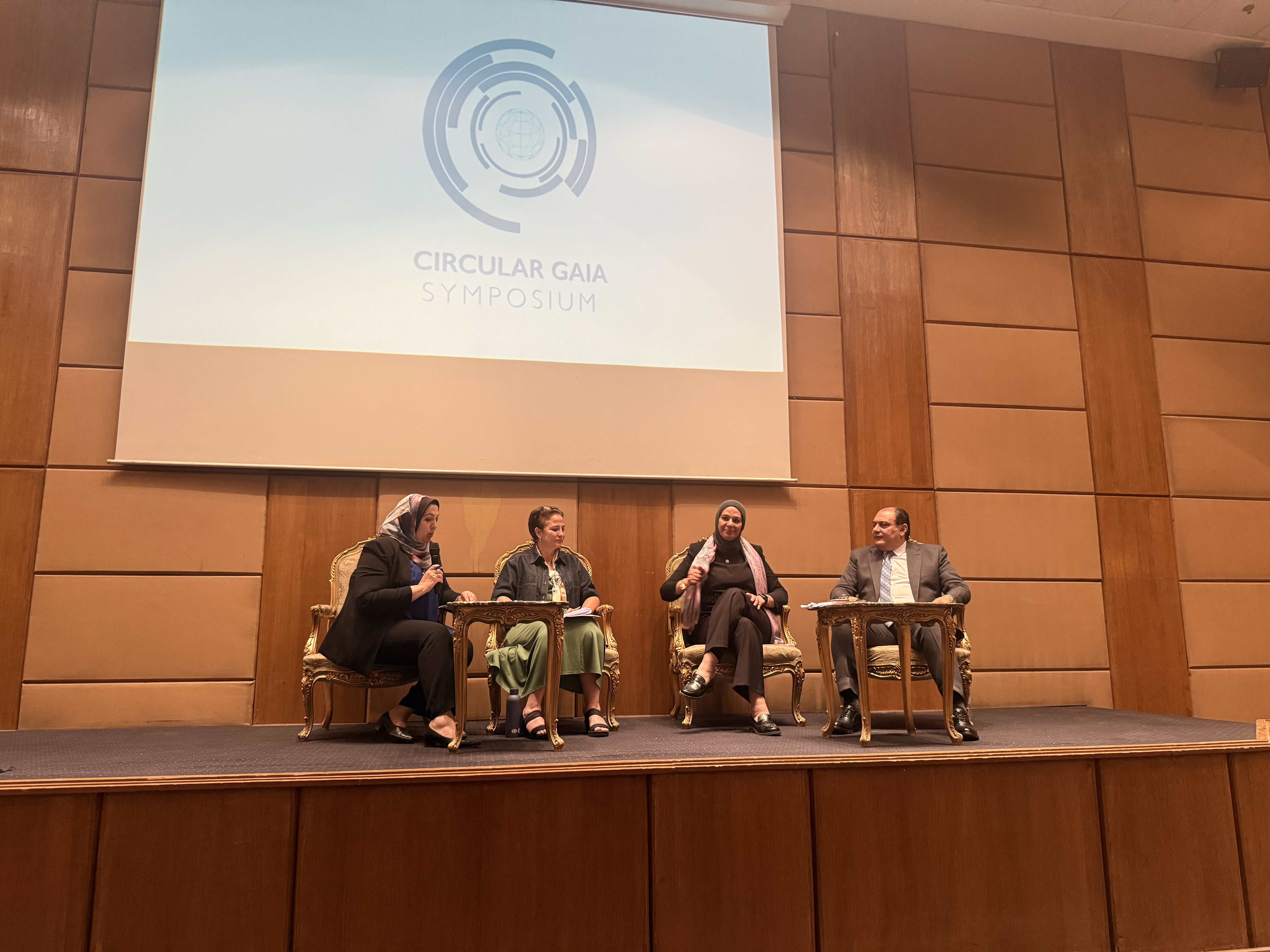
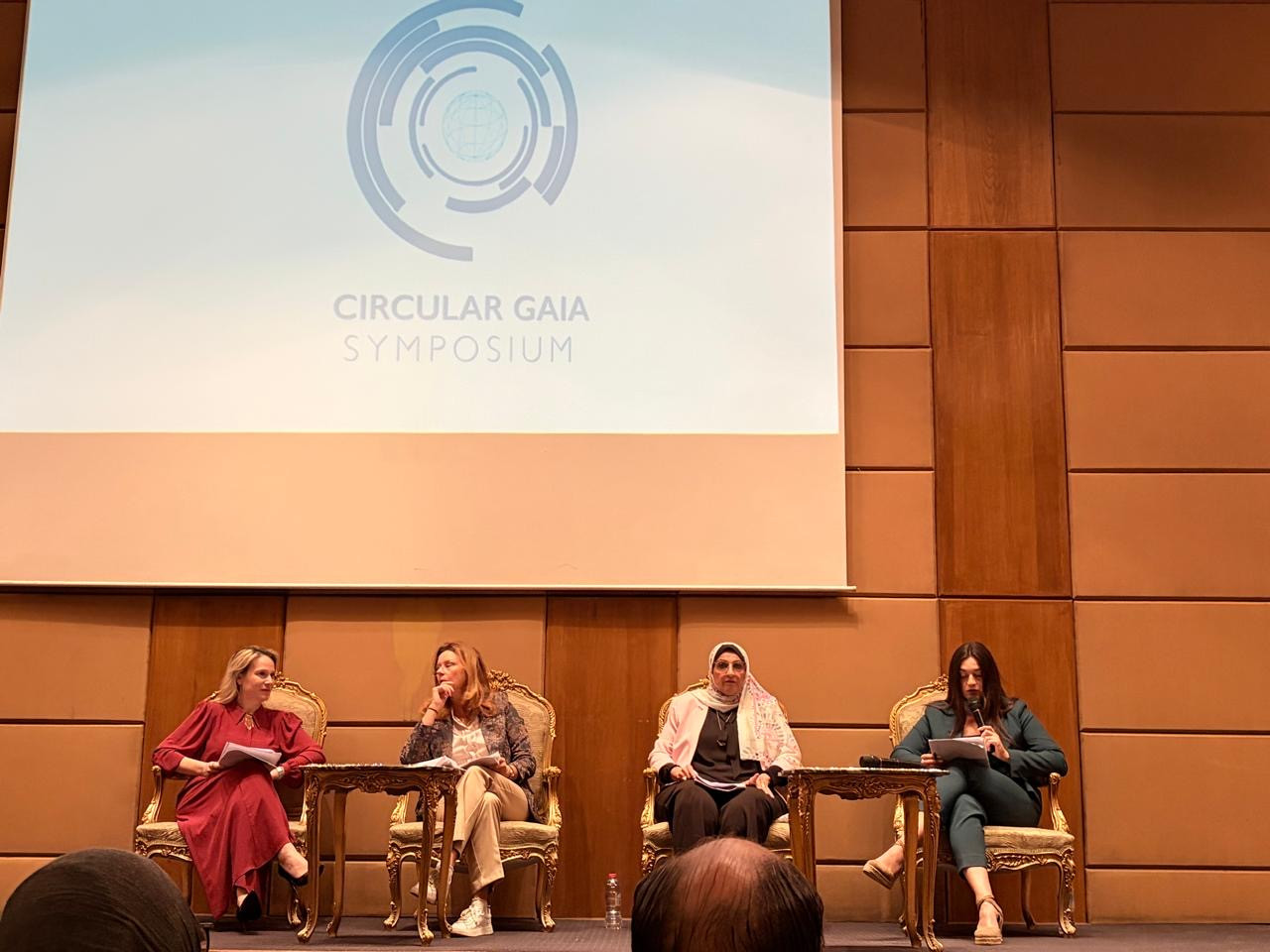
Two thematic sessions explored women's leadership in sustainable development and opportunities for the blue economy. Participants discussed how stronger institutions, inclusive decision-making, investment and regional partnerships can translate sustainability commitments into practical results.
By hosting the symposium's concluding day, the Ministry of Local Development and Environment helped connect Egyptian expertise with European and Mediterranean partners, creating further opportunities for cooperation on circularity, marine protection and inclusive development.
The Athens–Cairo edition marked the symposium's first extension to Egypt, reinforcing Circular Gaia's role as an international platform for dialogue, knowledge exchange and partnership building.