Fez, Morocco — April 27–28, 2026
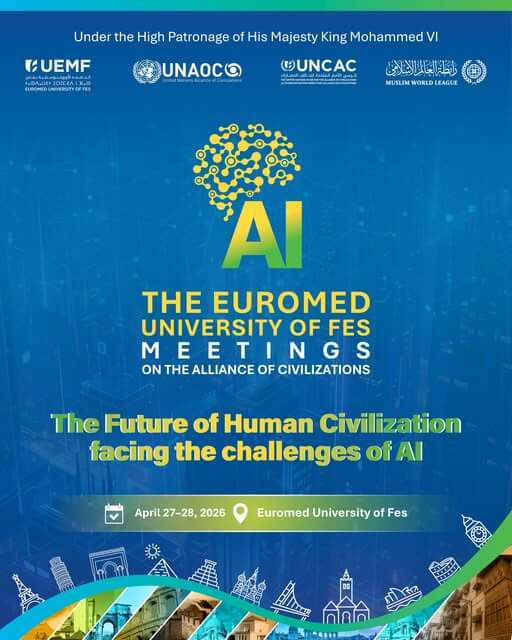
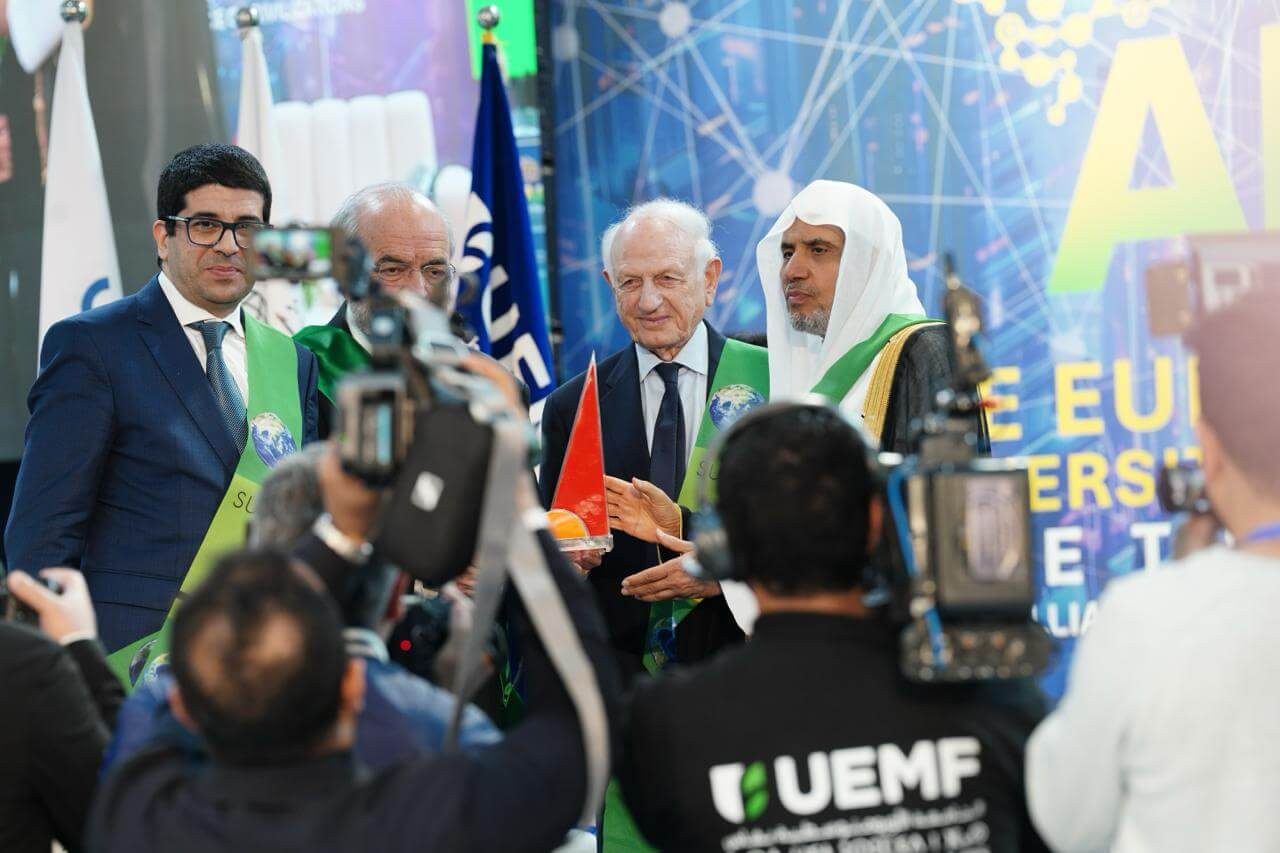
Held under the High Patronage of His Majesty King Mohammed VI, the Euromed University of Fez Meetings on the Alliance of Civilizations convened leading international figures to explore “The Future of Human Civilization Facing the Challenges of Artificial Intelligence.”
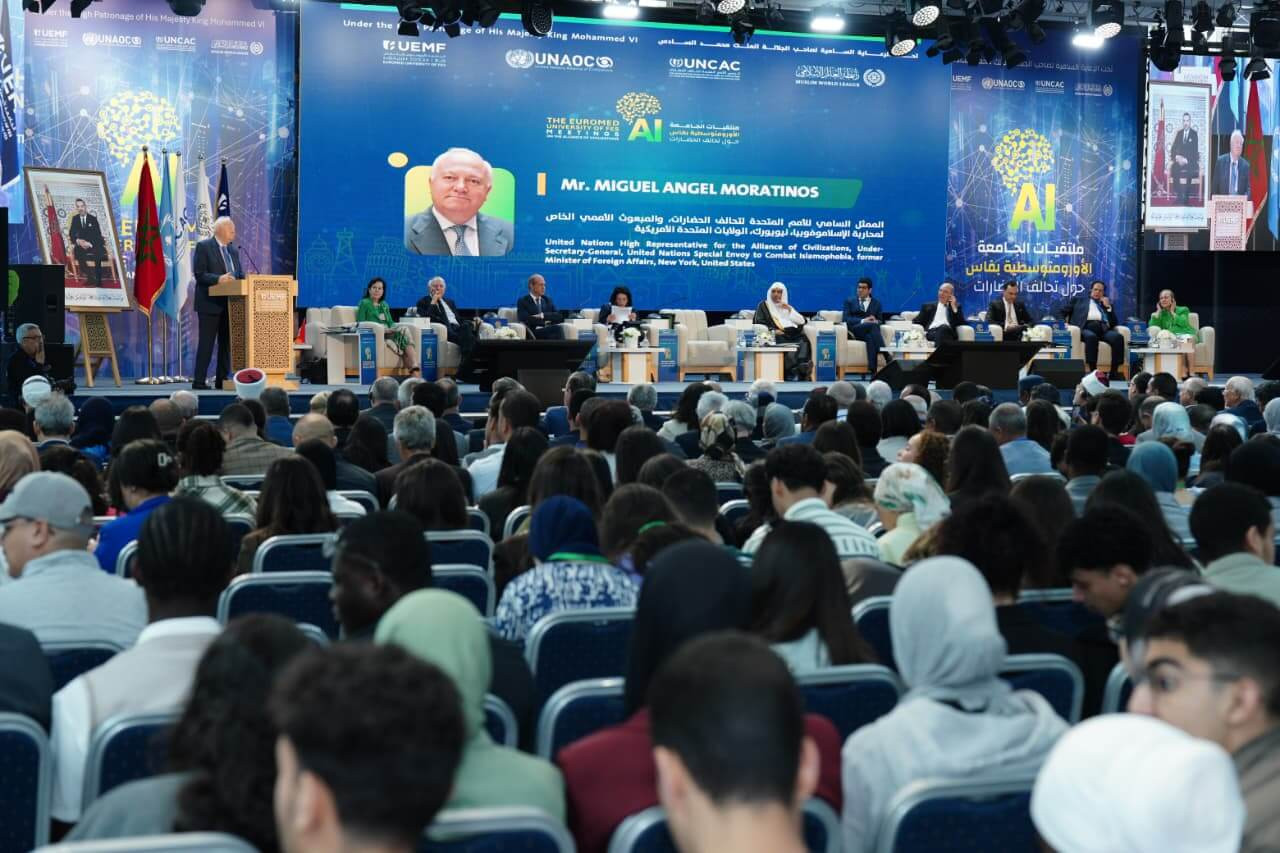
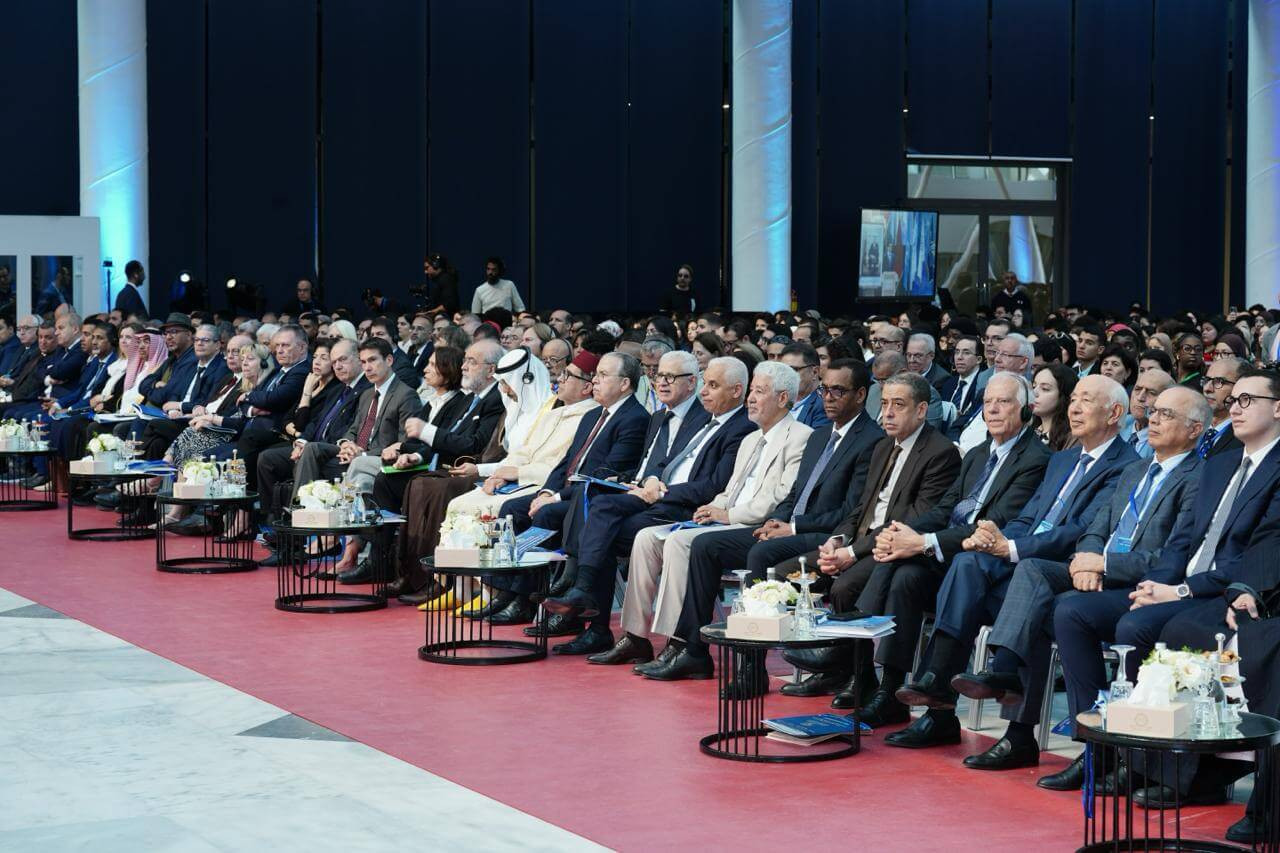
Organized by the Euromed University of Fez, the United Nations Chair for the Alliance of Civilizations, the Muslim World League, and the United Nations Alliance of Civilizations (UNAOC), the Forum brought together more than 2,000 participants from 75 countries, including ministers, diplomats, academics, and experts.
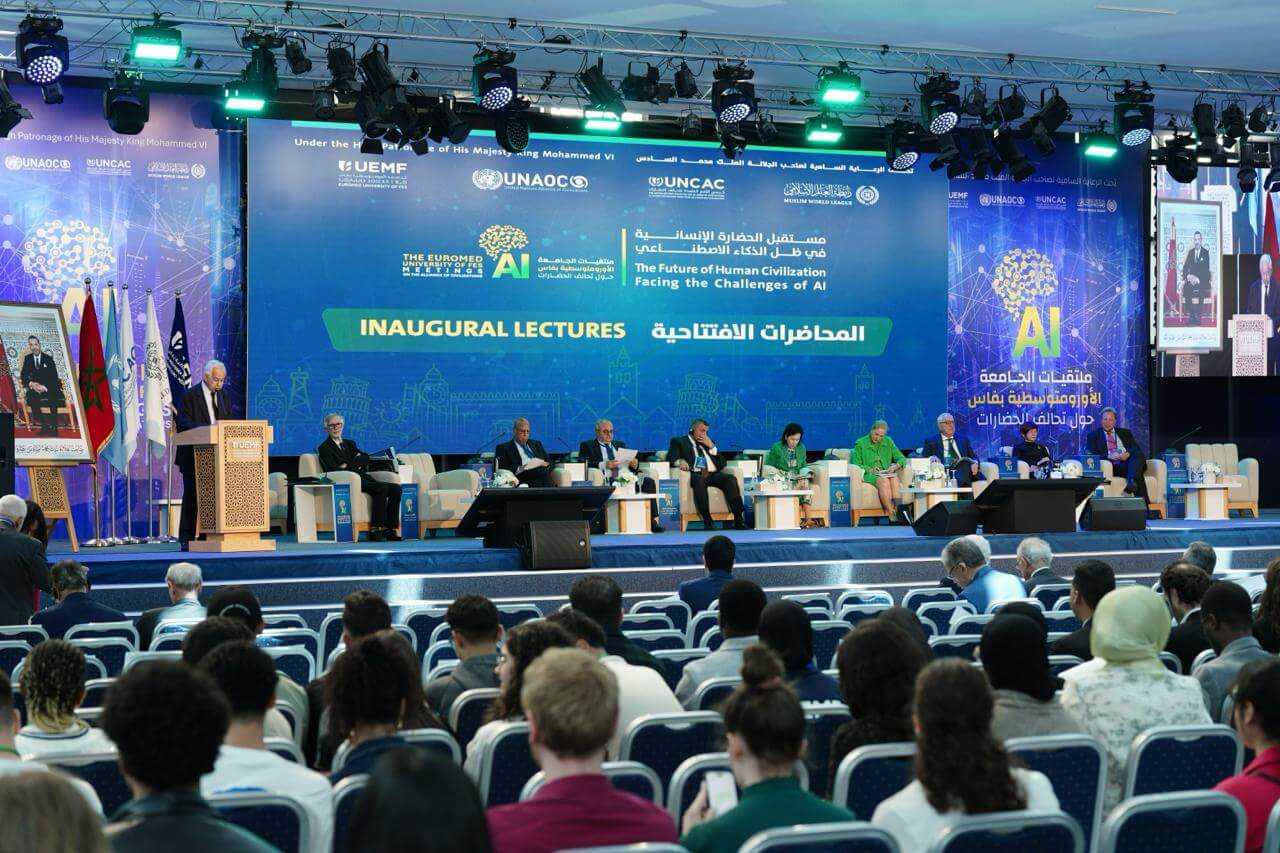
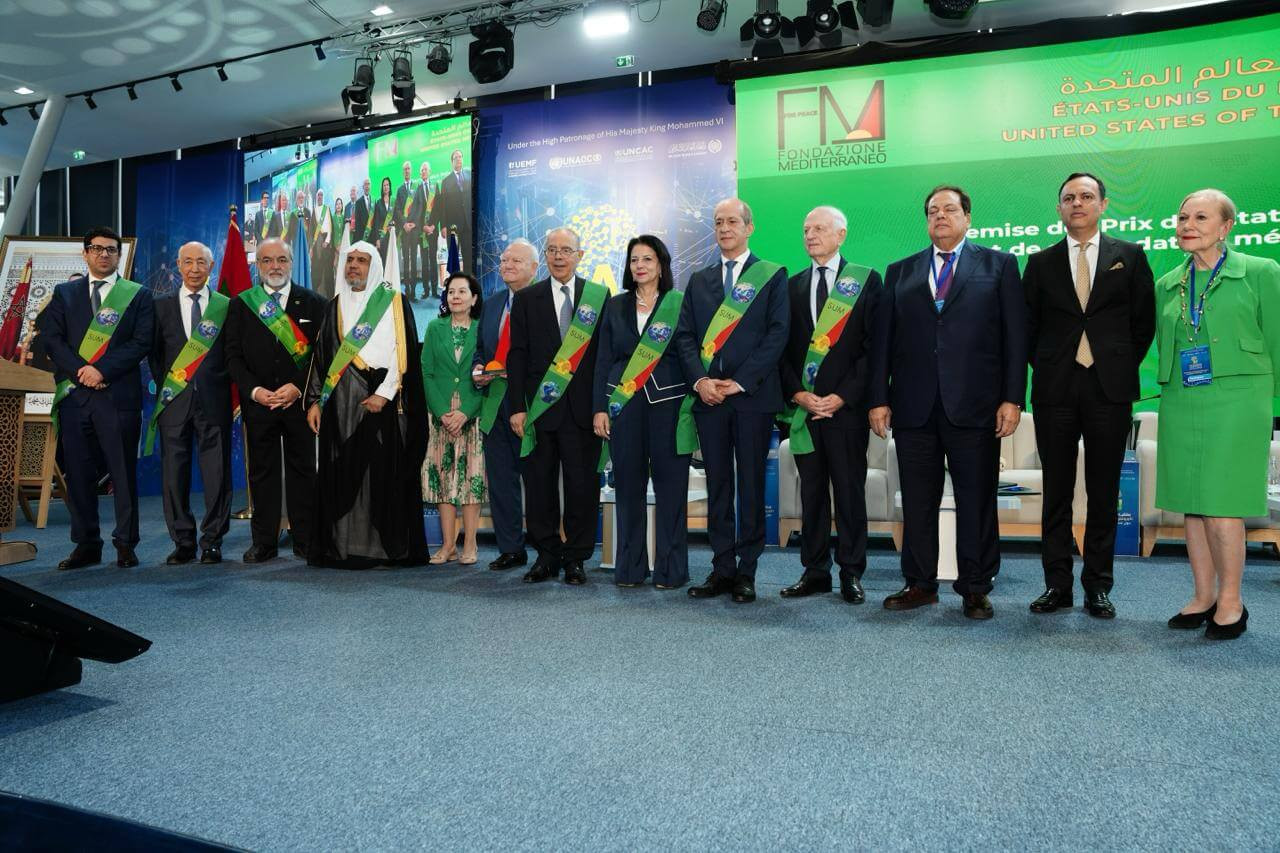
The opening session featured distinguished speakers such as André Azoulay, Advisor to His Majesty King Mohammed VI; Mohammad bin Abdulkarim Al‑Issa, Secretary General of the Muslim World League; Miguel Ángel Moratinos, UN High Representative for the Alliance of Civilizations; and senior Moroccan officials Younes Sekkouri and Amal El Fallah Seghrouchni.
Also among the keynote contributors were Benita Ferrero‑Waldner, former European Commissioner for External Relations, and Raymonde Saint‑Germain, Canadian Senator and former Ombudsperson.
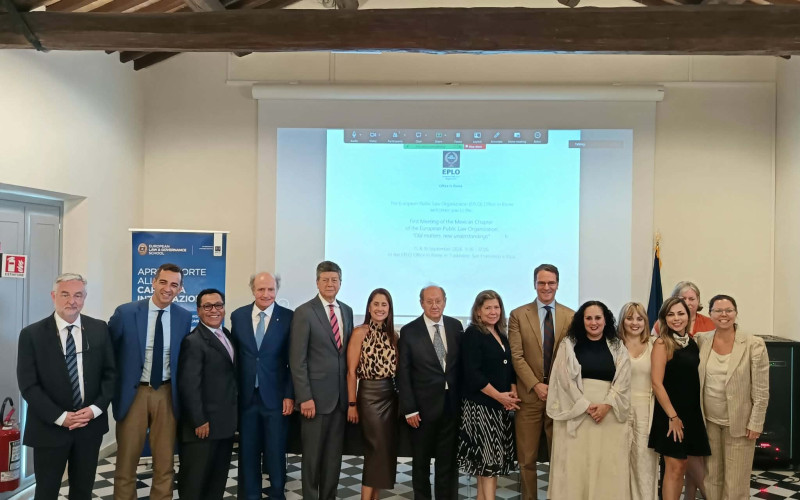
Representing the European Public Law Organization (EPLO), Director Spyridon Flogaitis participated in the first plenary session, “Transparency, Responsibility and Trust: The Foundations of Sustainable Global Governance in the Age of Artificial Intelligence.”
Across two days of high‑level dialogue, the Forum examined the foundations of global governance for artificial intelligence, focusing on transparency, accountability, and regulation. Experts discussed the scientific and ethical challenges of AI systems — from data integrity and algorithmic explainability to the creation of trustworthy, human‑centered models.
Sector‑specific sessions explored the transformative potential of AI in healthcare, highlighting advances in diagnostics, personalized medicine, and system optimization, while also addressing critical questions of data protection and medical responsibility.
The debates extended to the geopolitical dimension of AI, recognizing its growing influence as a strategic lever capable of reshaping international power dynamics. Participants called for stronger multilateral cooperation to prevent technological fragmentation and ensure coherent global standards.
A distinctive focus was placed on Africa’s emerging role in the AI landscape, with discussions emphasizing the continent’s drive toward technological sovereignty, inclusive development, and capacity‑building. Speakers advocated equitable access to innovation, support for local research, and investment in human capital to foster sustainable growth.
Sessions dedicated to human values and social cohesion reaffirmed that technological progress must remain grounded in universal ethics. Integrating the humanities and social sciences into AI design was identified as essential to preserving human dignity and preventing dehumanization.
Youth participation was another highlight, with young delegates recognized as key actors in shaping a responsible and inclusive digital future.
At the conclusion of the event, participants converged around a shared vision: that artificial intelligence must evolve within an ethical, inclusive, and human‑centered framework, guided by transparency, intercultural dialogue, and equitable access to technology.
The participation of EPLO and its Director reflected the Organization’s ongoing commitment to promoting dialogue, transparency, and responsible governance in the digital age, values that remain central to its mission of advancing public law and democratic institutions worldwide.