Organised by the Circular Economy and Climate Institute of the EPLO
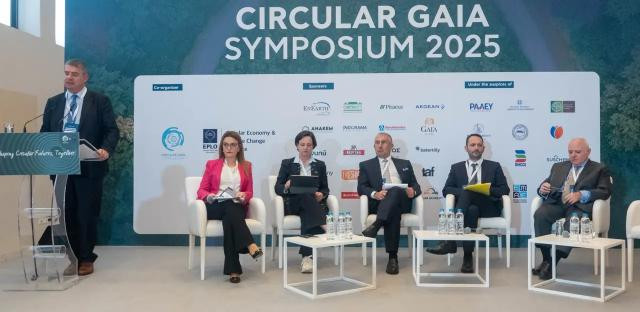
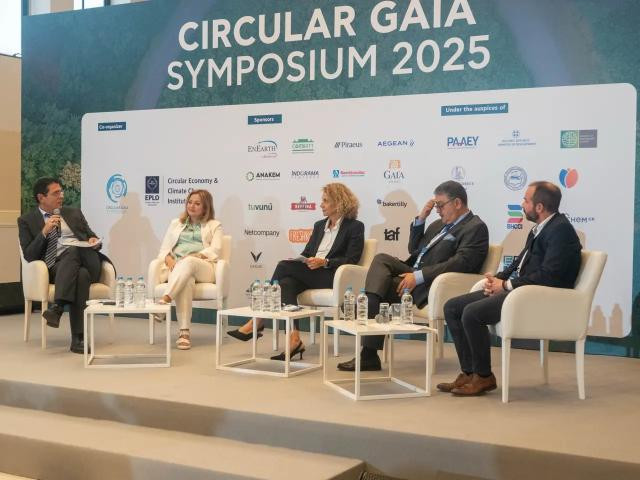
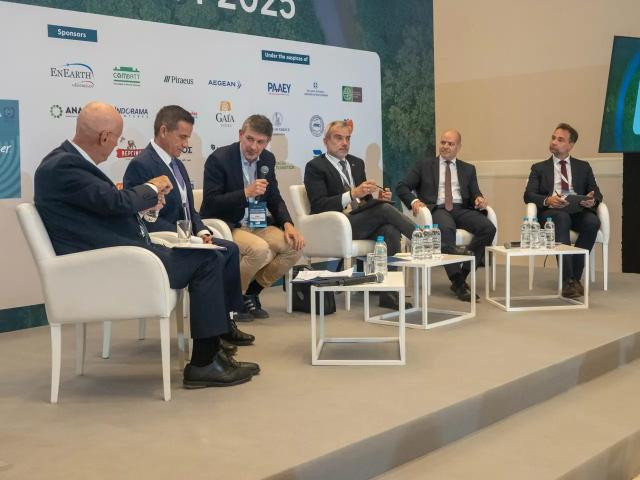
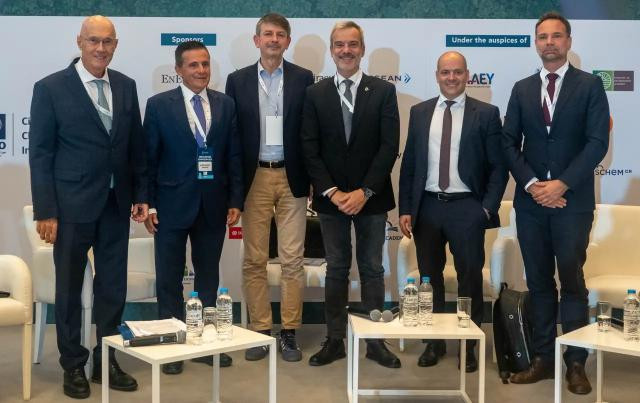
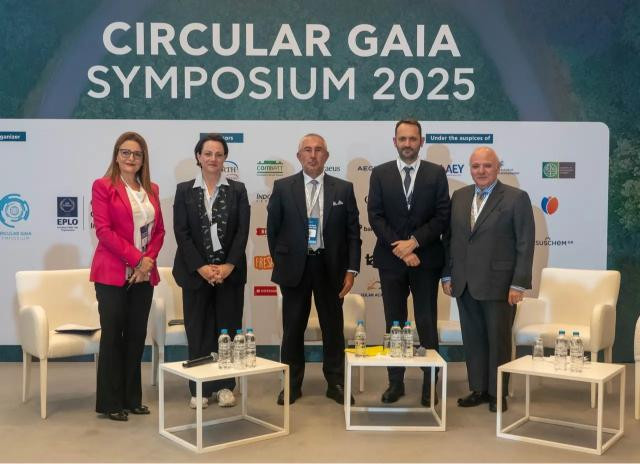
The Circular Gaia Symposium took place on 2–3 October 2025 in Athens, marking a significant milestone in international efforts to advance the circular economy and accelerate the transition towards climate neutrality. The two-day event, organised by the Circular Economy and Climate Institute of the European Public Law Organization (EPLO), brought together more than 350 participants in person and 3,000 online, from 40 countries across four continents.
The Symposium was held across two iconic venues: the historic Zappeion Megaron on the first day, and the premises of the EPLO in Plaka, in the heart of Athens, on the second. The choice of venues reflected the event's ambition to situate the circular economy within a broader narrative of European and global cooperation and also highlight its cultural dimension.
Opening and High-Level Participation
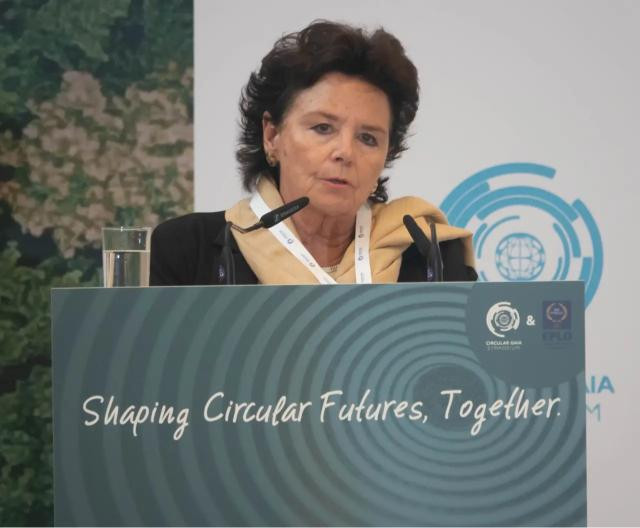
The Symposium was opened by George Kremlis, Founder and President of the Circular Gaia Symposium, Ambassador of the EPLO to Bulgaria, and Director of the Circular Economy and Climate Institute of the EPLO, alongside Professor Spyridon Flogaitis, Director of the EPLO and President of its Board of Directors.
The opening session featured high-level contributions from national and international leaders, underscoring the global importance of circular economy initiatives. A video address was delivered by His Excellency Rumen Radev, President of the Republic of Bulgaria, while in-person speeches were given by Stavros N. Papastavrou, Minister of Environment and Energy of Greece, and Harry Theoharis, Deputy Minister for Foreign Affairs of Greece. Costas Kadis, European Commissioner for Fisheries and Oceans, also contributed online to the session. Further video messages were received from Apostolos Tzitzikostas, European Commissioner for Sustainable Transport and Tourism, and Ekaterina Zaharieva, EU Commissioner for Startups, Research and Innovation.
Themes and Panels
Over the course of the two days, fifteen panels were held, covering the full spectrum of circular economy topics in a holistic manner. Key themes included circular cities, energy transition, green growth, circular tourism, circular diplomacy, ESG and green financing, digital innovation and artificial intelligence, alternative fuels, the blue economy, waste and water management, sustainable infrastructure, and the protection of cultural heritage from climate change.
Policy Alignment and Global Cooperation. A central panel explored the need to better align national, EU, and international policy frameworks in support of the circular economy. Speakers emphasised the shared responsibility of governments, EU institutions, local authorities, and the private sector to foster coordinated action, and highlighted the role of the EU's Clean Industrial Deal in turning decarbonisation into a driver of growth.
Green Financing and ESG. The integration of circular ESG criteria into investment strategies was identified as a key lever for catalysing sustainable growth. Speakers noted that aligning financial flows with sustainability goals represents both a strategic imperative and an opportunity to shape resilient economic models, with the EU Taxonomy regulation playing a central role.
Circular Diplomacy. A high-level panel of ambassadors, moderated by George Kremlis, explored how diplomatic channels can be strategically leveraged to promote knowledge exchange, mobilise resources, and disseminate best practices. The promotion of multilateralism and the need to collectively address challenges posed by the climate crisis, litter pollution, and microplastics were highlighted.
The Role of Women in the Circular Economy. Two dedicated panels, one co-organised with UNEP/MAP, examined how women's leadership and gender-inclusive strategies can drive innovation, policy advancement, and sustainable growth across sectors.
COP30 and Brazil. A forward-looking panel highlighted Brazil's leading role in advancing circular economy and climate action ahead of COP30. The concept of mutirão—rooted in the Tupi-Guarani language and reflecting solidarity, voluntary cooperation, and celebration—was presented as the guiding spirit of COP30, underscoring the importance of ancestral intelligence and the mainstreaming of culture in climate action.
Key Outcomes and Declarations
A notable outcome of the Symposium was the presentation and adoption of the Athens Declaration on Culture-Based Climate Actions, prepared by Professor Emeritus Antonia Moropoulou of the National Technical University of Athens. The Declaration calls for formal recognition of culture's role in climate policy and supports the pursuit of a Joint Work Decision at the UNFCCC on the intersections of culture and climate action.
The Symposium also introduced the concept of the brain economy to the circular economy discourse, following a special interview with Dr Harris A. Eyre of the Brain Capital Alliance. The discussion highlighted how measuring brain capital indices alongside traditional metrics such as carbon, waste, and GDP can enhance circularity and resilience.
A key takeaway of the event was that across the three pillars of EU policy—green growth, the blue economy, and the digital economy—the circular economy stands as the overarching priority, to be mainstreamed across all three. The Symposium advanced a new narrative built around the concepts of the circular citizen, circular household, circular city, and circular region, and reinforced the critical role of youth in driving these transitions forward.
Circular Gaia Awards
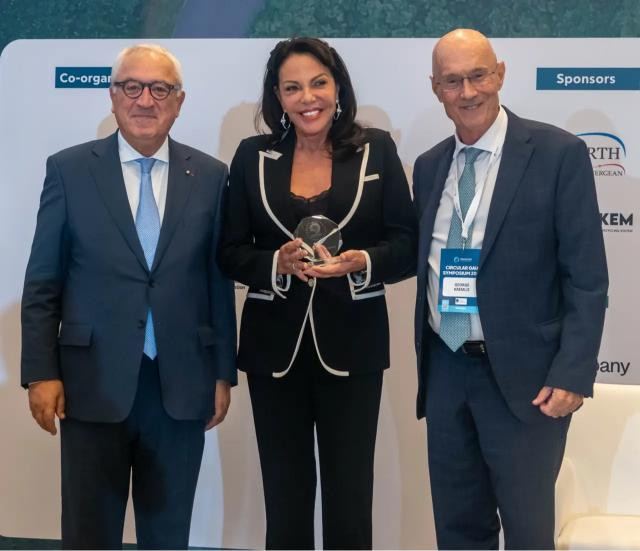
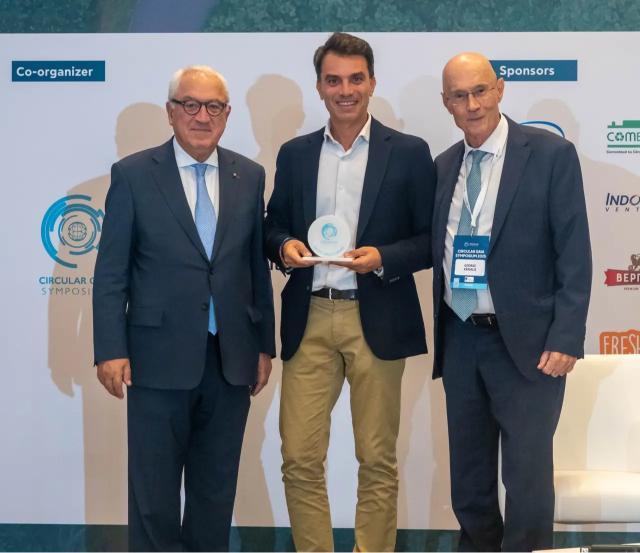
The first edition of the Symposium concluded with the inaugural Circular Gaia Awards ceremony, presented by Panagiotis Theodorikakos, Minister of Development of the Hellenic Republic, together with Professor Flogaitis and George Kremlis. The awards recognised individuals, companies, and organisations for outstanding contributions to circular economy practices, environmental protection, innovation, sustainable production, green transition, and circular entrepreneurship.
Looking Ahead
The Circular Gaia Symposium demonstrated the depth of international commitment to advancing the circular economy and building a more resilient, sustainable future. The outcomes and discussions from this first edition will continue to inform ongoing initiatives and collective efforts in the years ahead.
A video of the Symposium is available below, and the conclusions of the Symposium are available here:https://circulargaia.org/symposium-conclusions/
For further information, please visit https://circulargaia.org/.