OVERALL OBJECTIVE
The FOODGaP: Food Governance and Policies at Local Level project empowers Mediterranean cities and local authorities to play a leading role in creating healthier, fairer, and more sustainable food systems. Its main goals are to:
- Strengthen food security
- Strengthen local leadership by giving cities the tools to design and manage food policies.
- Bring people together by involving citizens, businesses and researchers in shaping solutions.
- Connect cities and rural areas to support balanced development across territories.
- Encourage cooperation across the Mediterranean and ensure local voices are heard in global food policy dialogue.
- Support the green, social and digital transitions in line with European and international priorities.
To make these goals a reality, FOODGaP will:
- Build institutional capacities of local authorities to co-design and deliver food policies.
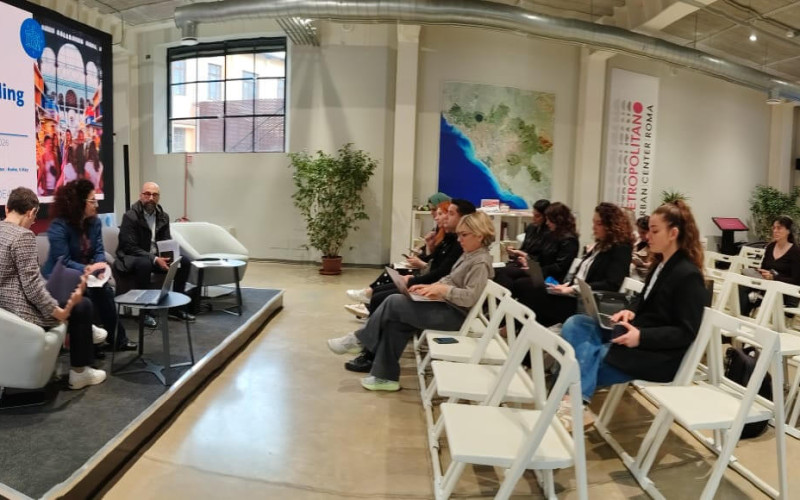
- Pilot 4 local food policies in Tyre (LB), Mersin (TR), Rome (IT), Houmt Souk (TN), engaging at least 50 stakeholders per city.
- Implement 1 key action per pilot city to demonstrate effective participatory governance.
- Create a Mediterranean Coalition of at least 15 cross-border/EU organizations to scale the FOODGaP approach.
- Develop an IT platform to share methods, tools and outcomes for replication.
ACTIVITIES
EPLO will participate in the following WPs/Activities:
- WP1 - Management and coordination
- WP2 - Communication and dissemination initiatives
- WP3 - Project implementation: Transnational capacity building for a common knowledge on food policies, Peer learning workshops, City-to-city exchange programme
- WP4 - Project implementation: Building local food systems' participatory governance models, Comparative analysis of participatory governance practices, Co-design of local governance models
- WP5 - Project implementation: Pilot actions to test participatory governance models for local food policy development, Local living labs set up, Transnational events
- WP6 - Project implementation: Mediterranean Food Policy Coalition and creation of IT platform
Total budget: €1,320,573.41, including an EU contribution of €1,175,310.33.