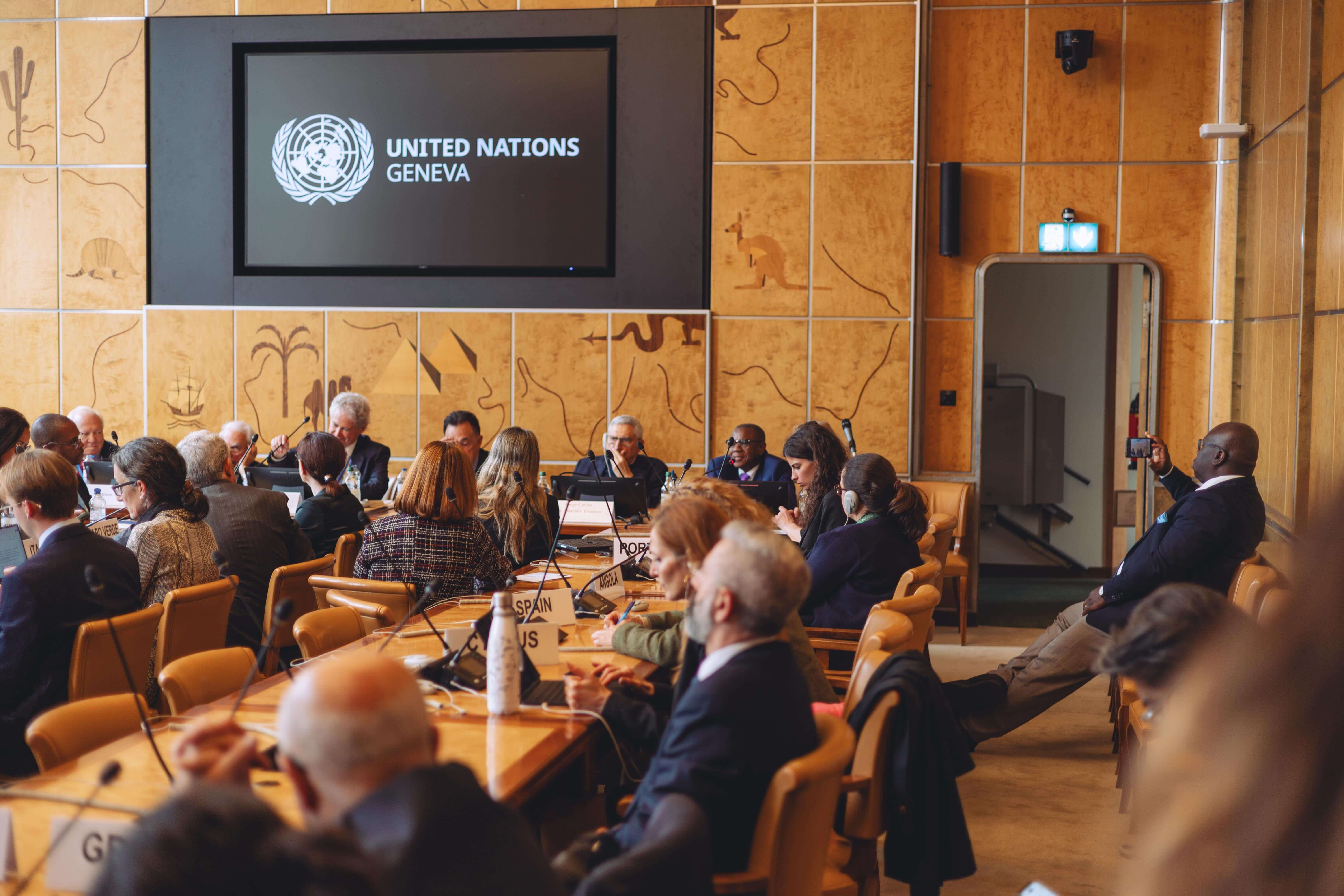
11 May 2026 · Palais des Nations, Geneva
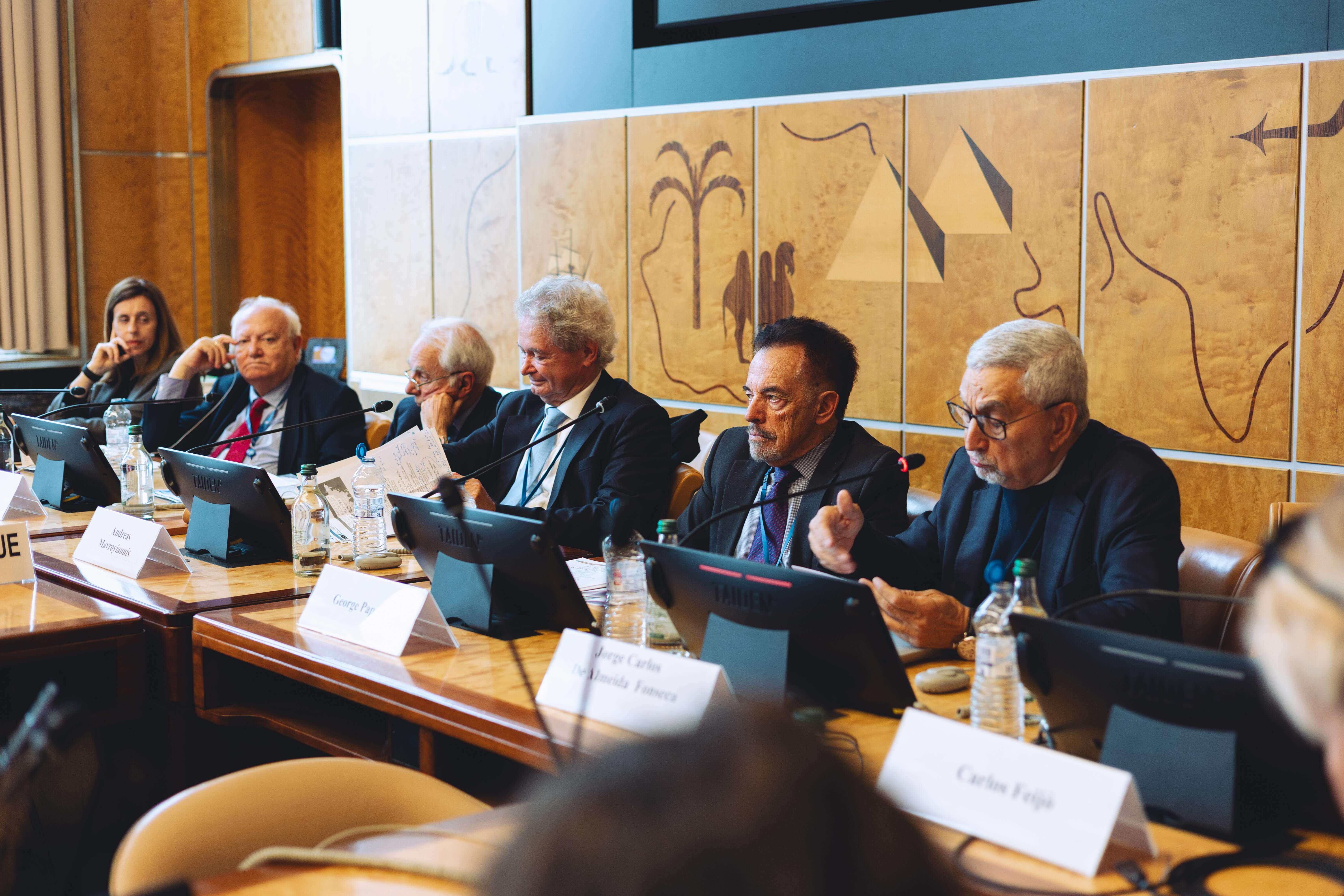
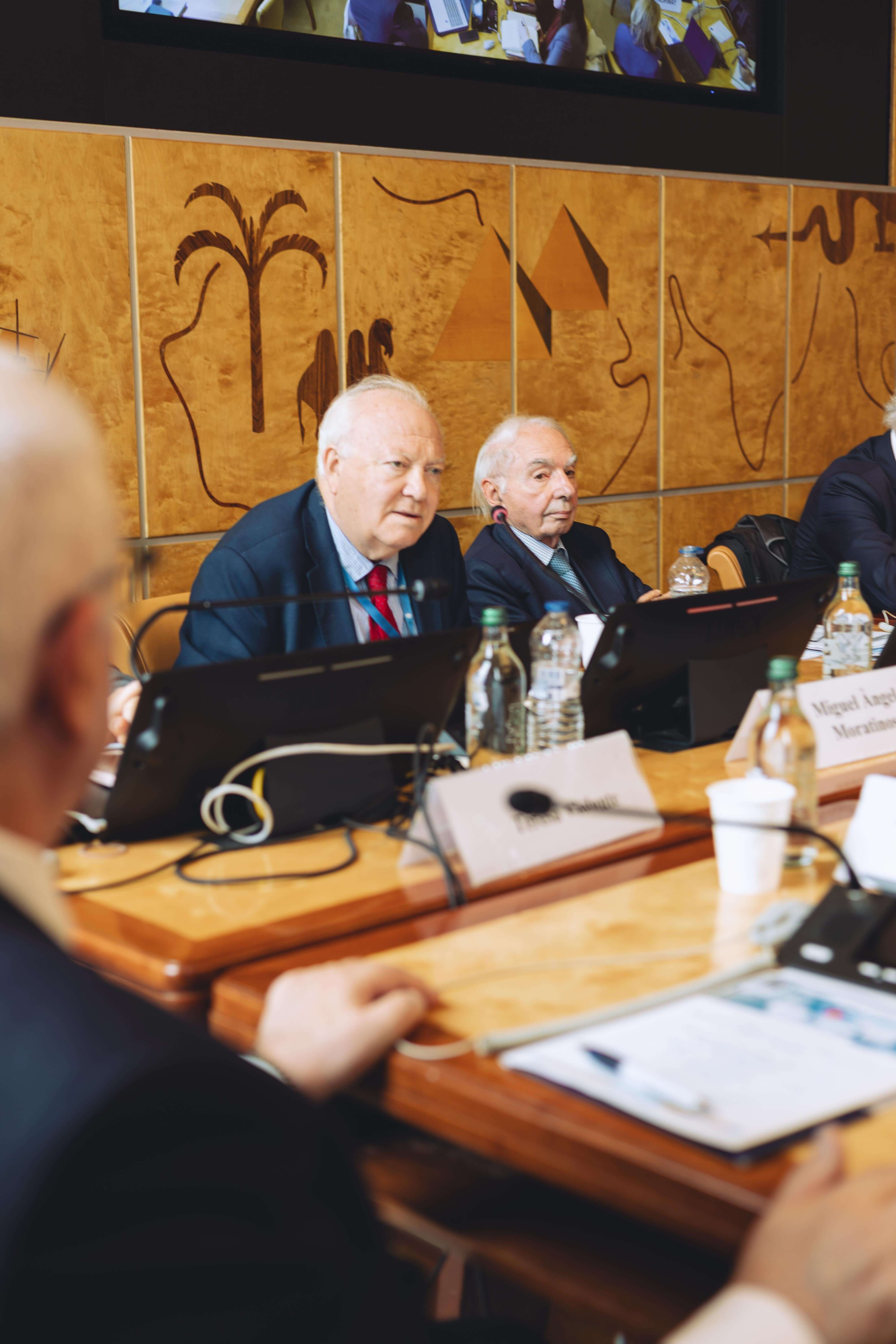
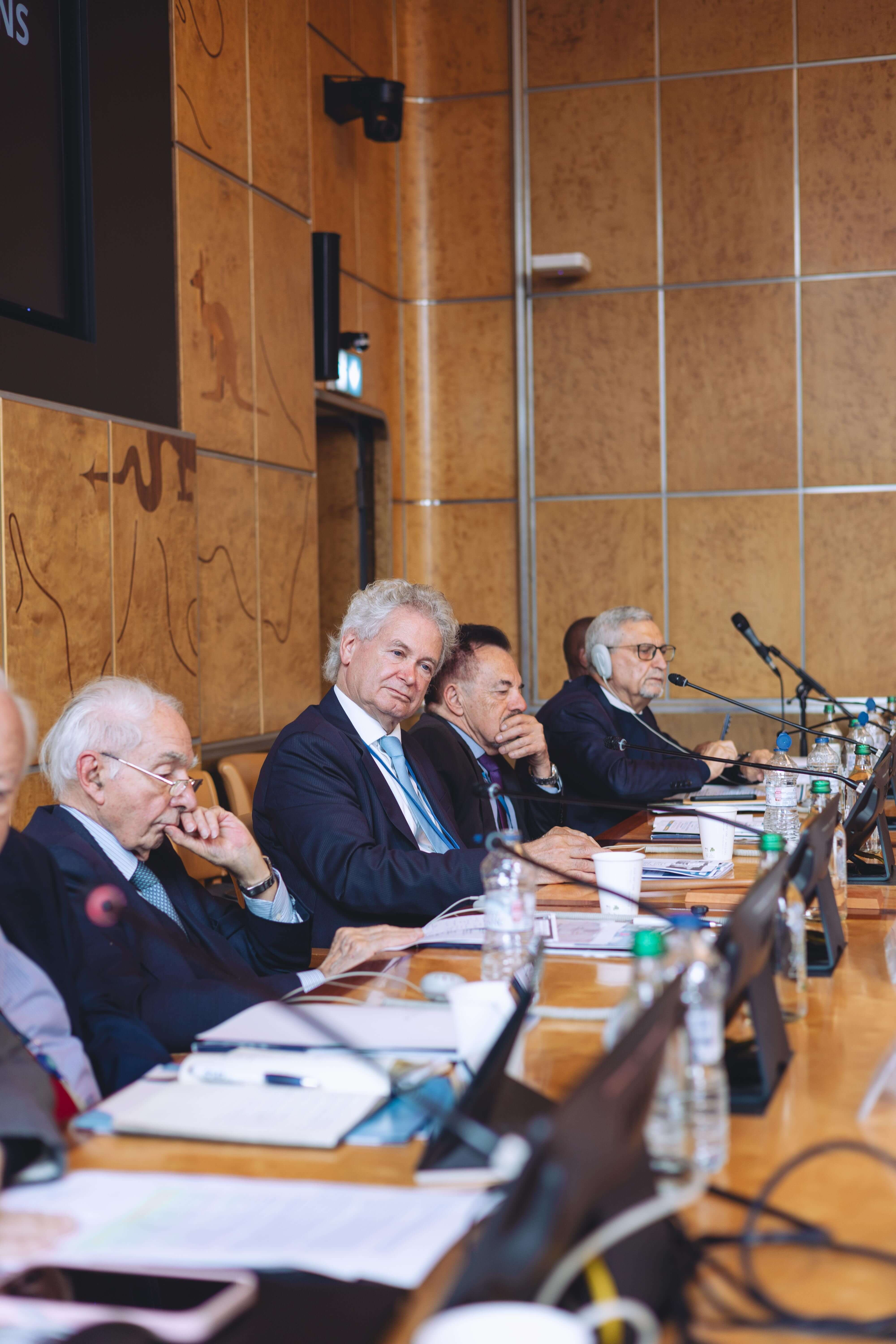
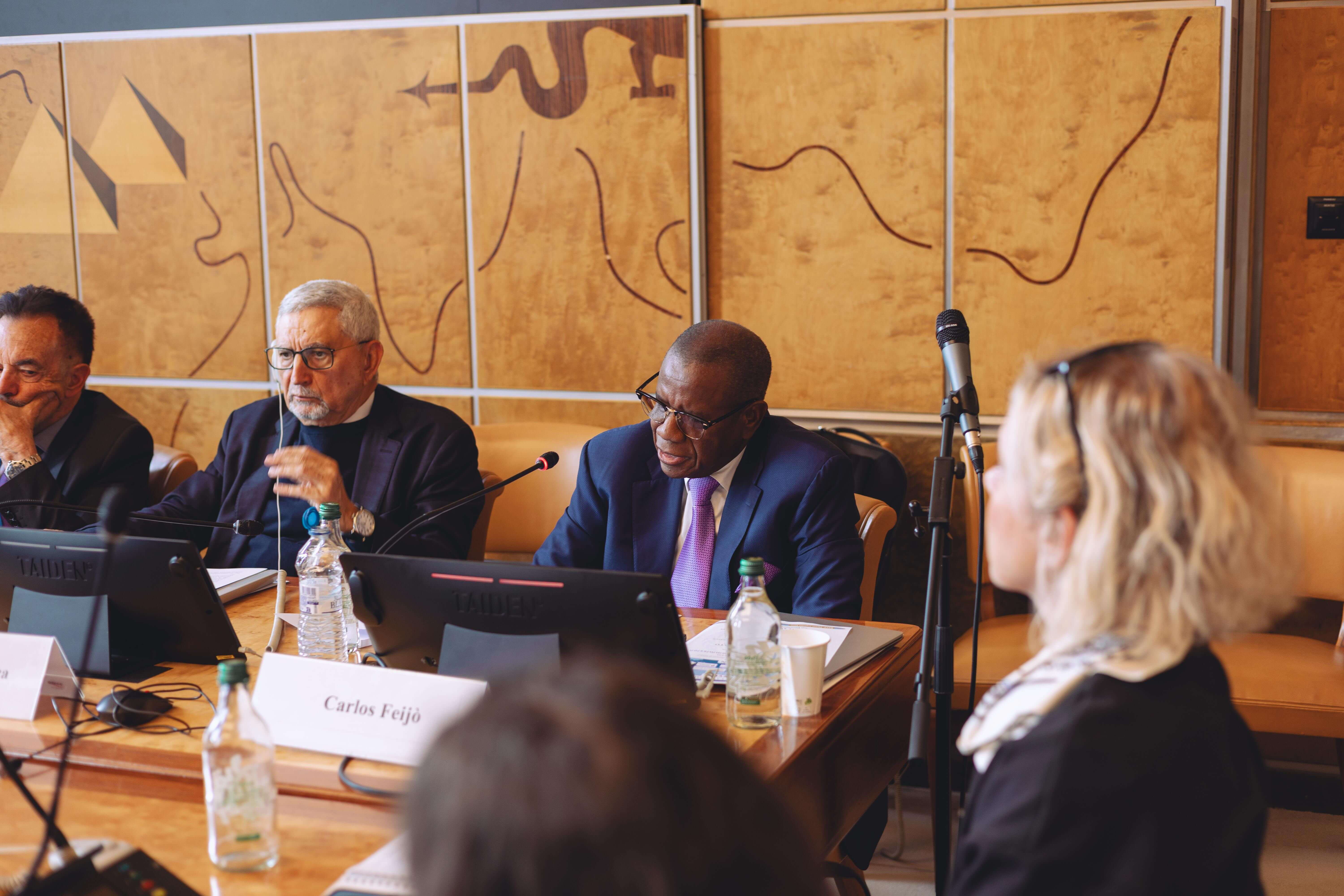
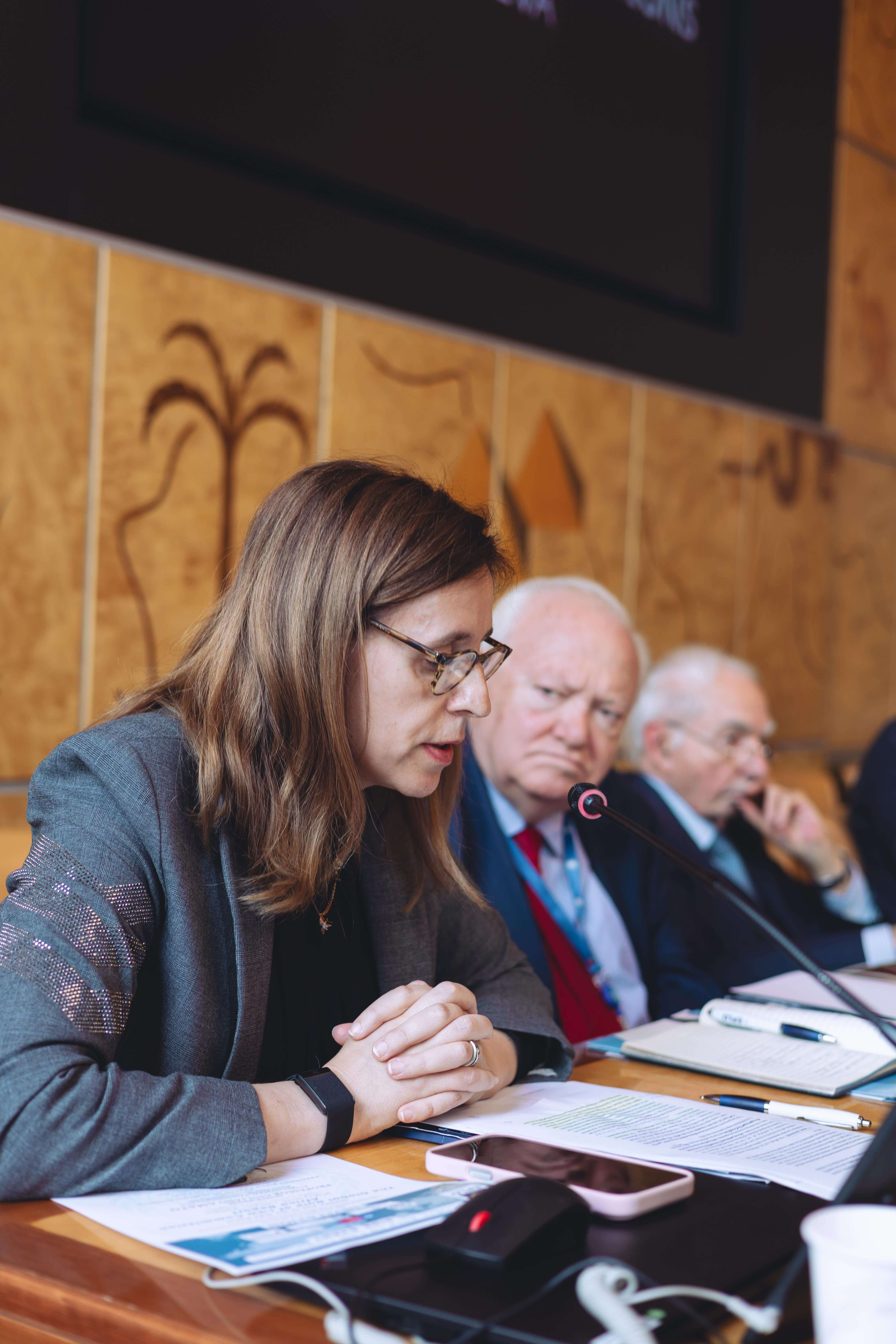
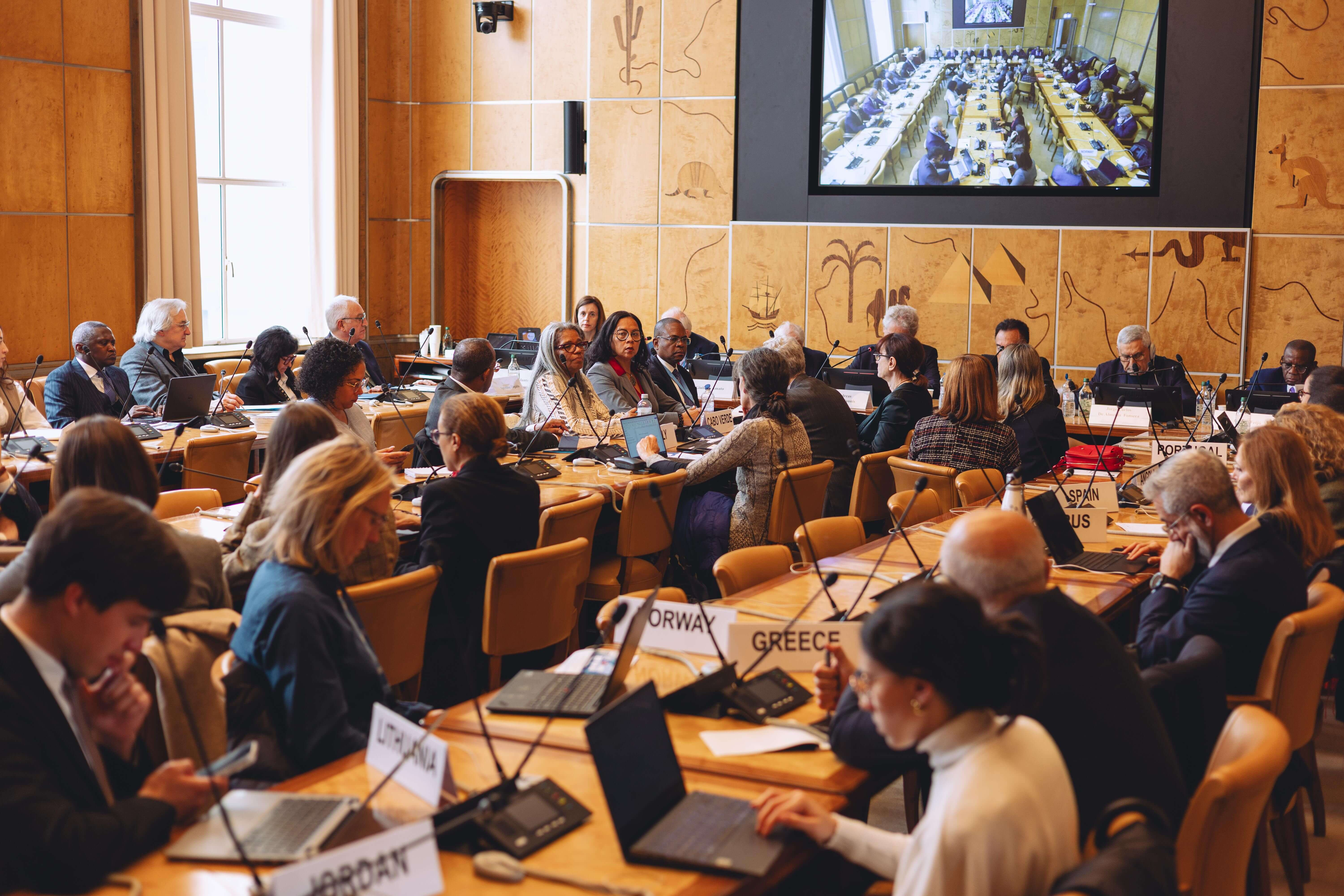
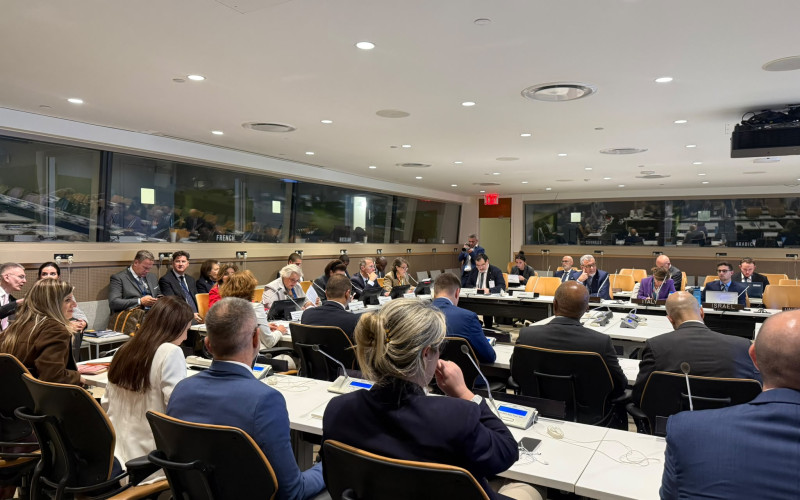
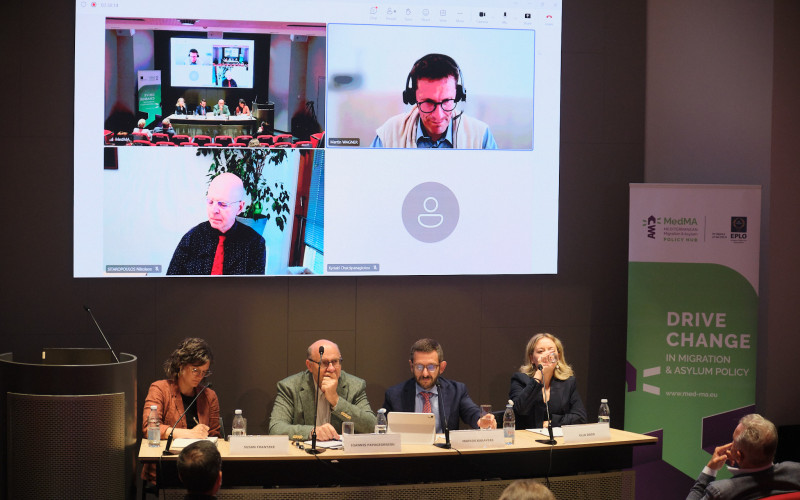
On 11 May 2026, the Permanent Observer Mission of the European Public Law Organization (EPLO) to the United Nations convened a side event at the Palais des Nations in Geneva to present and discuss the Global Rule of Law Commission's Africa Report. The event was framed as part of the Commission's broader work to develop a global, inclusive understanding of the rule of law, grounded in universal values while respecting the diversity of legal cultures.
The discussion brought together EPLO representatives, members of the Global Rule of Law Commission, United Nations officials and representatives of Member States. The event emphasized dialogue rather than ranking or condemnation: the report was presented as an instrument to support cooperation with
States, civil society and international organizations in strengthening the rule of law in Africa.
A Dialogue‑Oriented Approach to the Rule of Law
The event emphasized cooperation rather than ranking or condemnation. As noted in the report, the Commission aims to support States, civil society, and international organizations by identifying key features, challenges, and reform pathways relevant to strengthening the rule of law in Africa.
The Africa Report is the Commission’s third regional study, following earlier reports on Europe and on the United States and Canada. It defines the rule of law as an ideal set of governance principles grounded in separation of powers, accountability, judicial independence, access to justice, legal certainty, and the protection of rights.
Speakers and High‑Level Contributions
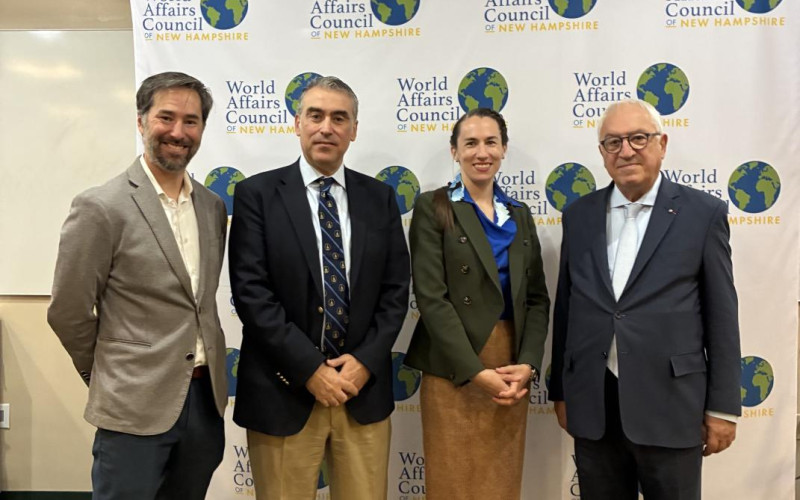
The event featured interventions from leading figures of the Global Rule of Law Commission and the United Nations, including:
Ambassador George Papadatos, Permanent Observer of EPLO to the UN, who opened the event by highlighting EPLO’s longstanding engagement with African issues in Geneva.
Mr. Miguel Ángel Moratinos, UN Under‑Secretary‑General, who emphasized that the rule of law is inseparable from democracy and international cooperation, noting that it must be understood as a shared global concern.
Professor Giuliano Amato, President of the Global Rule of Law Commission, who delivered the keynote address. He underscored that the report seeks dialogue rather than judgment and highlighted Africa’s layered legal traditions—indigenous, Islamic, colonial, post‑colonial, and regional.
President Jorge Carlos de Almeida Fonseca, who stressed the importance of dignity, democracy, and the rule of law, as well as the role of civil society in sustaining institutional trust.
Professor Carlos Feijó, who discussed Africa’s exceptional legal pluralism and the need to adapt democratic models to local histories and collective traditions.
Ms. Teresa Violante, who highlighted the gap between Africa’s strong normative frameworks and the persistent challenges of implementation and political will.
Professor Spyridon Flogaitis, Director of EPLO, who emphasized the Organization’s global mission and the significance of Africa as part of the Commission’s broader comparative work.
Key Themes from the Discussion
The panel and subsequent Q&A highlighted several central themes:
- Implementation remains the core challenge, despite significant normative progress at national and regional levels.
- Legal pluralism is both a strength and a challenge, requiring careful harmonization with constitutional standards and human rights.
- Access to justice was repeatedly identified as foundational, with barriers including distance, cost, limited legal aid, and digital divides.
- The African Union plays a key normative role, though gaps remain between continental aspirations and national implementation.
- Rule of law and democracy are inseparable, with speakers distinguishing clearly between “rule of law” and “rule by law.”
- Civil society is essential for accountability, reform, and rights protection.
Conclusion
The EPLO side event underscored that the rule of law must be understood as universal in aspiration but plural in expression. Africa’s diverse legal traditions—including customary and community‑based systems—are sources of legitimacy and social cohesion, but must be reconciled with human dignity, gender equality, democratic accountability, and legal certainty.
The Africa Report provides a framework for constructive dialogue around six core indicators and invites States to engage with the Global Rule of Law Commission for expertise and support. The event reaffirmed EPLO’s commitment to working collaboratively with States and institutions to advance the rule of law globally.
The event is available to view in its entirety in the video below.