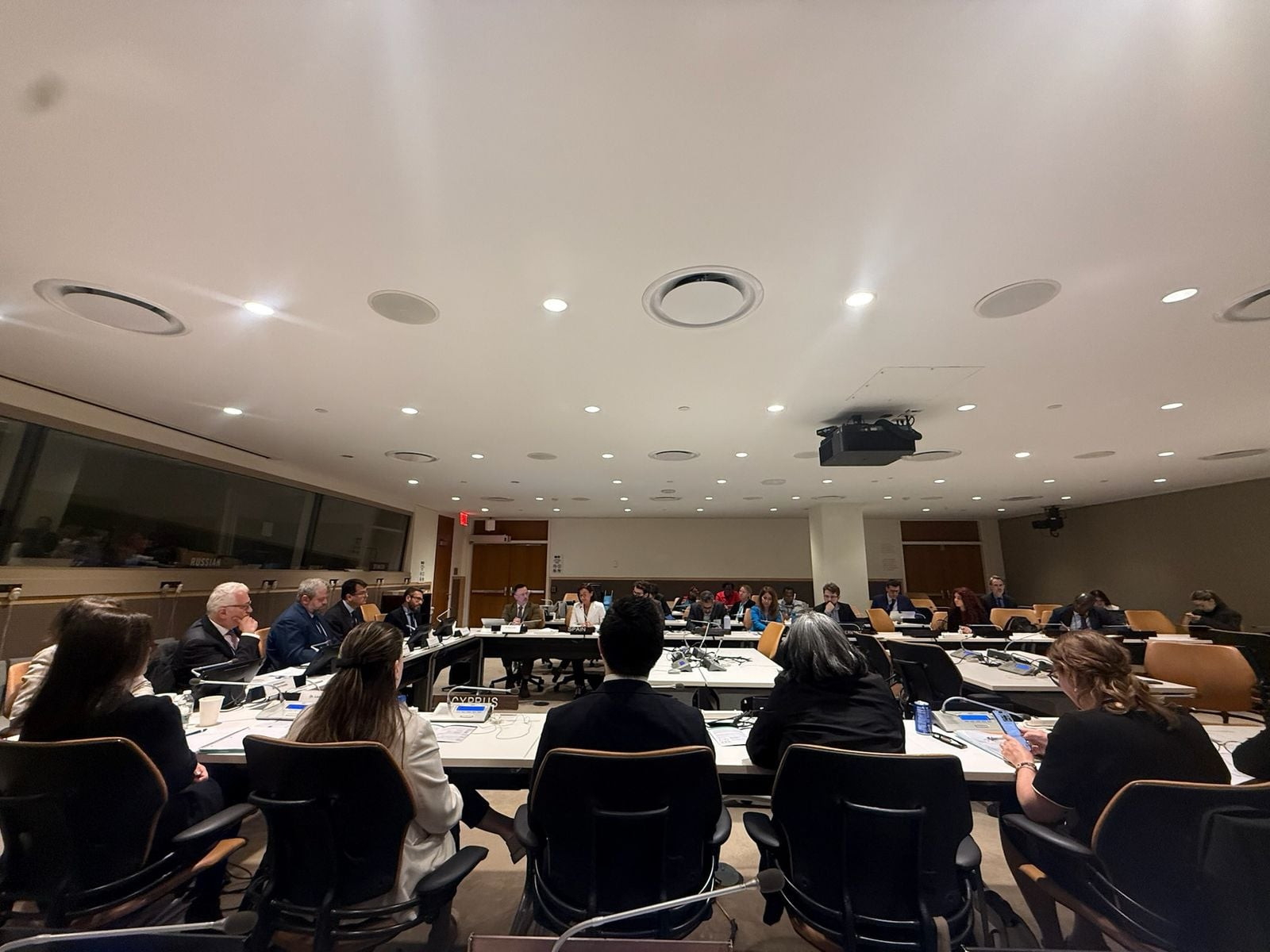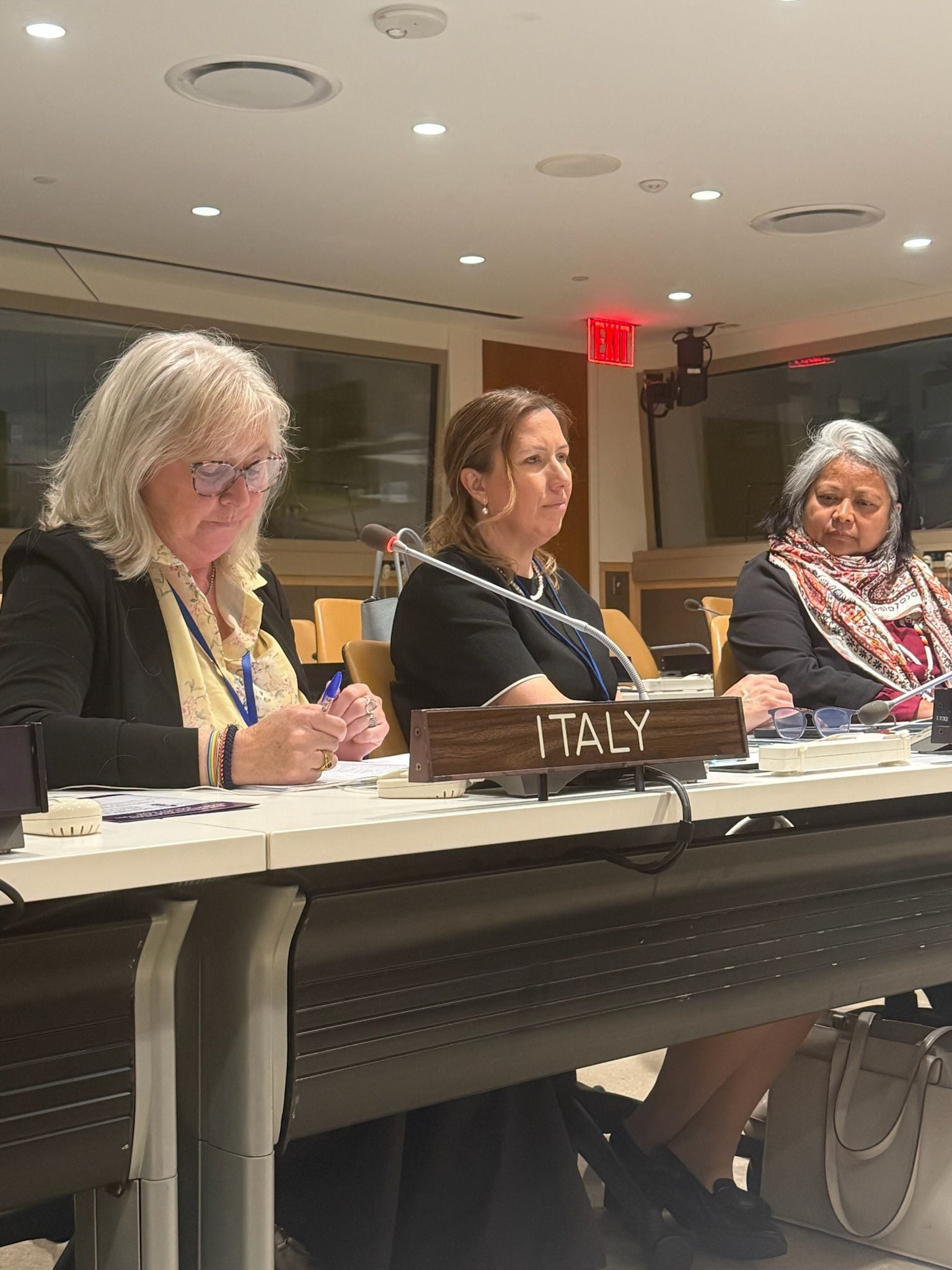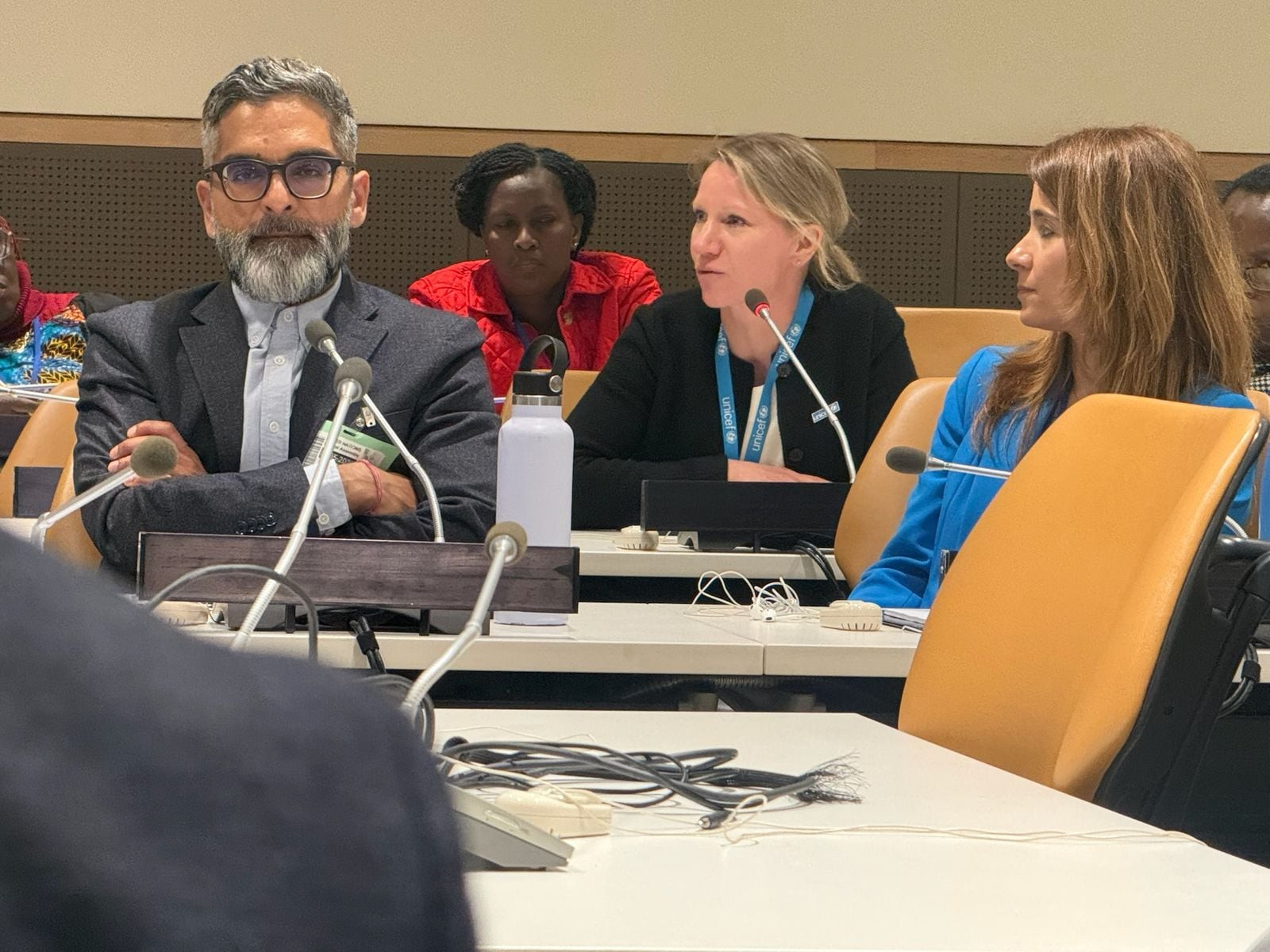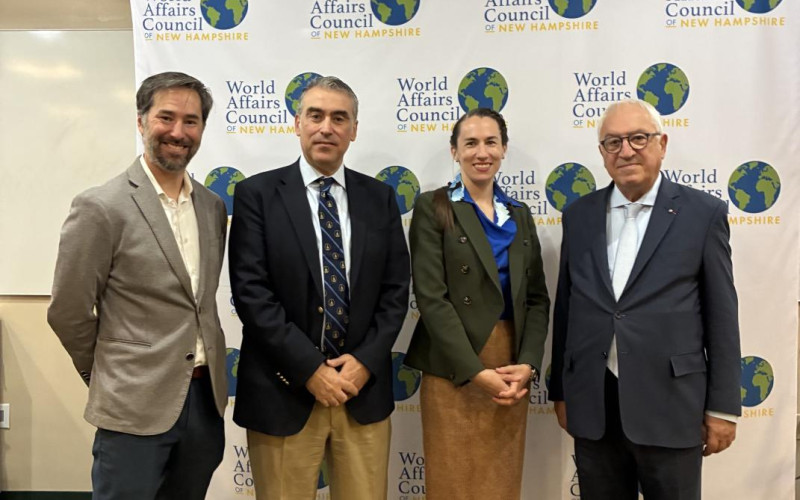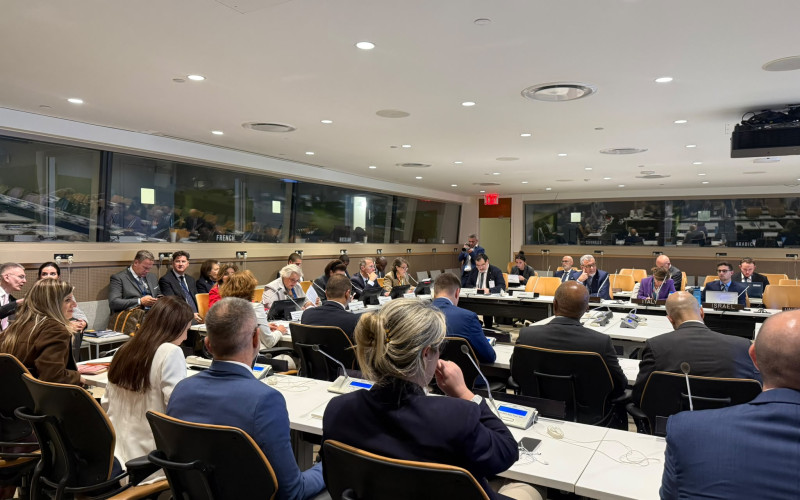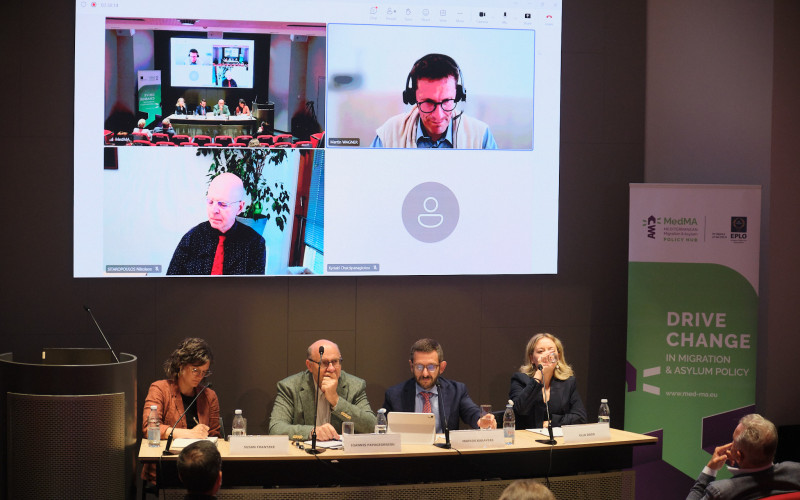
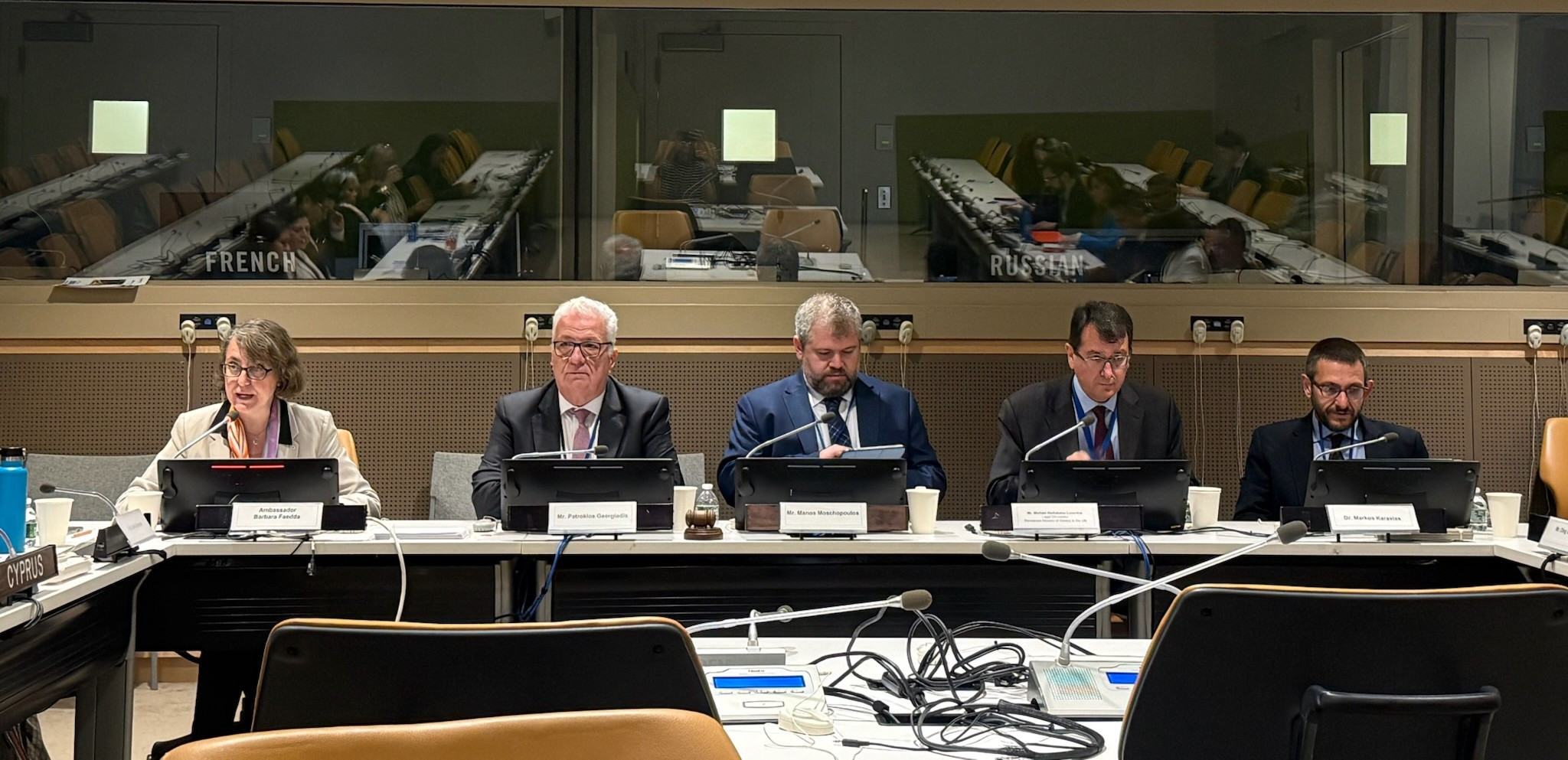
On May 8, 2026, the European Public Law Organization (EPLO), together with the Permanent Mission of Greece to the United Nations (UN), convened a side event at the Second International Migration Review Forum (IMRF) at the UN Headquarters in New York, United States. Held in Conference Room 11, the discussion brought together governments, international organisations, academics and practitioners to examine how integration policy can connect reception, language learning, skills development and labour-market inclusion into coherent pathways aligned with Objectives 5, 6, 16 and 18 of the Global Compact for Safe, Orderly and Regular Migration.
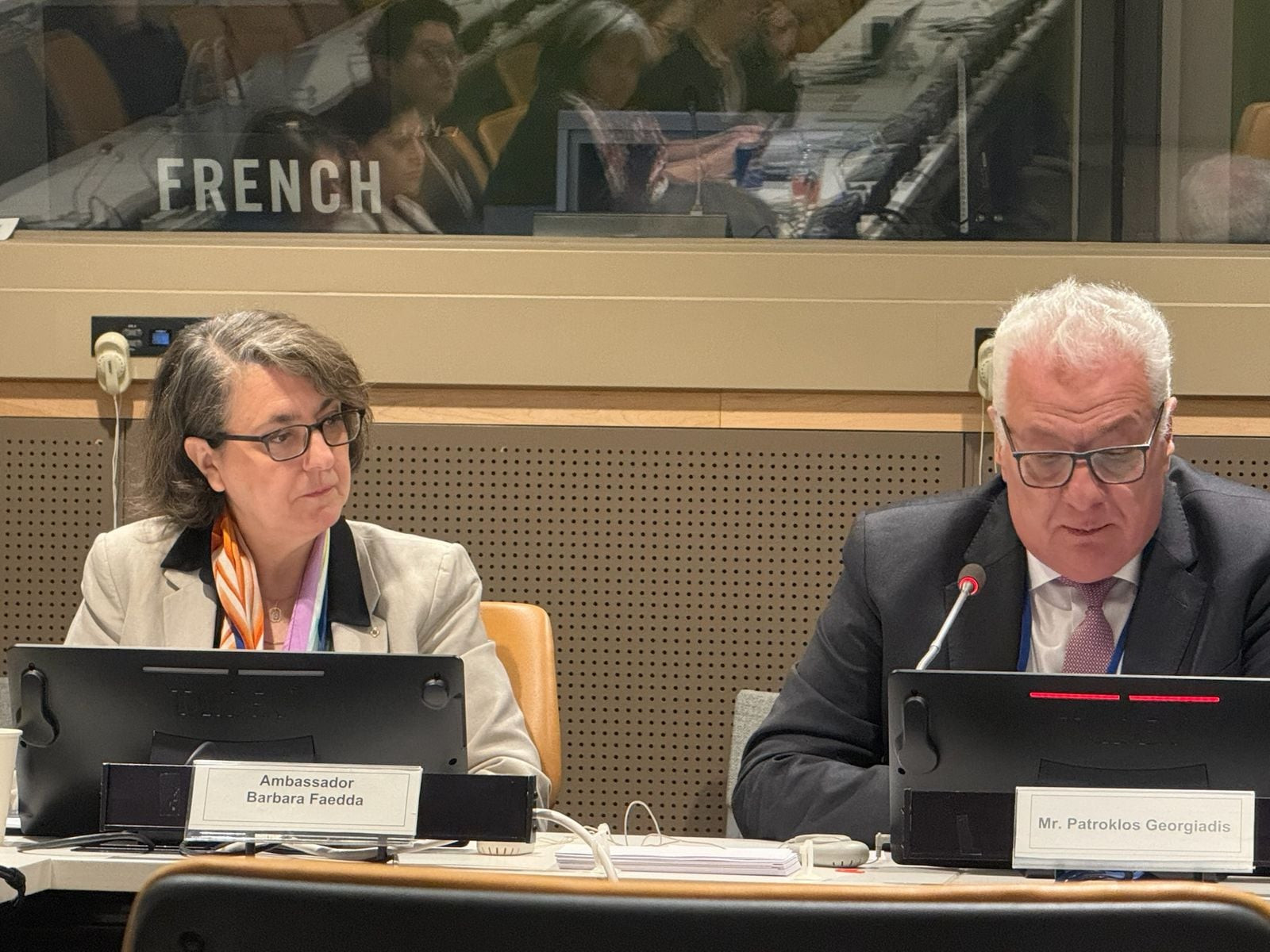
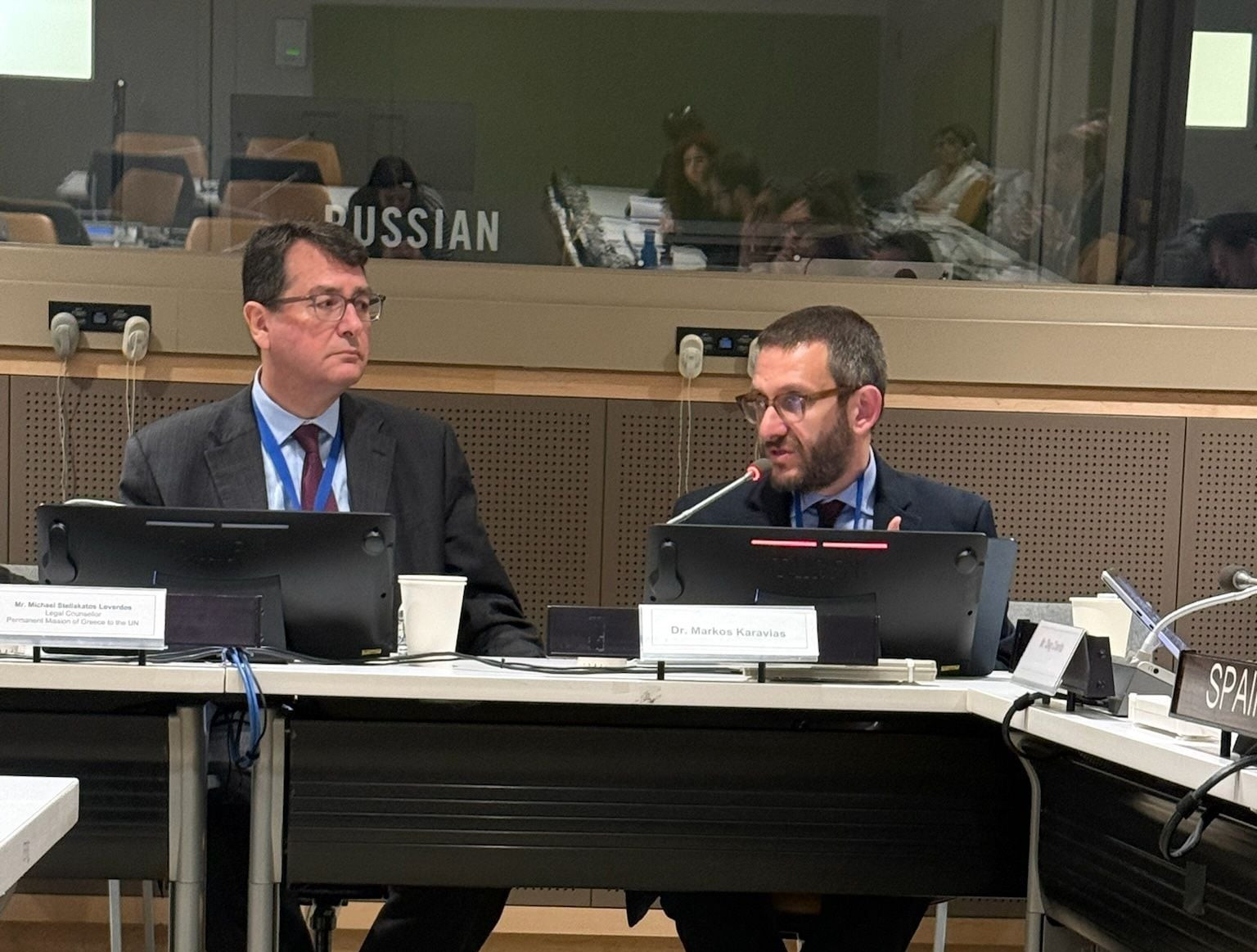
Opening the event, Ambassador Barbara Faedda, EPLO’s Permanent Observer to the UN, framed integration as a question of public law and institutional design, recalling that EPLO works at the intersection of law, institutions and practice to examine not only what frameworks provide but whether they are effectively implemented. She noted that frameworks matter only insofar as they are translated into policy, and policy only insofar as it is implemented in practice – a translation that, four years after Marrakesh, remains uneven. Dr. Michael Stellakatos Loverdos, Legal Advisor at the Permanent Mission of Greece, welcomed participants on behalf of the co-hosts and underscored the relevance of bilateral labour agreements, particularly in the agricultural sector.
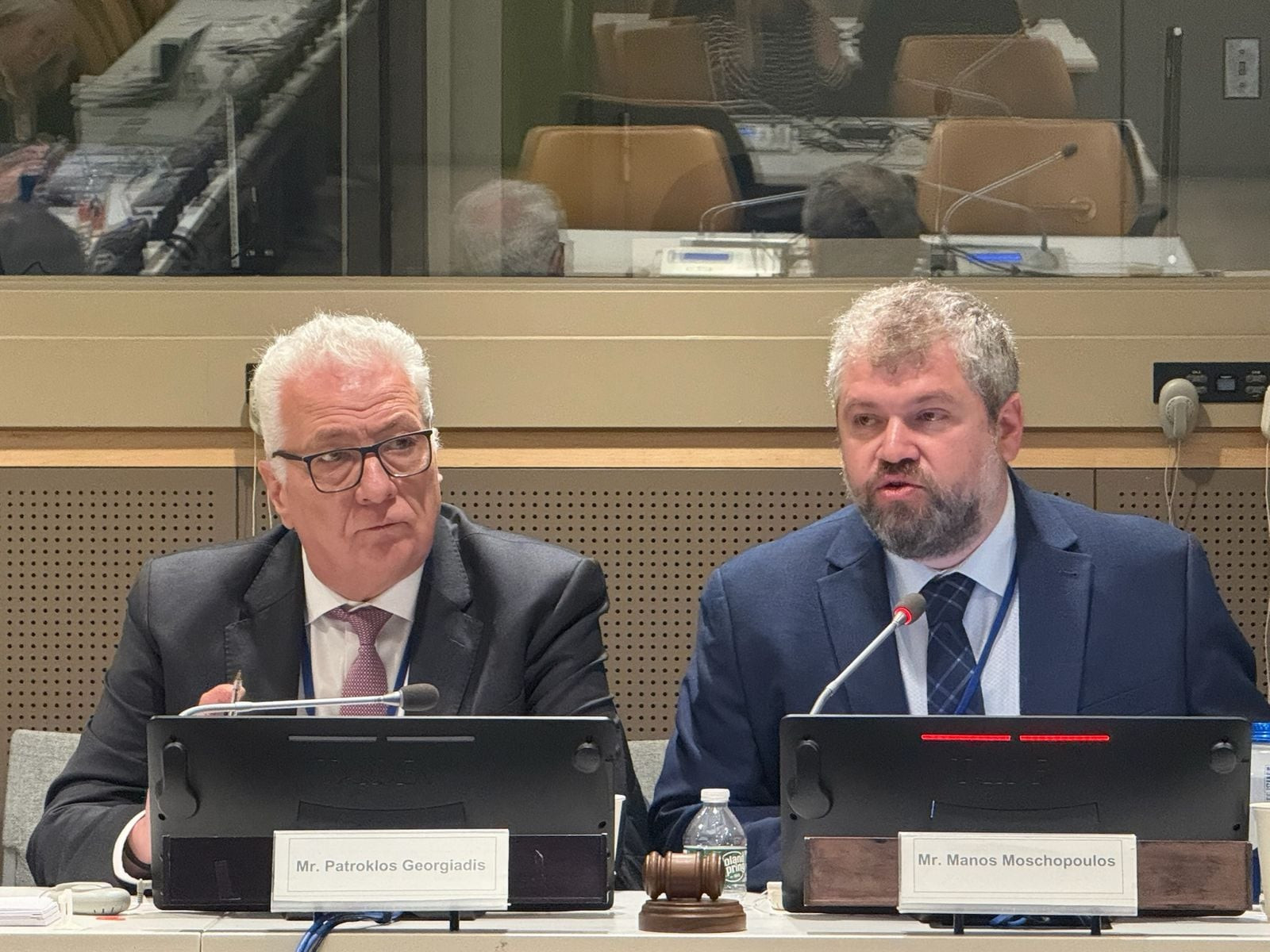
The keynote was delivered by Mr. Patroklos Georgiadis, former Secretary-General for Migration Policy of the Hellenic Republic and Senior Advisor to EPLO, who traced Greece’s transformation from a country of emigration to one navigating successive waves of arrivals since the 1990s. He described the gradual emergence of a comprehensive integration framework anchored in employability, language learning and skills acquisition, while posing searching questions about what integration genuinely requires of both newcomers and host societies.
Dr. Leah Zamore of the Zolberg Institute on Migration and Mobility at The New School identified a triple challenge – narrative, programmatic and structural – noting the persistent gap between robust pro-migration economic data and political reception, and calling attention to fiscal imbalances faced by states hosting the largest displaced populations.
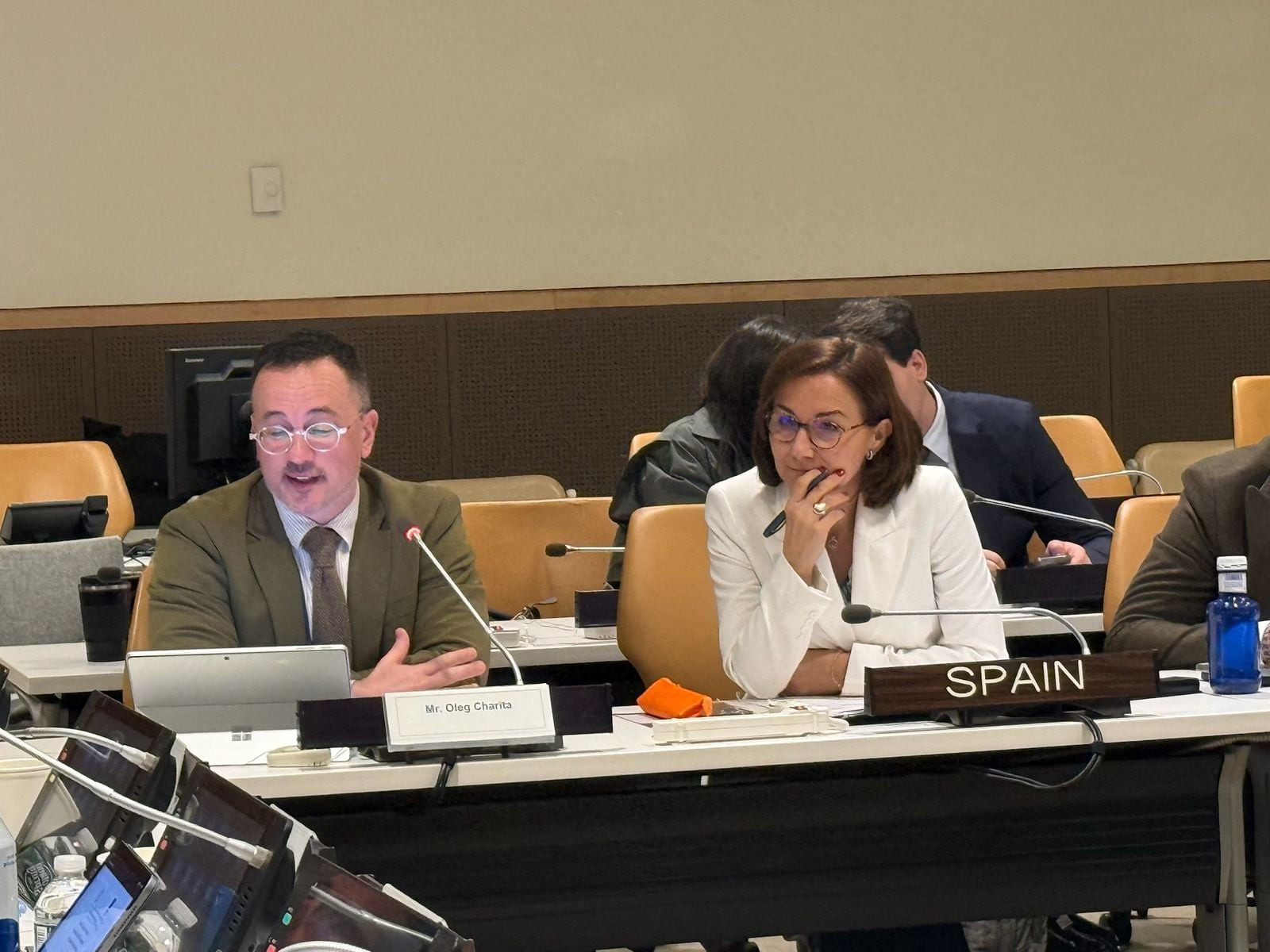
Mr. Oleg Chirita, Head of Global Initiatives at the International Centre for Migration Policy Development (ICMPD), drew on lessons from more than thirty labour migration and skills schemes, including the Digital Explorers project linking Lithuania and Nigeria and the MENTOR project between Italy, Tunisia and Morocco, stressing that training, matching, placement and integration support cannot operate as separate services.
Dr. Markos Karavias, Director of the Mediterranean Migration & Asylum Policy Hub (MedMA), examined Europe’s labour shortages and presented the 2022 Greece–Egypt seasonal work agreement as a case study, drawing on research and operational recommendations developed by MedMA in its review of the agreement’s pilot implementation. He highlighted how the National Union of Agricultural Cooperatives was entrusted with operationalising the scheme after initial implementation challenges. He argued that integration must begin before arrival rather than as a reactive response, observing:
“Labour mobility pathways are only as durable as the integration experience that sustains them. A worker who is prepared, welcomed in a dignified way, whose rights can be enforced and who is made to feel they belong – that is the worker who becomes the strongest argument for labour pathways and for making migration work.”
Dr. Maite Alguacil, Scientific Advisor in the Cabinet of the Minister of Inclusion, Social Security and Migration of Spain, shared Spain’s experience as a country of destination where foreign workers now contribute more than 14% of social security contributions. She presented Spain’s circular migration programmes – including the WAFIRA initiative for women – and emphasised that labour mobility and integration policies are two sides of the same social reality.
“If we frame migration solely as an economic tool to fill labour gaps, we risk creating policies that are short-sighted and lack a long-term perspective,” she cautioned. “Labour mobility can fully reinforce social cohesion only when it is linked to rights, decent work, access to training, regularisation, skills and active participation.”
The interactive Q&A session that followed surfaced reflections on unaccompanied minors, the role of diaspora and civil society organisations, qualification recognition, and shared Mediterranean responsibilities.
Closing the discussion, moderator Mr. Manos Moschopoulos, EPLO’s Director of Development and Senior Advisor at MedMA, observed:
“We’ve heard how social cohesion is the test of where migration policy works in real communities, and we’ve heard how grounding it in data, in rights, and in dialogue with the people most affected can make migration the kind of driver of trust and shared prosperity that we hope to achieve through the Global Compact.”