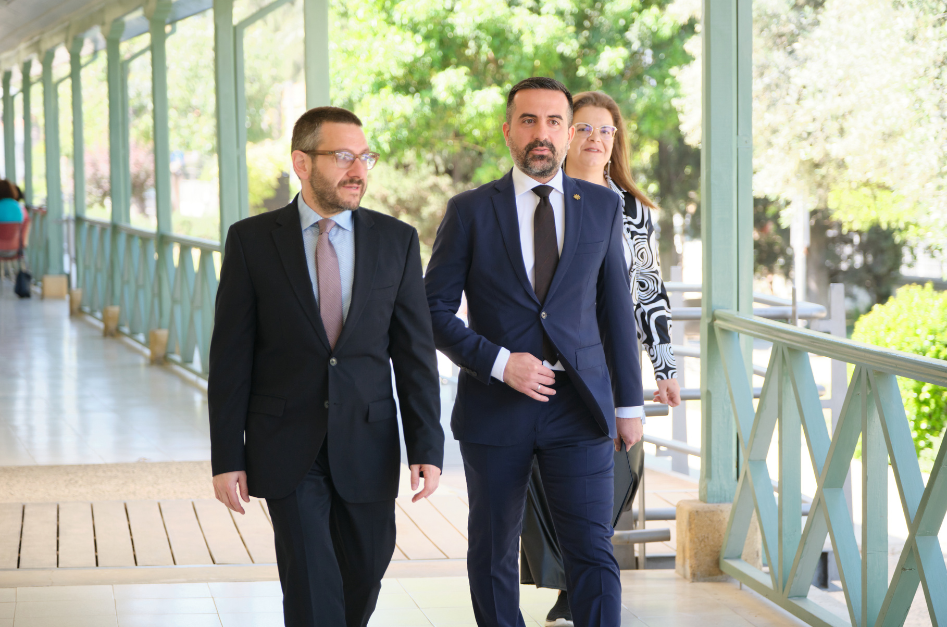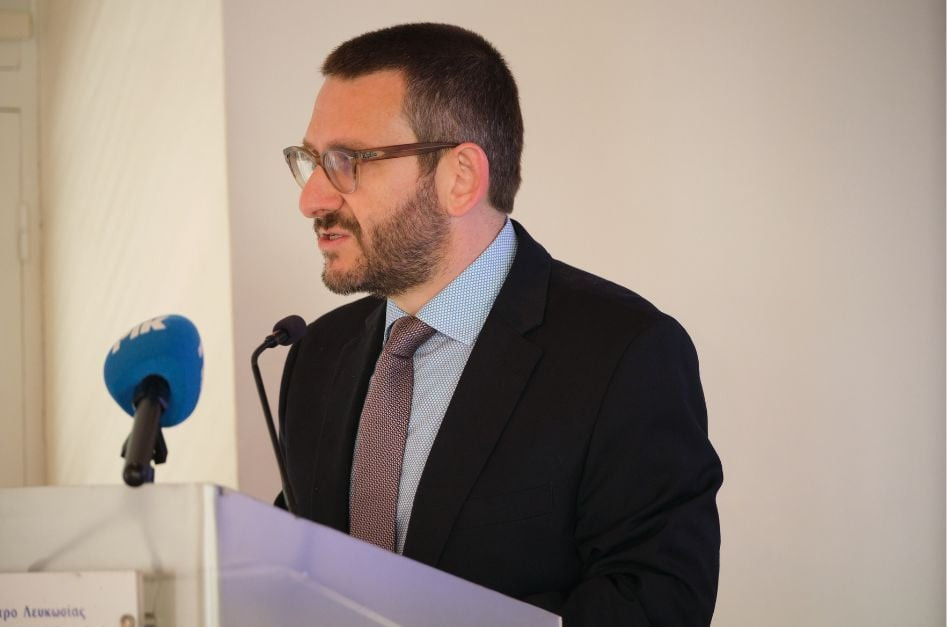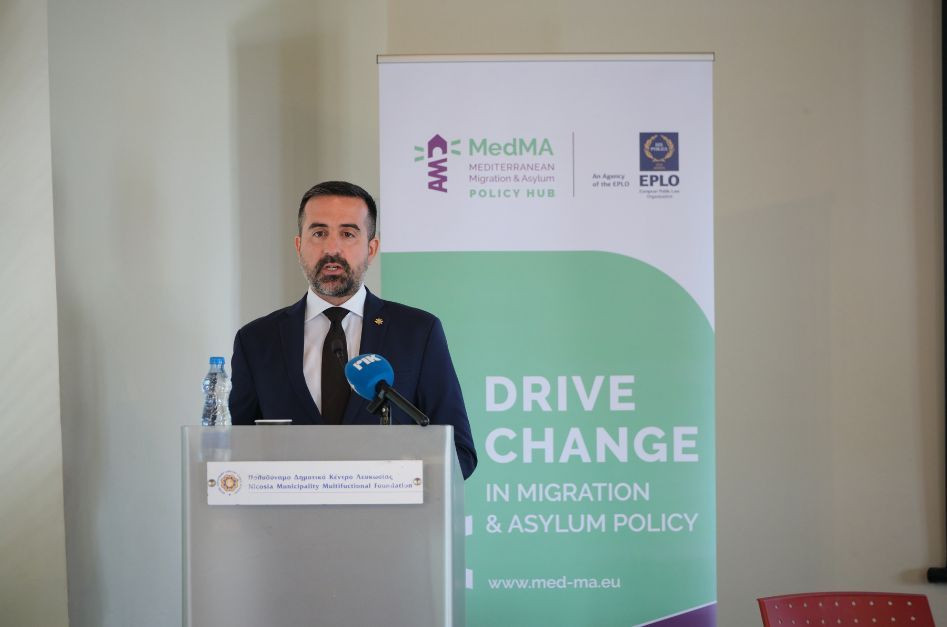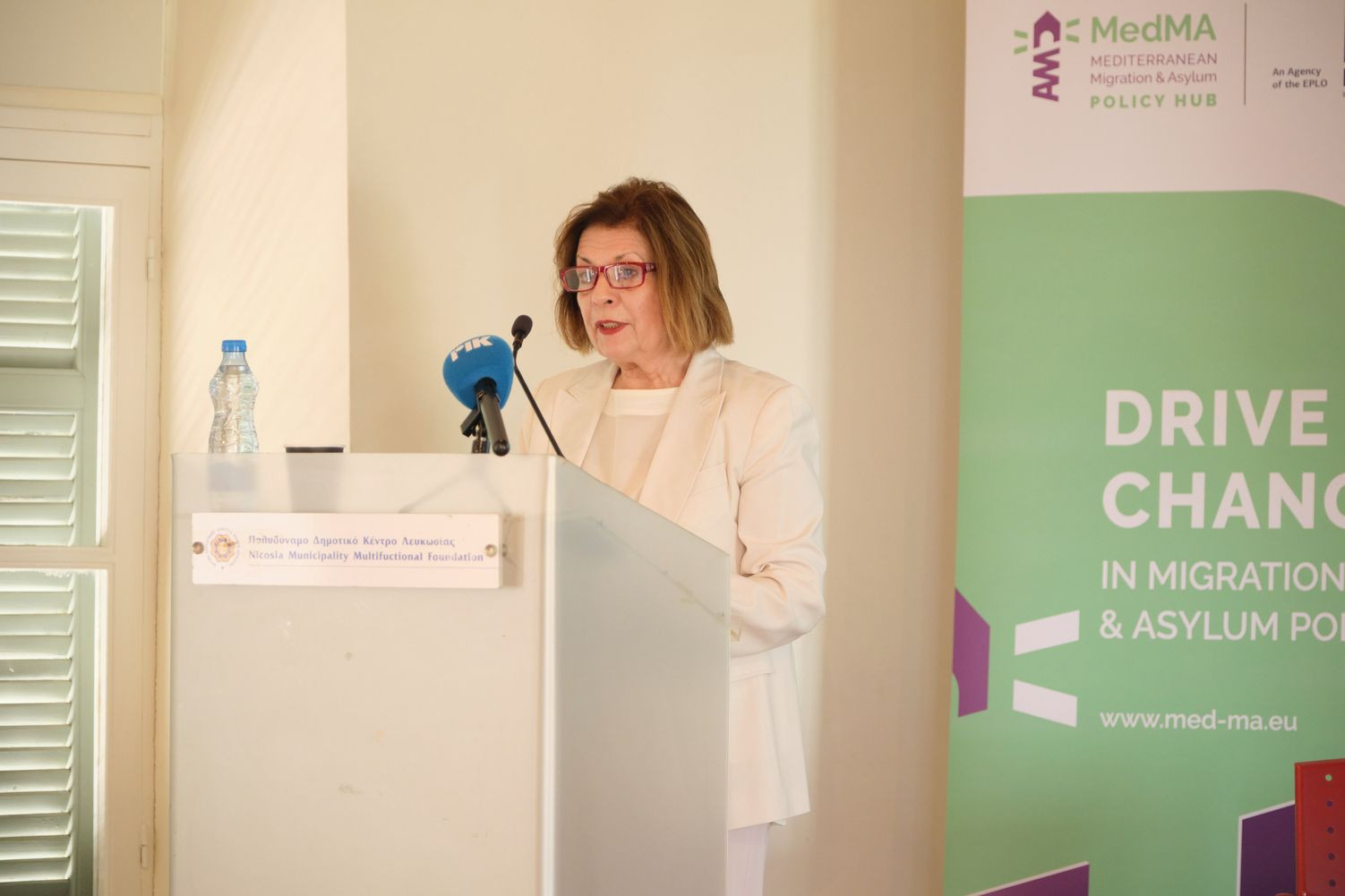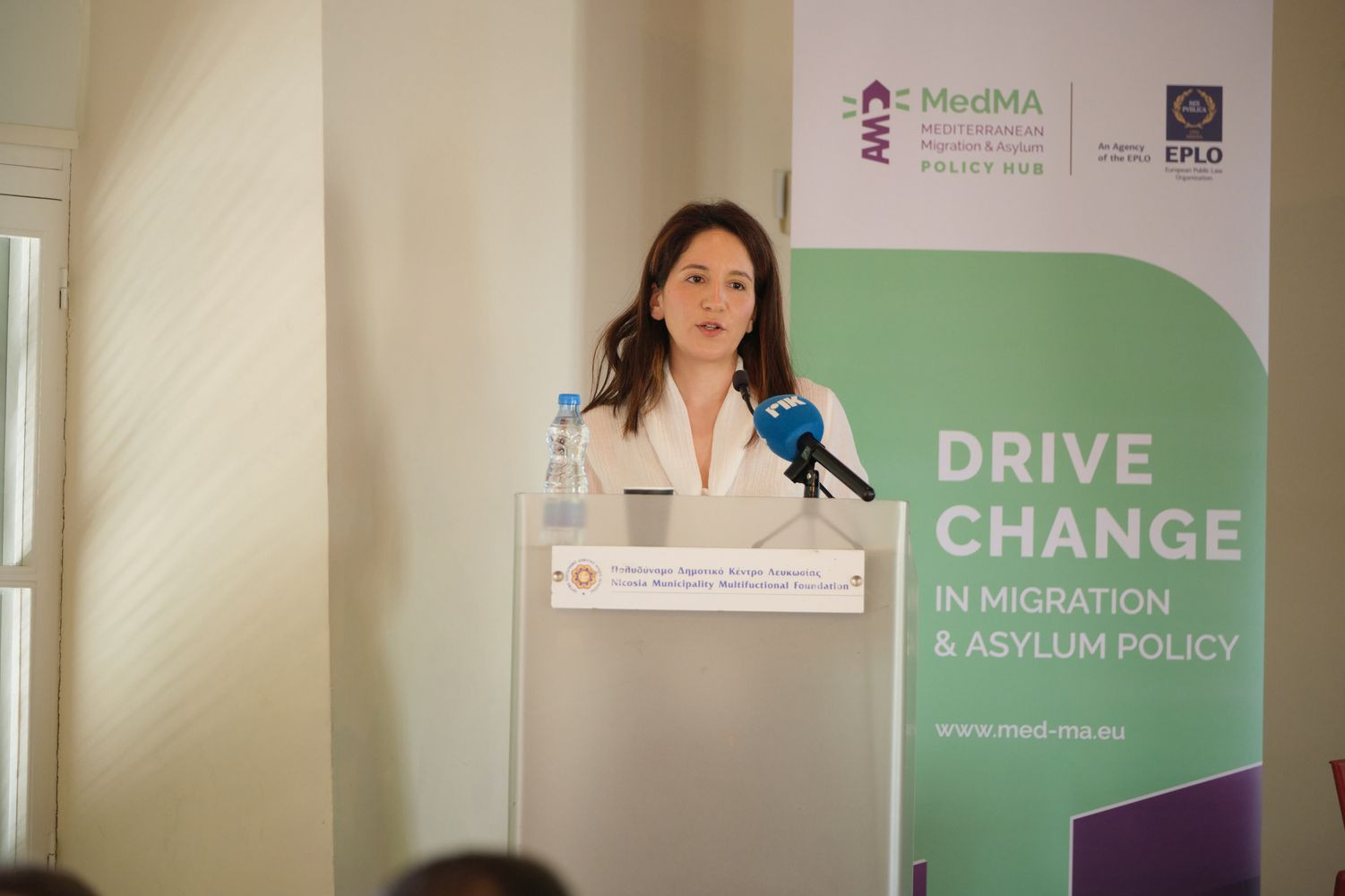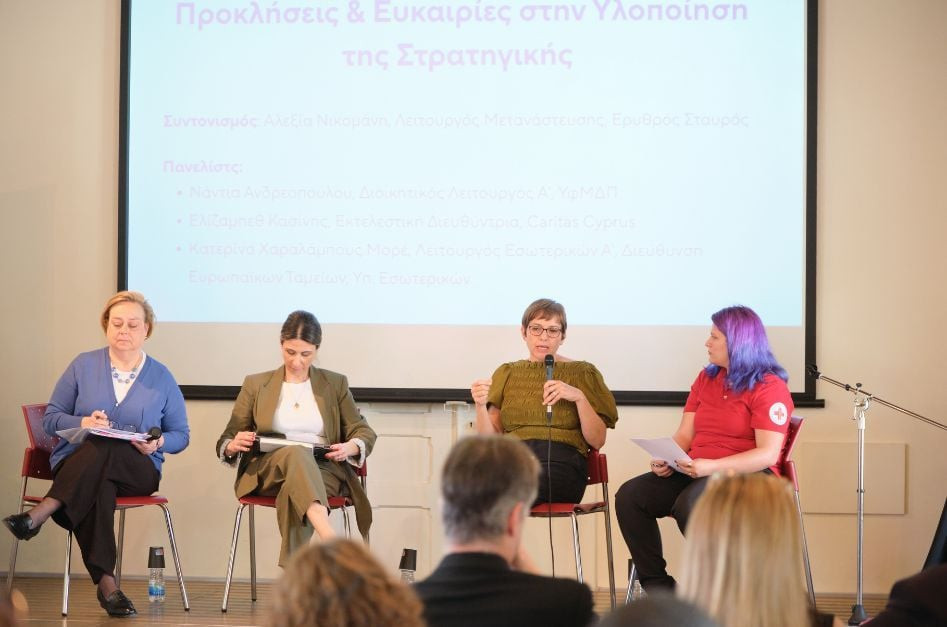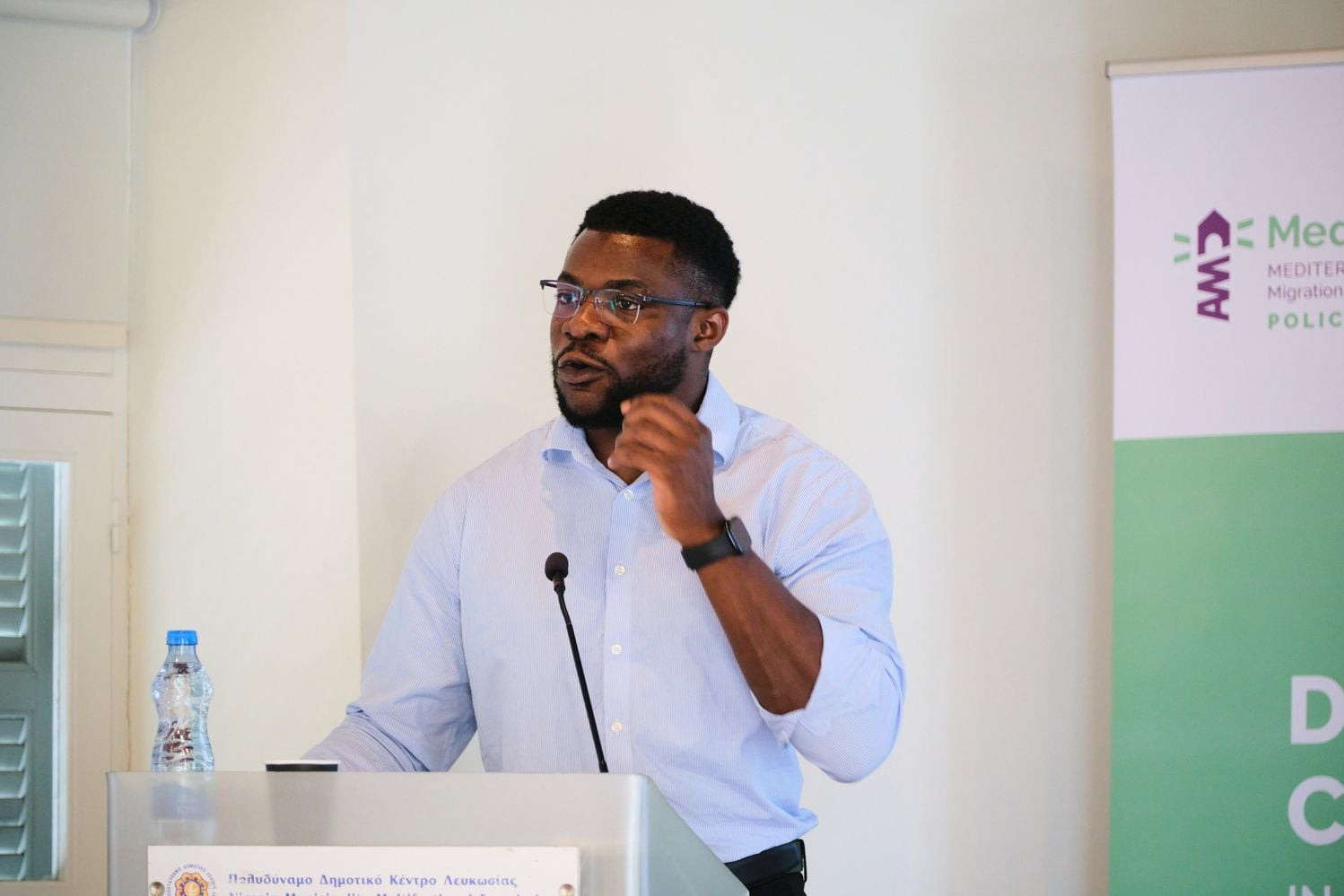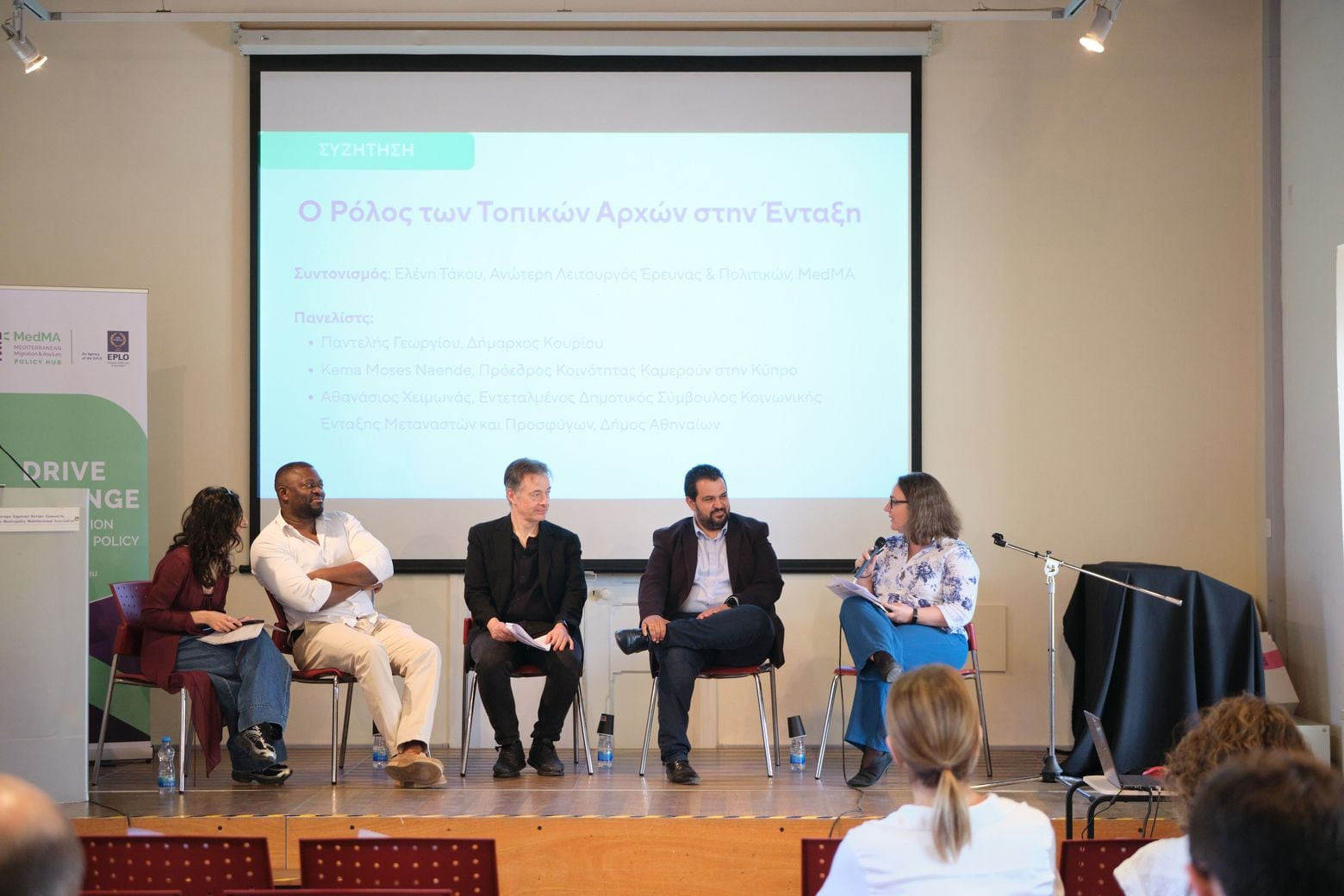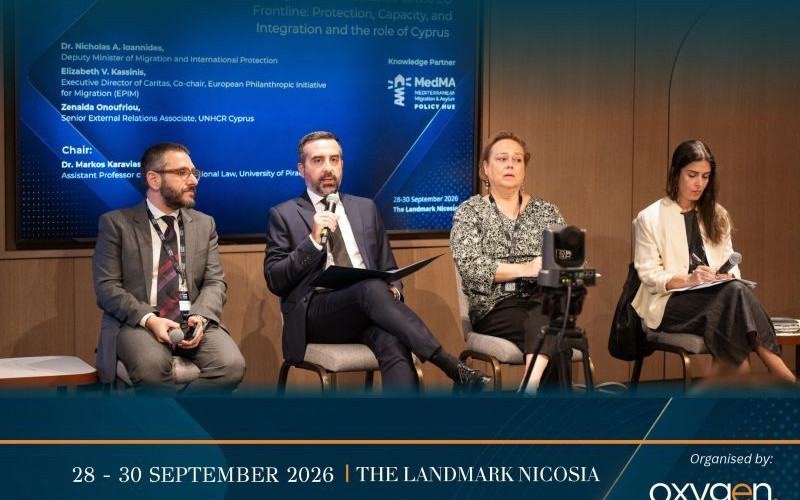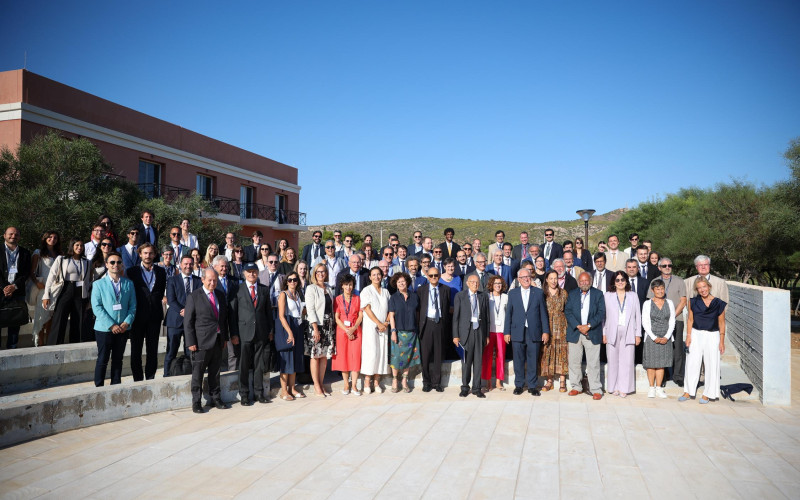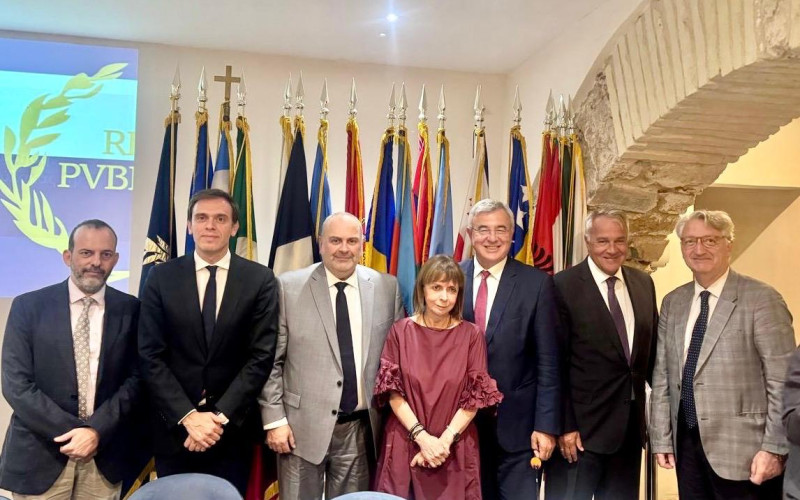
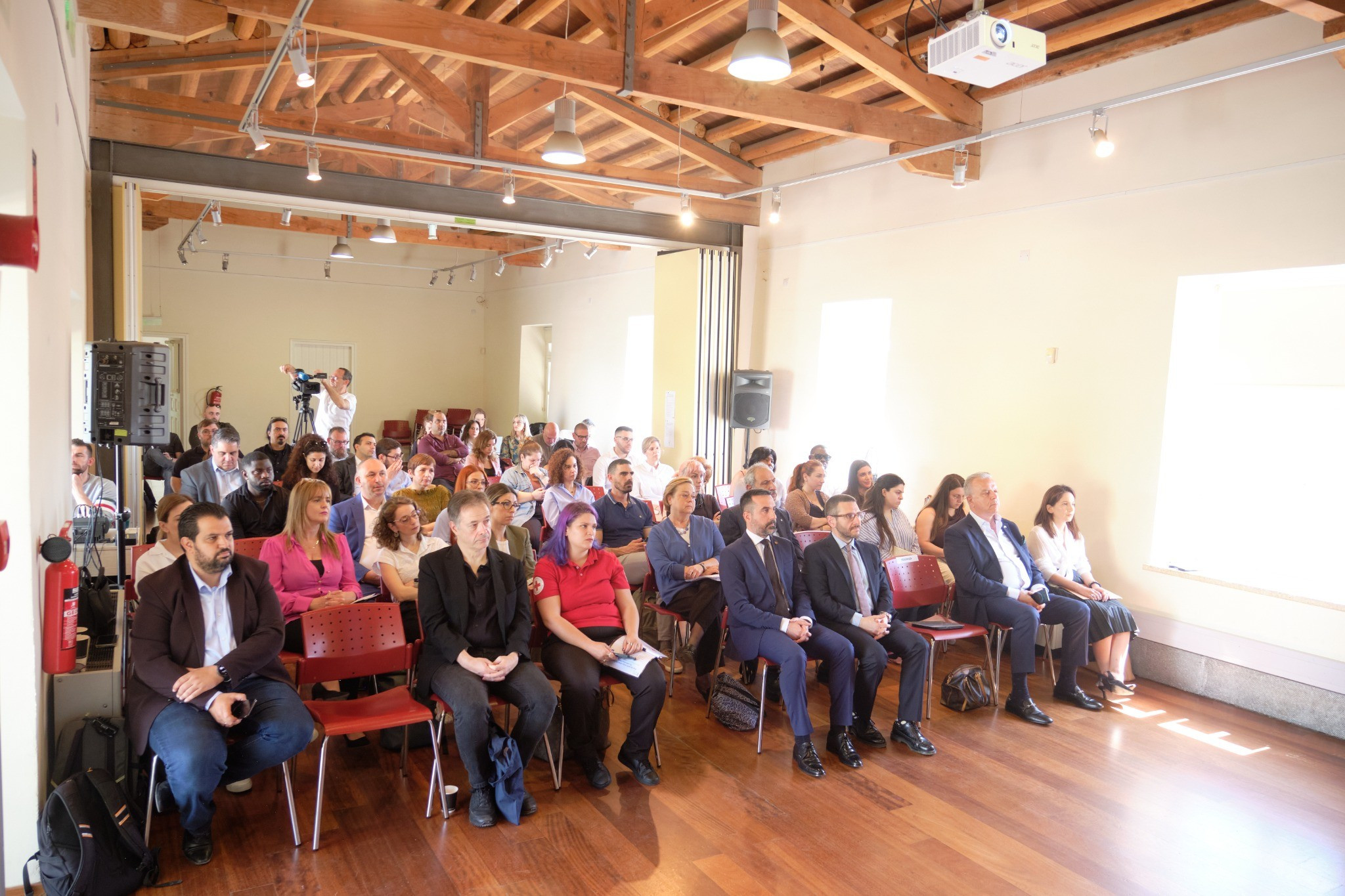
The Mediterranean Migration & Asylum Policy Hub (MedMA) successfully organised the conference entitled “National Integration Strategy for Migrants 2026–29: From Theory to Practice” in Nicosia, Cyprus, on April 30. The conference was held under the auspices of the Deputy Ministry of Migration and International Protection.
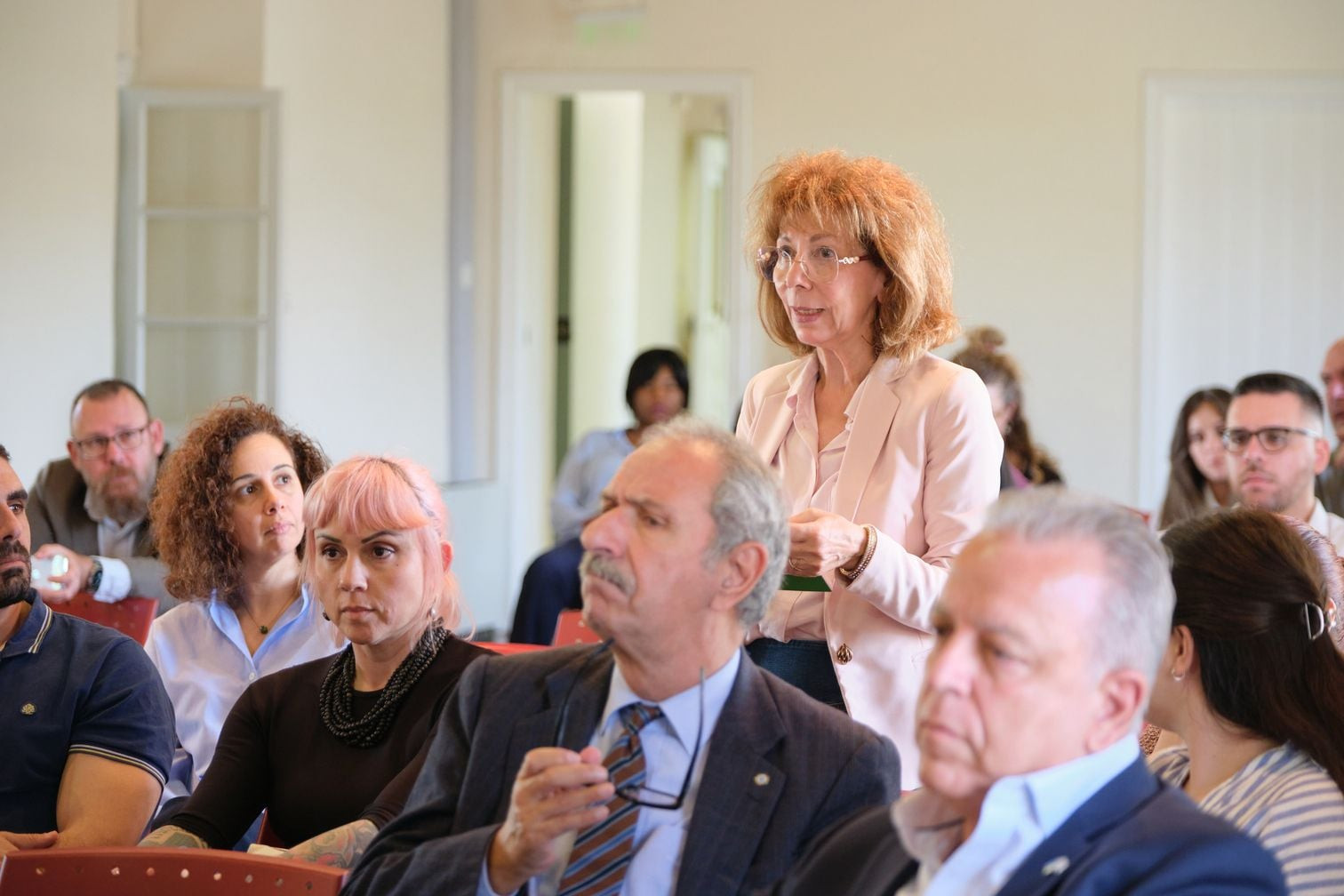
The event brought together policymakers at both executive and local levels, including representatives from municipalities and local councils, diplomatic missions, frontline practitioners, migration experts, and members of the wider public.
In his welcome address, the Deputy Minister of Migration and International Protection, Dr. Nicholas A. Ioannides, emphasised the importance of a comprehensive strategy that links integration with language acquisition, education, access to the labour market, professional skills development, active participation in local communities, and access to services, as well as awareness of civic rights and responsibilities.
Dr. Ioannides also underscored the importance of close collaboration between central government, local authorities, and civil society organisations in working towards shared objectives, while highlighting the need to remain responsive to those working on the ground.
The conference explored progress in the implementation of the strategy, anticipated challenges, and its long-term objectives. As migrant integration cuts across multiple policy areas, speakers highlighted the need for effective coordination between the Deputy Ministry of Migration and International Protection and other governmental bodies, including the Ministry of Health, the Ministry of Education, and the Social Welfare Services, among others.
To support the monitoring of the strategy’s implementation, the Deputy Ministry outlined several mechanisms to be activated, including a dedicated Secretariat, an Advisory Board, established key performance indicators (KPIs), and regular progress reports. These tools aim to ensure close monitoring, enable timely corrective measures, and strengthen accountability.
A central focus of the conference was the current and potential role of local authorities in integration efforts. As the first point of contact for newly-arrived migrants and asylum seekers, participants unanimously recognised the critical role local authorities play in advancing integration.
However, several key challenges were identified. These include the lack of sustainable funding for community and integration programmes, limited data availability to effectively map local populations and their evolving needs, and insufficient dedicated and specialised personnel to design, implement, monitor, and scale up services. While local authorities have shown varying levels of engagement with migrant communities in recent years, participatory mechanisms in decision-making and structured outreach remain underdeveloped, limiting continuous dialogue and support.
Disparities were also noted between urban and non-urban areas. Municipalities in major urban centres tend to have more established services and programmes promoting integration, whereas those outside urban areas face additional constraints. These may stem from the limited presence of civil society organisations and the lower likelihood of migrant communities being organised into informal groups or associations.
Civil society organisations highlighted the breadth of their daily work in supporting the integration of newly arrived migrants and asylum seekers. Their activities range from providing material assistance and legal support to organising educational and social initiatives, and often include mediating with public authorities to assist individuals requiring specialised support. At the same time, they face ongoing challenges, including securing stable operational funding and an overreliance on volunteers and donors. In this context, civil society actors called for a more active role for local authorities, stronger collaboration with local government, and more inclusive, participatory decision-making processes.
Migrant-led grassroots organisations further emphasised the importance of appointing dedicated integration officers within local authorities and holding regular consultations with civil society and migrant-led groups. Such measures would support more participatory policy design and decision-making at the local level.
In addition to the good practices on integration presented by local authorities and civil society in Cyprus, the conference also hosted representatives from Greece, who shared pioneering initiatives in social housing led by the Major Development Agency of Thessaloniki, as well as the work of the Athens Coordination Center for Migration & Refugee Issues (ACCMR), an integration network operating within the Municipality of Athens.
This exchange – particularly on the issue of housing – serves as a foundation for future collaboration with Mediterranean partners. It creates momentum for building partnerships and exploring how similar housing initiatives can be adapted and implemented in the Cypriot context.
MedMA is currently developing a Policy Note that will outline the key challenges, good practices, and recommendations emerging from the conference. The aim is to provide clear, actionable steps that can be adopted by relevant stakeholders at both the local governance level and within the Deputy Ministry.
For more information about this event and the Agency's work, please visit MedMA's website